BI
Burundi
Africa's hidden lakeside heart
Africa's hidden lakeside heart

The world’s second deepest and second largest lake by volume — 673km long, staggeringly clear, with tropical fish found nowhere else on earth. The Burundian shoreline at Bujumbura has sandy beaches, boat trips and excellent snorkelling in the shallows.

The largest tract of montane rainforest in the Great Lakes region — a mist-wrapped highland park on the Congo-Nile divide with chimpanzees, colobus monkeys and over 600 plant species. Virtually tourist-free.
A small but dense riverside park at the mouth of the Rusizi River where it enters Lake Tanganyika — home to hippos, crocodiles, pelicans and a range of waterbirds that can be seen on guided boat trips.

Burundi’s official capital and cultural heart — the National Museum of Gitega houses royal drums (inyahura), royal regalia and ethnographic collections that explain the country’s precolonial kingdom history.
The royal drums of Burundi are UNESCO intangible heritage and this hilltop site is their spiritual home — enormous ancient drums once beaten only for the Burundian king, surrounded by sacred fig trees.

The economic capital and largest city — a lively lakefront city with restaurants, the colourful Central Market (Marché Central), the lively Asiatic Quarter and extraordinary sunsets over the Congo range across the lake.
Burundi (Wikipedia) →The Burundian staple — firm white maize porridge served alongside isombe, a slow-cooked stew of cassava leaves with peanut paste and dried fish. The cassava leaf stew has a deep green colour and earthy complexity found throughout the Great Lakes.
Goat meat skewers grilled over charcoal at roadside stands and restaurants throughout Burundi — seasoned with salt and local spices, eaten with fried plantain and a cold Primus. The national street food.
A small endemic cichlid fish unique to Lake Tanganyika — lightly salted and sun-dried or fresh-grilled, with a delicate sweet flavour unlike any other freshwater fish. Found only at Bujumbura’s lakeside restaurants.
Burundi’s national lager, brewed in Bujumbura since 1955 — cold Primus is the social drink of the country, shared at every gathering from lakeside bars to roadside stands. Named after a Belgian brewing brand.
Slightly sweet East African fried dough — eaten for breakfast with milky chai tea throughout Burundi and the Great Lakes region. Sold from large frying pans at every morning market.
Traditional Burundian sorghum beer — brewed and fermented from roasted sorghum grain. Shared from a communal pot using long straws at family ceremonies and festivals; a deeply cultural drink central to Burundian social life.
Melchior Ndadaye International Airport (BJM) in Bujumbura is the gateway. Ethiopian Airlines, Kenya Airways and RwandAir serve the main routes. For trip planning, see the official Burundi tourism portal.
💡 Nairobi (1h30), Kigali (45 min) and Addis Ababa (2h30) are the most practical connections. Kigali is the closest hub and is the most common approach for Rwanda-Burundi combined itineraries.
💡 All European routes connect through Nairobi or Addis Ababa. Combining Burundi with Rwanda (45 min by air) is the most natural East Africa itinerary.
💡 Bujumbura is 10 minutes from the airport by taxi. Rusizi National Park (20 min) and Gitega (2h) are the most accessible day trips; Kibira and Ruvubu require a full-day or overnight excursion.
💡 Bujumbura is navigated by minibus and motorbike taxi. National park visits require a 4WD; most hotels can arrange a driver-guide for day trips.
June to August is the long dry season — the most comfortable period for hiking and wildlife (20–27°C in Bujumbura; cooler in the highlands). December to January is a short dry season. March to May and September to November are the wet seasons.
The Burundian franc (BIF) is the currency. Extremely affordable.
Mukeke (Lake Tanganyika cichlid fish — the endemic freshwater fish of Lake Tanganyika, fished daily by Burundian fishermen from the lake, the primary protein source for Bujumbura, available grilled with plantain and cassava at)
The Gitega Tambourinaires (the royal drummers of Burundi — performing the traditional karyenda drum ceremony on the giant royal drums, the most stirring and impressive musical performance in Central Africa — perform for)
The Luvironza Nile source trek (the 4–6 hour hike to the springs at the base of Mount Kikizi in Bururi province — identified by geographers as the most distant headwater of the Nile system, 6,650km from the Mediterranean)
Bujumbura for one day, Lake Tanganyika for one, Kibira National Park for one, Rusizi hippos for one, Gitega drums for one, Ruvubu National Park for one, Lake Tanganyika snorkelling for one. Burundi — the most densely populated country in sub-Saharan Africa — sits on the shore of the world’s second deepest lake, has 350 endemic fish species, the sacred royal drumming tradition and a credible claim to being the source of the Nile.
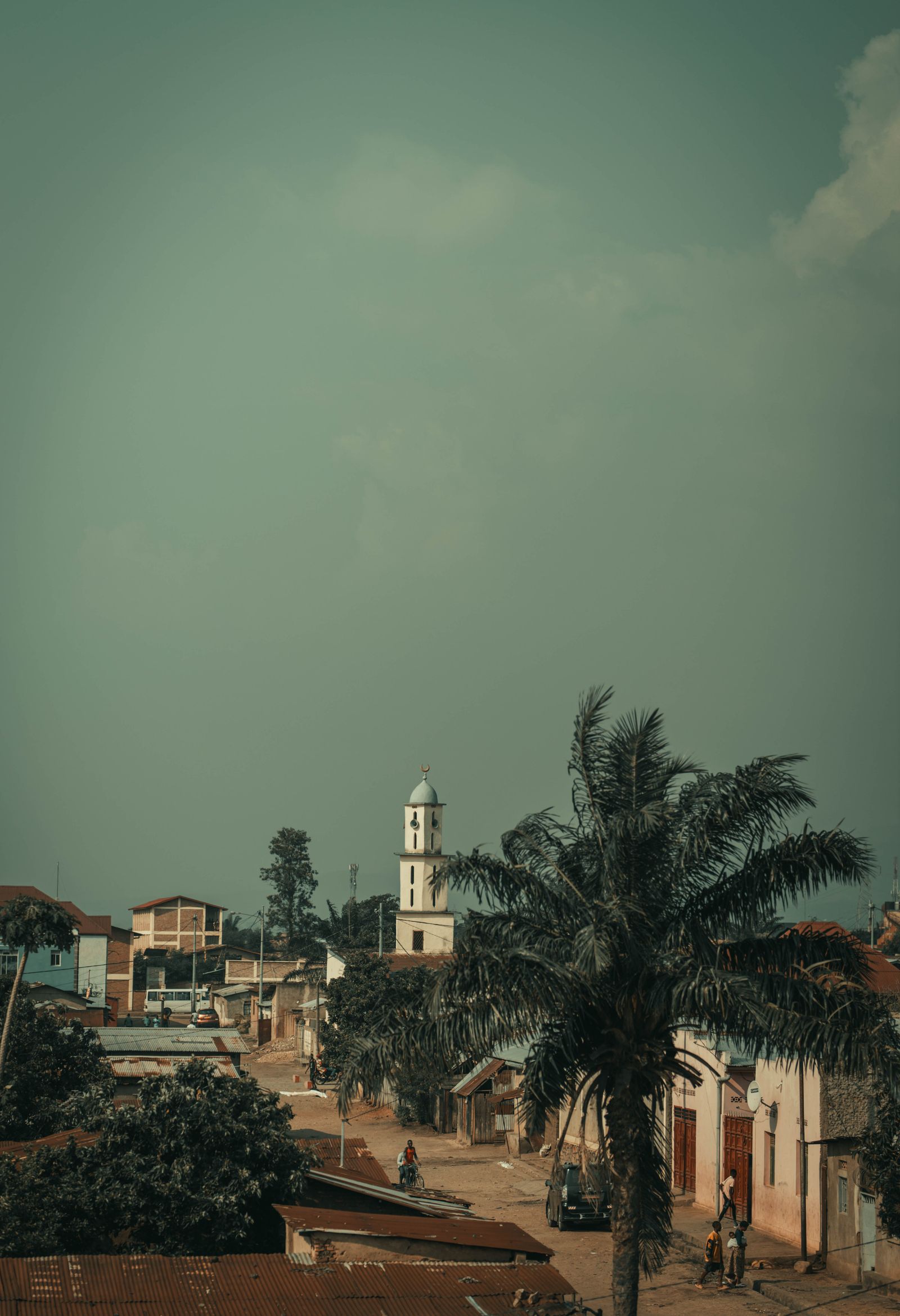
Bujumbura — the former capital of Burundi (a landlocked country of 27,830km² on the shore of Lake Tanganyika — the second deepest lake in the world — population 12 million, the most densely populated country in Africa south of the Sahara, with a history marked by recurring ethnic violence between Hutu and Tutsi communities, the most recent crisis being 2015–2018 when President Nkurunziza’s contested third term triggered protests, a coup attempt and the emigration of 400,000 people) — with the Livingstone-Stanley Monument and the Lake Tanganyika shore.
💡 Burundi is often overshadowed by Rwanda in discussions of Great Lakes African history, but the Burundian genocide (1972 — in which 100,000–300,000 Hutu were killed by the Tutsi-dominated army in response to a Hutu uprising, the first documented genocide in post-colonial Africa) preceded the Rwandan genocide (1994) by 22 years and has received far less international attention. The 1993 assassination of Burundi’s first democratically elected Hutu president, Melchior Ndadaye, triggered the subsequent cycles of violence.
Lake Tanganyika (the second deepest lake in the world at 1,470m — the longest freshwater lake in the world at 673km, shared between Burundi, the DRC, Tanzania and Zambia — containing the most diverse cichlid fish community in any lake on earth: 350+ endemic fish species, the most extraordinary freshwater ichthyological diversity in Africa, with the crystal-clear water and extraordinary snorkelling accessible from the Bujumbura beaches of the Saga beach strip).
💡 Lake Tanganyika’s cichlid diversity (350+ endemic fish species found only in the lake — having evolved from a small ancestor population over 10 million years of isolation in the rift lake — represents the most spectacular example of adaptive radiation in African freshwater fish. The cichlids of Lake Tanganyika (along with Lake Malawi and Lake Victoria) are the primary model for evolutionary biology’s understanding of speciation and adaptive radiation.
Kibira National Park (40,000 hectares of montane rainforest in northwestern Burundi — the largest intact forest in Burundi and the most important watershed for the country’s rivers, with chimpanzees (Pan troglodytes schweinfurthii — the eastern subspecies), colobus monkeys, olive baboons, sitatunga and the extraordinary montane bird diversity of the Albertine Rift — accessible by 4WD from Bujumbura with a local guide).
💡 Kibira National Park (established 1980 as Burundi’s most important protected area) has suffered from encroachment, charcoal production and refugee disturbance during Burundi’s periods of conflict. Despite this, the park retains one of the most intact chimpanzee habitats in the Great Lakes region and is the primary source of clean water for northwestern Burundi through its role as a watershed catchment for the Kagera, Ruvubu and other rivers that feed Lake Victoria.
Rusizi National Park (the delta where the Rusizi River enters Lake Tanganyika — a wetland of papyrus swamps, gallery forest and open water with the largest concentration of hippopotamuses and Nile crocodiles accessible in Burundi, along with the sitatunga and the extraordinary birdlife of the papyrus delta including the papyrus gonolek and the white-winged warbler) and a boat safari through the delta channels.
💡 Rusizi National Park (covering the Rusizi River delta — one of the most important freshwater wetlands in the Great Lakes region, fed by the Rusizi River’s flow from Lake Kivu) contains the most accessible large wildlife in Burundi: the hippopotamus pool at the Rusizi bridge is one of the most reliably productive hippo viewing sites in Central Africa, with 50+ animals visible from the road in the morning.
Gitega (the geographic and administrative capital of Burundi since 2019 — when President Nkurunziza moved the capital from Bujumbura to the highland centre — with the National Museum of Burundi (the finest collection of Burundian royal drums, traditional crafts and history), the Royal Palace museum of Muramvya and the drumming traditions of the Ruyigi region, the intore dance of the Burundian royal court and the extraordinary highland scenery of central Burundi).
💡 Burundian royal drumming (the sacred drum (karyenda) tradition of the Burundian kingdom — the ritual drums were the symbols of royal authority, kept at the royal residence and played at state ceremonies, the drummers themselves a hereditary caste — is the most culturally significant music in Burundian heritage. The Gitega Drummers (Tambourinaires du Burundi) have performed at UNESCO events and international festivals; the tradition is inscribed on the UNESCO Intangible Cultural Heritage list.
Ruvubu National Park (50,800 hectares along the Ruvubu River in eastern Burundi — the largest national park in Burundi, with the most intact savanna landscape, buffalos, hippos, crocodiles and baboons along the river, and the extraordinary claim that the Ruvubu River is the most distant source of the Nile — the Luvironza tributary of the Ruvubu, in the mountains of Bururi province, being identified by some geographers as the ultimate source of the world’s longest river).
💡 The source of the Nile (the most distant headwater of the Nile River system — from Lake Victoria the Nile flows north for 6,650km to the Mediterranean, but Lake Victoria is itself fed by rivers, and the most distant of these tributaries is the Kagera, which is fed by the Ruvubu, which receives the Luvironza from the highlands of Bururi province in southern Burundi — making Burundi the hydrological source of the Nile, though this is debated by geographers who define the source differently).
A final day on Lake Tanganyika: snorkelling the reef (the lake’s rocky shores support endemic cichlids in extraordinary density, visible through the crystal-clear water from the surface — the only snorkelling experience in the world where every fish seen is found nowhere else on earth) and a sunset from the Bujumbura waterfront — the mountains of the DRC visible across the lake, the hippos surfacing in the evening, before flying from Bujumbura (BJM).
💡 Lake Tanganyika snorkelling (the rocky reef communities of the lake — particularly the areas around Bujumbura and Resha beach — where 50+ species of endemic cichlid feed, breed and display in the transparent water of the world’s second-deepest lake, visible without diving equipment from the surface) is one of the most remarkable and affordable wildlife experiences in Central Africa, costing almost nothing beyond the bus to the beach.
Most international flights land at Bujumbura International Airport (BJM), 11km from the city centre. Ethiopian Airlines connects Bujumbura to Addis Ababa with onward connections worldwide.
Most visitors need a visa; single-entry 30-day visas are available on arrival at Bujumbura airport for many nationalities but verify this in advance as policy changes. E-visa applications are available online.
English is rarely spoken outside international hotels. Kirundi greetings (Amahoro = peace) are warmly received. French is the language of business, government and most educated Burundians.
Burundi has experienced political instability; most travellers visit safely but the situation requires monitoring. Register with your embassy and keep a low profile regarding political discussions.
Malaria is present year-round at lower altitudes including Bujumbura and the Lake Tanganyika shore. Consult a travel clinic before departure and carry DEET-based repellent.
The Burundian franc (BIF) is used for all daily transactions. Bring USD or EUR to exchange in banks or licensed bureaux in Bujumbura; ATMs are limited and often out of service.
Excellent offline maps — download the country map before you go for navigation without data.
FreePoint your camera at menus, signs or street text for instant translation. Download the language pack offline before you arrive.
FreeReal-time and offline exchange rates — converts prices instantly so you always know what you are paying in your home currency.
FreeFind and book hotels, guesthouses and apartments with free cancellation on most rates — one of the widest selections of accommodation worldwide.
FreeBrowse millions of traveller reviews for restaurants, attractions and hotels — helps identify the best local spots and avoid tourist traps.
FreeThe most widely used messaging app worldwide — used heavily for bookings, tour operators and local contact throughout most of the world.
FreeBurundi sits at the heart of East Africa on the shores of Lake Tanganyika, surrounded by Rwanda, Tanzania, Uganda, Kenya and Zambia — each offering a distinct character and landscape.