ET
Axum
Ancient empire and the Ark of the Covenant
Ancient empire and the Ark of the Covenant
⚠️ Travel advisory: check before you go
Governments advise against travel to parts of Ethiopia, including areas of Amhara, Tigray and regions near the borders, because of armed conflict and unrest. Check the latest advice for your route, especially for Lalibela and Gondar.
Latest official advice: UK FCDO · US State Department · Reviewed September 2026
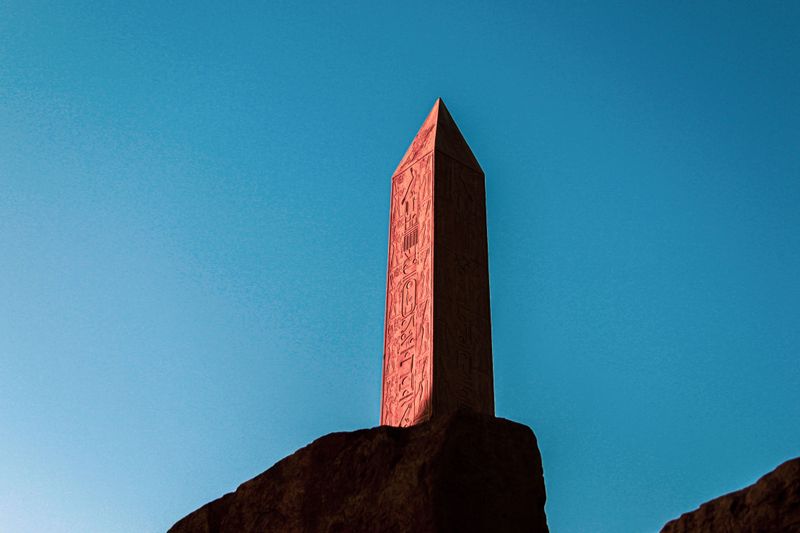
The astonishing heart of Axum — a field of giant carved granite stelae raised by Axumite kings around 1,700 years ago to mark royal tombs. The largest still standing soars 24 metres, carved to resemble a multi-storey building with false doors and windows; the greatest of all, now fallen and broken, was the largest single stone humans ever attempted to erect. A famous stele looted by Mussolini was returned from Rome in 2005.
The Northern Stelae Field is the main site — marvel at the standing giant and the immense fallen one, and descend into the royal tombs beneath; a guide adds vital context.
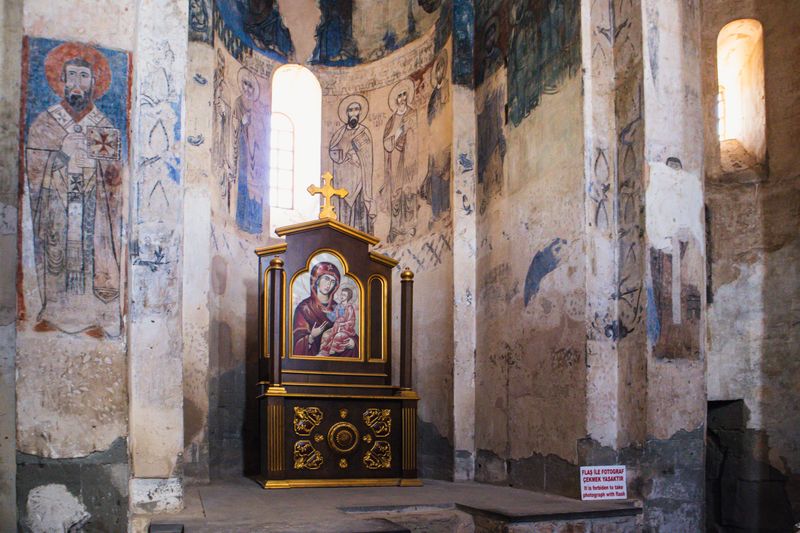
Beside the Church of St Mary of Zion stands a small, guarded chapel where, Ethiopian Orthodox Christians firmly believe, the Ark of the Covenant is kept — the biblical chest said to hold the tablets of the Ten Commandments, brought here, they hold, by Menelik I, son of Solomon and the Queen of Sheba. No one may see it but a single appointed guardian monk who never leaves the compound.
You can’t enter the chapel or see the Ark, but the site and the old and new St Mary of Zion churches beside it are deeply revered — women can’t enter the older church.
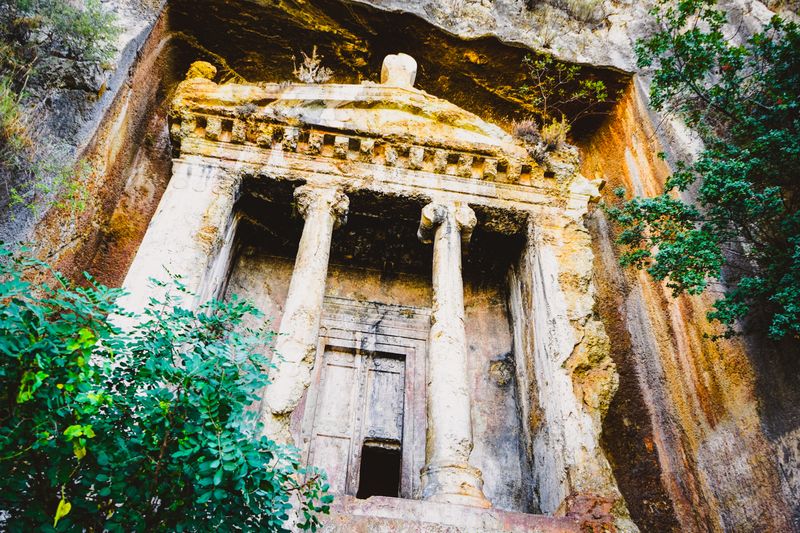
Beneath and around the stelae lie the elaborate underground tombs of the Axumite kings, with great stone portals and chambers, while the town’s museums display the empire’s own ancient coins — Axum was one of the first states in the world to mint currency — along with inscriptions, glassware and artefacts that testify to its far-reaching trade and sophistication.
The tomb of the emperors beneath the stelae and the small archaeological museum bring the ancient empire to life — don’t miss the Axumite coins and trilingual inscriptions.
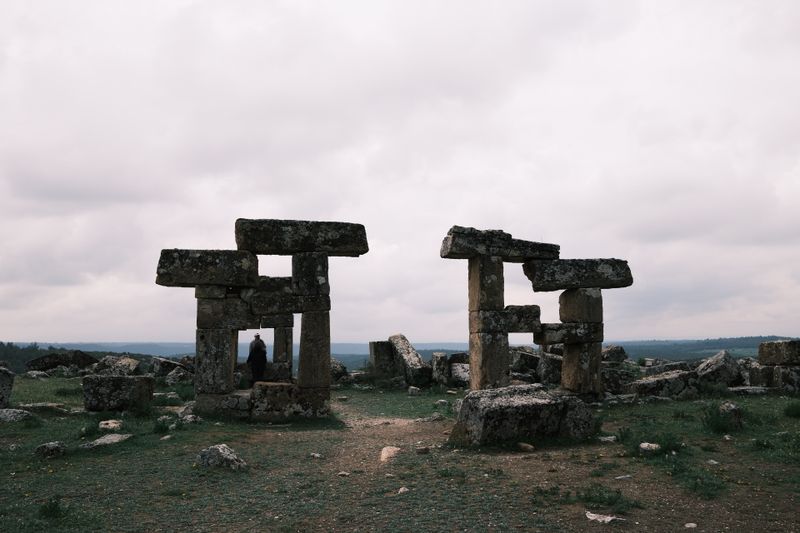
Around the town, legend attaches to several sites: the vast reservoir known as the ‘Queen of Sheba’s Bath’, still used in the Timkat celebrations; the ruined ‘Palace of the Queen of Sheba’ (Dungur); and King Ezana’s inscribed stone, recording in three ancient languages the kingdom’s conversion to Christianity in the 4th century. History and legend blur beguilingly at every turn.
The ‘bath’ reservoir, Dungur palace ruins and Ezana’s trilingual stone are quick, atmospheric stops that flesh out the empire and its legends — a guide ties them together.
Axum’s food is highland northern Ethiopian — injera (here often made from the region’s own teff) with an array of spicy wat stews, eaten communally with the right hand. Feast on doro wat (chicken and berbere), tibs (fried meat), shiro (chickpea puree) and the excellent vegetarian fasting platters that the town’s deep Orthodox devotion makes plentiful, especially on the many fasting days. The far north is also known for its own flatbreads and for locally brewed suwa (a traditional beer) and tej (honey wine), poured in simple local houses. Restaurants are modest and cheap, geared to pilgrims and the trickle of visitors, and a coffee ceremony rounds off meals. It’s simple, hearty, communal food in a town where the real feast is for the imagination — a shared injera platter and fresh-roasted coffee after a day among ancient stelae and legends.
Begin at the Northern Stelae Field among the towering carved obelisks and the colossal fallen one, descending into the royal tombs beneath — the wonder of the ancient empire.
Visit the St Mary of Zion churches and the guarded chapel said to hold the Ark of the Covenant — the spiritual heart of Ethiopian Christianity — with an injera lunch after.
Explore the underground royal tombs and the museum’s ancient Axumite coins and inscriptions, then the Queen of Sheba’s ‘bath’ and palace ruins on the town’s edge.
A coffee ceremony and a jug of local suwa or tej in a simple house, reflecting on a small dusty town that holds two thousand years of empire, faith and legend.
Axum lies in the Tigray region, affected by recent conflict — check current travel advice and local conditions carefully before planning a visit.
Axum blends hard archaeology with powerful legend — the Ark, the Queen of Sheba — a good guide helps you appreciate both the evidence and the beliefs.
The Ark of the Covenant is guarded, unseen by all but one monk — respect the chapel from outside; the older St Mary church admits men only.
Axum is a major Orthodox pilgrimage centre, especially for the November Hidar Tsion festival and Timkat — dress modestly and be respectful at holy sites.
As across Ethiopia, the local calendar and dawn-based clock differ from the Western system — confirm times and dates carefully.
Axum is small, dusty and very cheap, and entirely cash-based — carry birr; facilities are basic but the historical rewards are immense.
How hotels, guides and drivers across Ethiopia communicate and take bookings.
Free
Multi-currency card for the region — but bring birr cash; card acceptance is very limited.
Free
The highland capital Addis Ababa, the rock churches of Lalibela, the castles of Gondar, Lake Tana at Bahir Dar and ancient Axum — Ethiopia’s historic north is one of Africa’s great journeys.
Planning a wider trip? Our Ethiopia travel guide covers getting there, costs, when to go and more.