ET
Lalibela
Churches carved from living rock
Churches carved from living rock
⚠️ Travel advisory: check before you go
Governments advise against travel to parts of Ethiopia, including areas of Amhara, Tigray and regions near the borders, because of armed conflict and unrest. Check the latest advice for your route, especially for Lalibela and Gondar.
Latest official advice: UK FCDO · US State Department · Reviewed September 2026
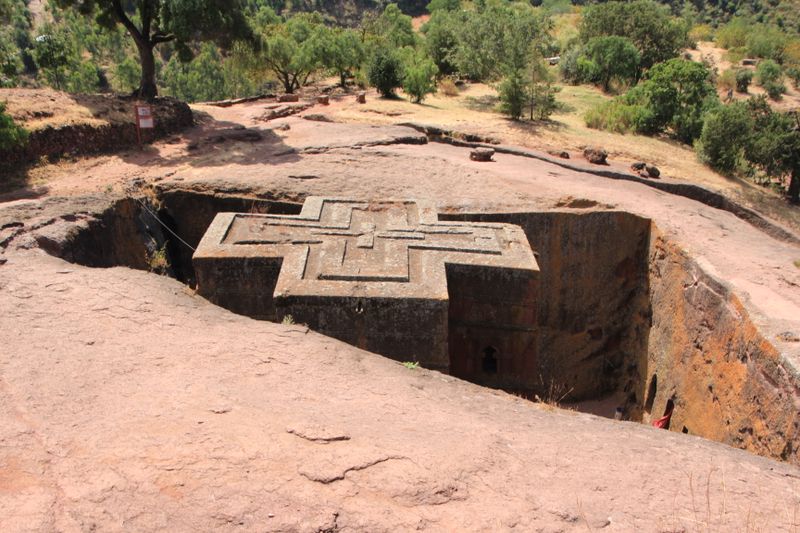
The masterpiece and symbol of Lalibela — a perfect cruciform church carved 15 metres down into the rock, standing free in its own deep pit, approached through a trench and tunnel. Seen from above, the cross-shaped roof is one of the iconic images of Africa; within, it remains a working church tended by priests. Legend says St George himself oversaw its creation.
View it first from the rim for the famous cross-from-above shot, then descend into the pit and inside — it’s the most photogenic and complete of all the churches.
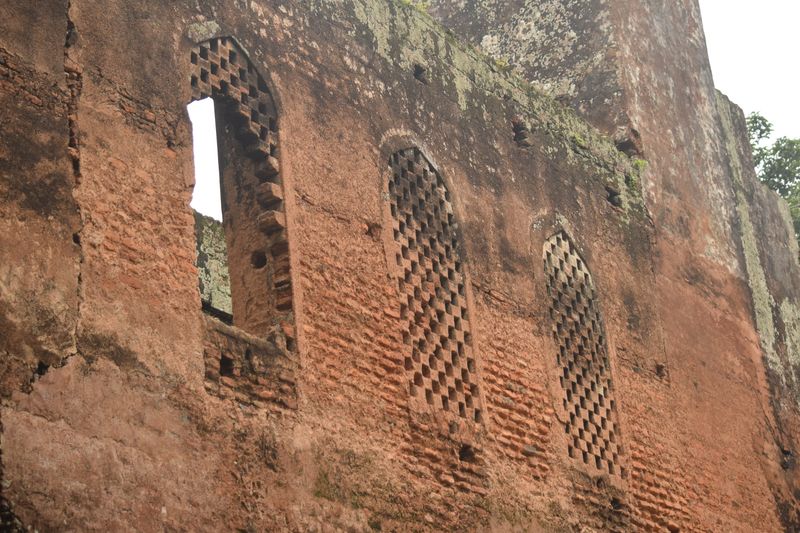
The largest group of churches, including Bete Medhane Alem — believed to be the biggest rock-hewn church in the world, a vast pillared hall — and Bete Maryam, the oldest and most richly decorated, covered in faded frescoes and carvings, always busy with worshippers. A maze of trenches, tunnels and passageways links them, some pitch dark, symbolising the journey between heaven and earth.
Bete Maryam is the most atmospheric and colourful — go early for the light and the worshippers; a guide greatly enriches the symbolism and history.
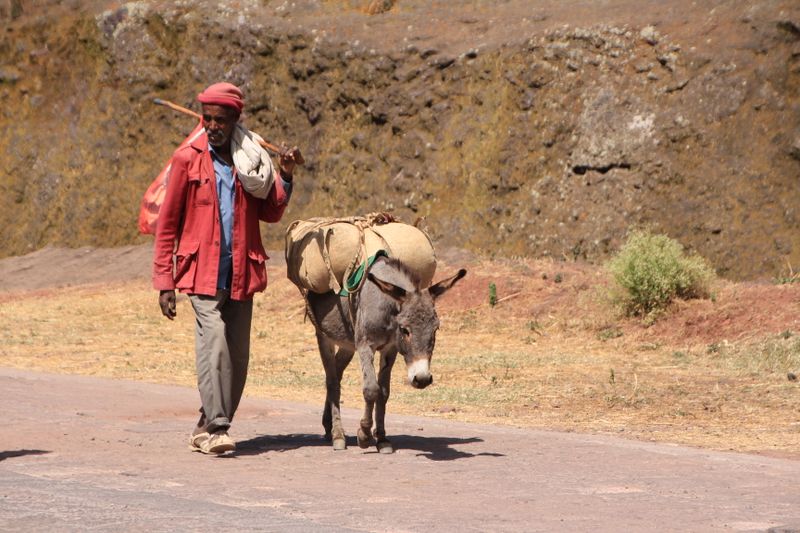
The second group of churches, reached through a long, pitch-black tunnel meant to represent hell before emerging into the light, includes Bete Emanuel, Bete Merkorios and the twin-chapel Bete Gabriel-Rufael. Hermit cells, tombs and crevices honeycomb the rock, and white-clad priests emerge from doorways with ancient crosses and illuminated Bibles.
Bring a torch for the dark tunnel between the clusters (part of the spiritual journey); ask a priest to show a church’s ancient processional crosses and Bible.
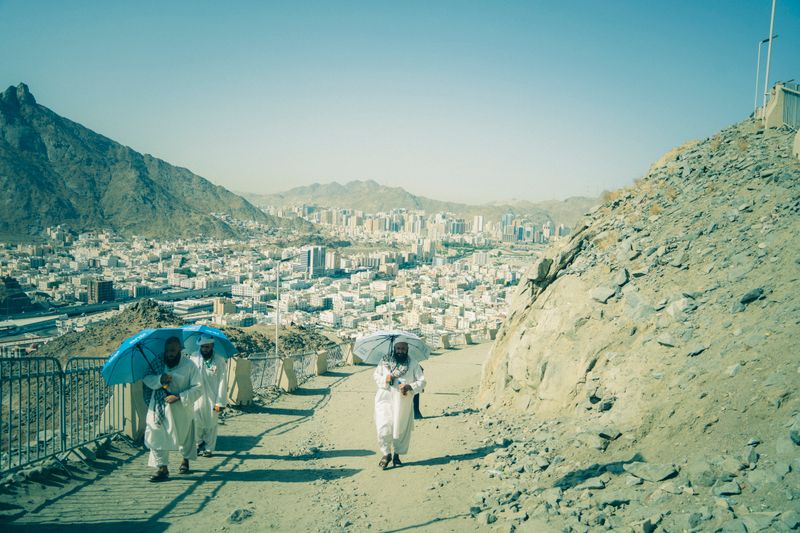
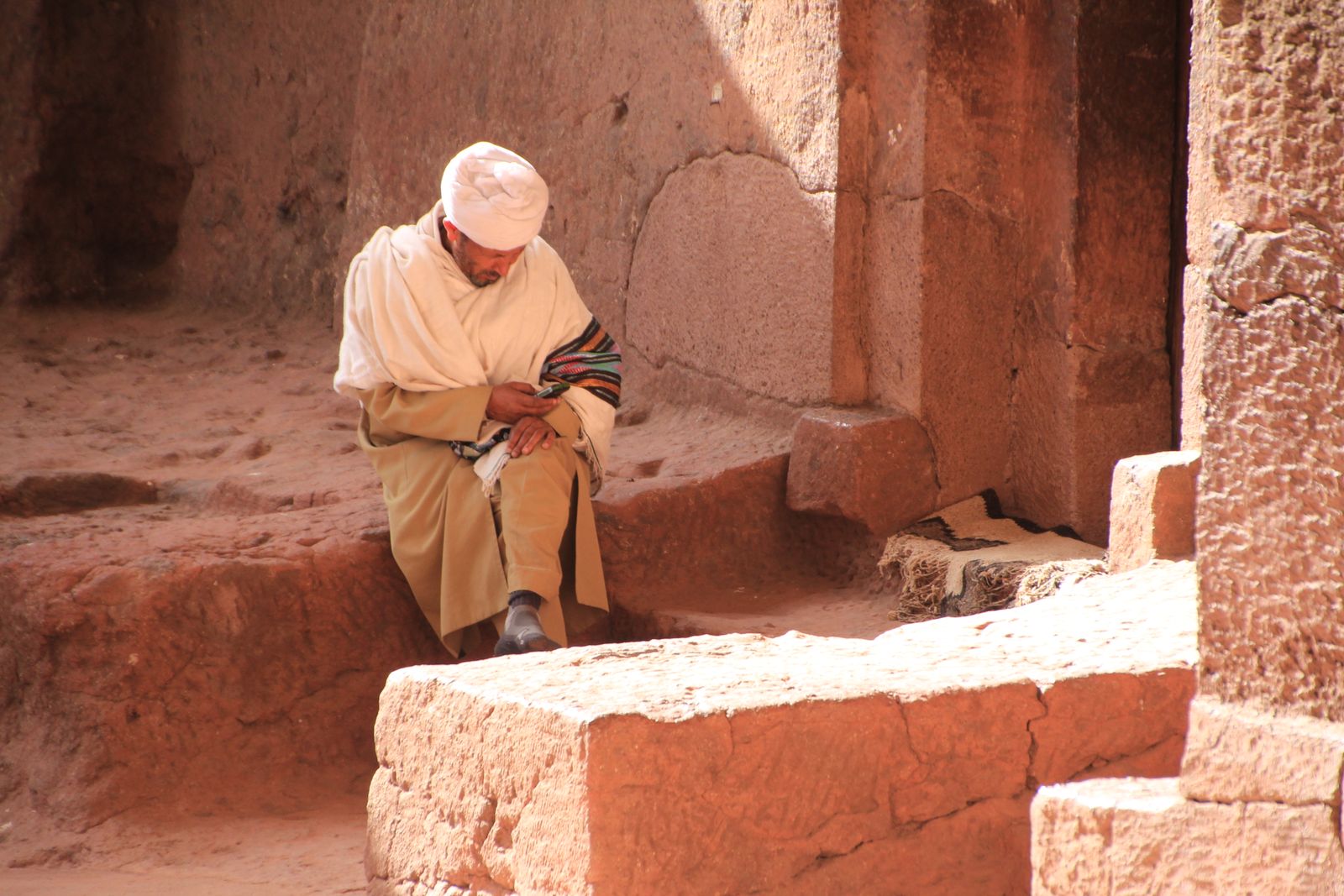
Lalibela is above all a living pilgrimage site, and its greatest spectacle is Genna, Ethiopian Christmas (January 7th), when tens of thousands of white-robed pilgrims fill the churches and hillsides in an unforgettable display of devotion. Beyond the town, the dramatic Lasta highlands offer viewpoints, the clifftop monastery of Asheton Maryam, and traditional two-storey tukul houses.
If you can, time a visit for Genna (Jan 7) or Timkat (Jan 19) for the extraordinary pilgrimage — book far ahead; otherwise dawn services are moving year-round.
Lalibela’s food is highland Ethiopian, centred as everywhere on injera with an array of spicy stews (wat), and the town has a cluster of restaurants used to visitors, some with wonderful views over the escarpment. Try doro wat (the chicken-and-berbere national dish), tibs (fried meat), the vegetarian fasting platters of lentils and greens (excellent and widespread, given the town’s deep Orthodox devotion), and shiro (a spiced chickpea puree). Given the many fasting days, vegetarian eating is easy and delicious here. A coffee ceremony is a lovely, ubiquitous ritual, and local tej (honey wine) and St George beer accompany dinners. Some restaurants offer clifftop terraces for a sunset meal over the highlands. It’s simple, hearty, cheap and communal — a shared injera platter after a day among the churches, with fresh-roasted coffee to follow, is the Lalibela way.
Arrive at the churches at dawn with a guide, when white-robed worshippers and chanting priests fill the rock-cut naves — the most moving time to see Lalibela alive with faith.
Explore the northern cluster — the vast Bete Medhane Alem and the fresco-filled Bete Maryam — through the linking trenches and tunnels carved from the rock.
Pass through the dark tunnel to the southern cluster, then finish at the perfect cross of Bete Giyorgis — viewed from the rim above and from within its deep pit.
A coffee ceremony and an injera dinner on a clifftop terrace as the sun sets over the Lasta highlands — the serene close to a day among wonders.
Lalibela is a short domestic flight from Addis (or a long mountain drive) — flying is the easy way; it’s a key stop on Ethiopia’s historic northern circuit.
Genna (Ethiopian Christmas, Jan 7) and Timkat (Jan 19) bring tens of thousands of pilgrims and unforgettable spectacle — book far ahead if you come then.
A licensed guide is invaluable for the symbolism, history and etiquette of the churches; remove shoes to enter, and dress modestly.
Some passages between churches are pitch dark (deliberately, as spiritual symbolism) — a headtorch helps; watch your footing on worn rock.
These are living churches, not museums — be discreet with cameras around worshippers, ask before photographing people, and keep quiet during services.
A single multi-day ticket (around $50) covers all the churches — pricey for Ethiopia but the entry to a world wonder; carry birr cash for everything else.
How lodges, guides and drivers across Ethiopia communicate and take bookings.
Free
Multi-currency card for the region — but bring birr cash; card acceptance is very limited here.
Free
The highland capital Addis Ababa, the rock churches of Lalibela, the castles of Gondar, Lake Tana at Bahir Dar and ancient Axum — Ethiopia’s historic north is one of Africa’s great journeys.
Planning a wider trip? Our Ethiopia travel guide covers getting there, costs, when to go and more.