IN
Mumbai
The City of Dreams
The City of Dreams

Marine Drive (free; 24h; the finest 3.6km C-shaped Arabian Sea seafront boulevard in any accessible Indian coastal heritage city; 1930s Art Deco apartment building terrace; the finest Queen’s Necklace orange street light Marine Drive reflection at 7pm) is the best seafront boulevard heritage experience in India.
Marine Drive (free; 24h; the finest 3.6km C-shaped Arabian Sea seafront boulevard; 1930s Art Deco apartment facades; the finest Queen’s Necklace orange street light reflection at 7pm).

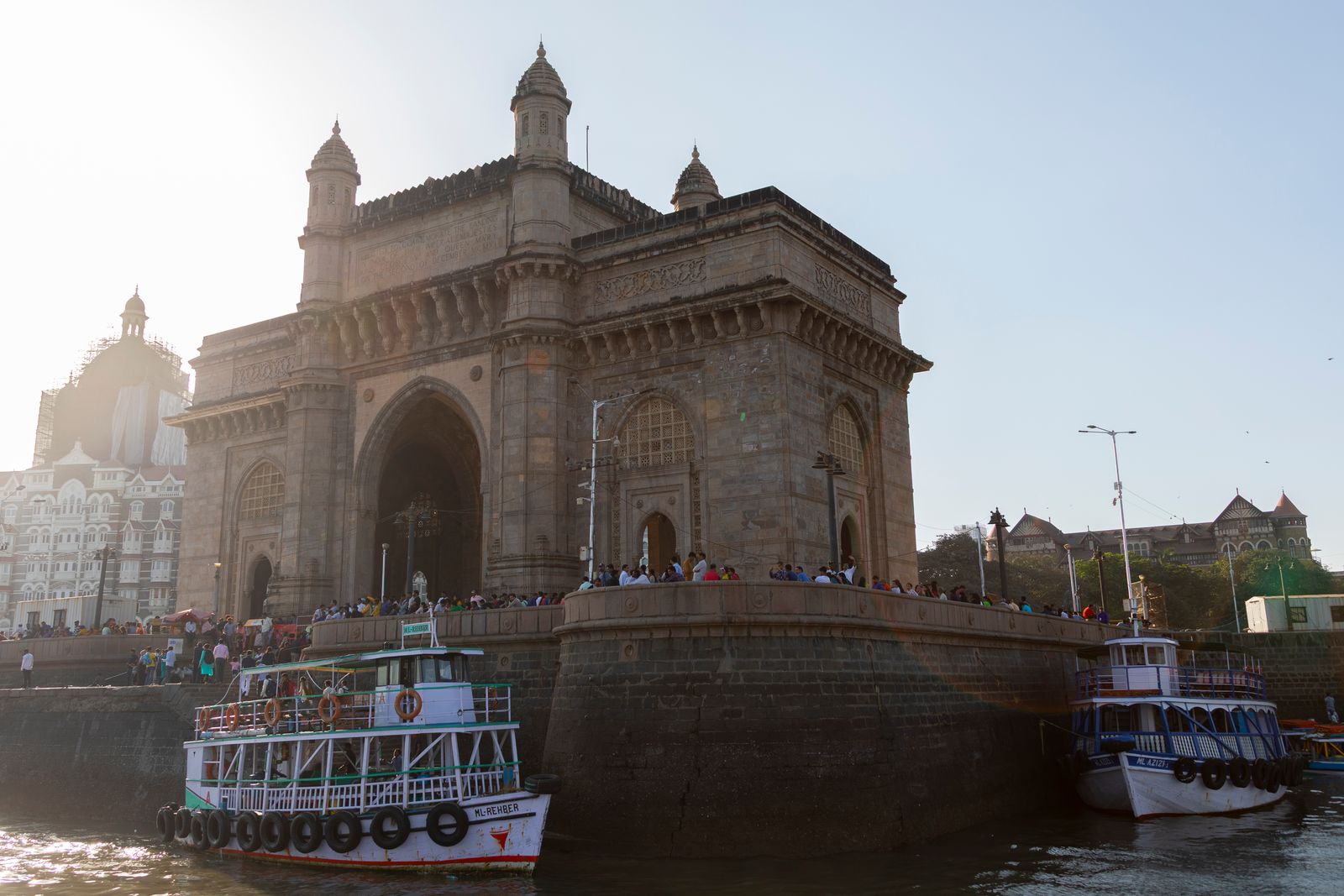
Gateway of India (free; Apollo Bunder, Colaba; the finest 1924 26m basalt arch monument in any accessible Indian Arabian Sea heritage waterfront; Elephanta Island ferry from ₹200 return (1h; UNESCO 1987; the finest 5th–8th century rock-cut Shiva cave temples from ₹600 foreigner entry)) is the best colonial waterfront and cave temple heritage experience in Mumbai.
Gateway of India (free; Apollo Bunder, Colaba; the finest 1924 26m basalt arch monument; Elephanta Island ferry from ₹200 return (1h; UNESCO 1987; rock-cut Shiva caves from ₹600 foreigner entry)).
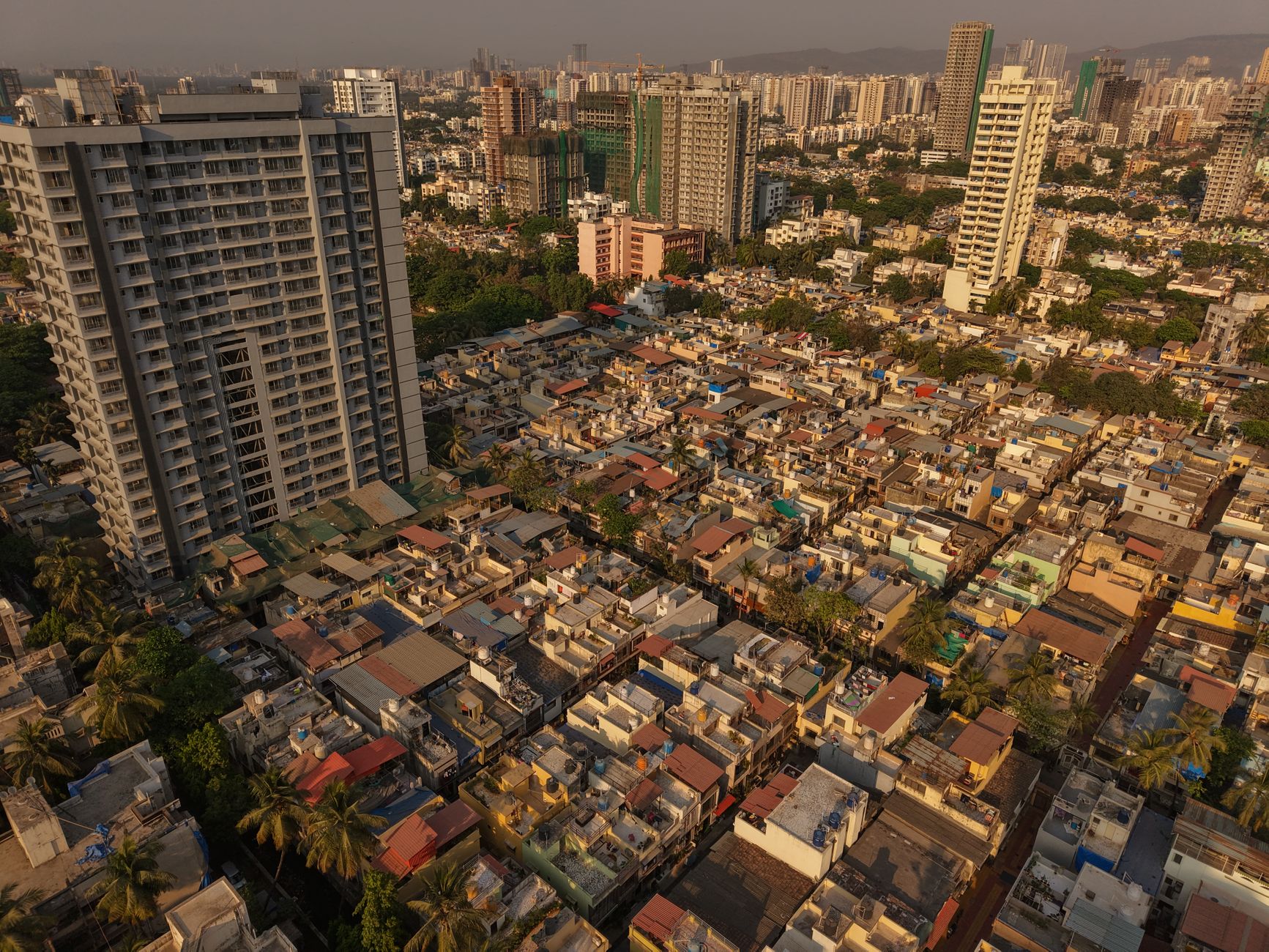
Dharavi heritage tour (from ₹800 guided 2h tour via Reality Tours & Travel or Be The Local; the finest Asia-Pacific community resilience neighbourhood; 15,000+ pottery kiln heritage cluster; Dharavi plastic, metal, and textile recycling micro-enterprise) is the best community heritage experience in Asia.
Dharavi heritage tour (from ₹800 guided 2h; the finest Asia-Pacific community resilience neighbourhood; 15,000+ pottery kiln heritage cluster; plastic, metal, and textile recycling micro-enterprise).

Chhatrapati Shivaji Maharaj Terminus (CSMT) (free to view exterior; UNESCO 2004; the finest 1887 Victorian Gothic colonial railway terminus; Gothic gargoyle, pointed arch window, and central clock tower; Gothic vaulted booking hall from ₹25 Indian or free for foreigners on platform) is the best Victorian Gothic railway heritage experience in the world.
CSMT (free exterior; UNESCO 2004; the finest 1887 Victorian Gothic colonial railway terminus; Gothic gargoyle, pointed arch window, and central clock tower; Gothic vaulted booking hall from ₹25 or free for foreigners on platform).
Mumbai dining reflects the finest street food tradition in India: vada pav (the best Mumbai-origin spiced potato fritter and bread roll in any accessible Indian street food stall — the best Mumbai vada pav (the best Mumbai working-class street burger in any accessible South Asian street food; from ₹15 at any Mumbai suburban railway station chaat stall; the best spiced potato vada in a white bread pav with dry garlic chutney)); pav bhaji (the best Mumbai buttered bread roll with spiced mixed vegetable curry in any accessible Indian street food stall; from ₹80 per plate at any Juhu Beach or Mohammed Ali Road pav bhaji stall); and the best Mohammed Ali Road Ramadan street food (the best Mumbai Ramadan haleem, kebab, and nihari heritage food lane in any accessible Indian city).
The dabbawalas (the Mumbai tiffin-box delivery network; 5,000 workers who collect home-cooked lunches from suburban homes and deliver them to office workers in South Mumbai by local train and bicycle; 200,000 lunches per day; error rate of one wrong delivery per 16 million; a Harvard Business School case study) are the most celebrated logistical operation in India and a defining symbol of Mumbai’s functional ingenuity.
Mumbai’s geography (a long narrow peninsula) makes north-south transit the primary challenge. The Mumbai Local Train (the suburban railway; three lines: Western, Central and Harbour; ₹5–35 for most journeys; buy at the booking window; the journey from Churchgate to Bandra: 20 min; from CST to Dadar: 15 min) is the fastest way to move between South Mumbai and the northern suburbs. Auto-rickshaws operate only in the suburbs (north of Mahim and Sion); black-and-yellow metered taxis operate in South Mumbai. Uber and Ola are available city-wide and are the most practical option for tourists (fixed price visible before booking; no meter argument). The Elephanta Island ferry departs from the Gateway of India (₹230 return; 1h each way; 9am–5pm Wed–Mon).
Nov–Feb (25–30°C; dry; low humidity) is ideal. Oct and Mar are good shoulders. Jun–Sep monsoon (heavy rain; flooding; but photographically extraordinary). Apr–May is the most uncomfortable (32–38°C with high humidity).
Mumbai is the most expensive Indian city for accommodation but food ranges from ₹20 (vada pav) to ₹5,000+ (fine dining). The local train is the best value transit in India. Per person per day.
The vada pav (₹15–30), the Irani cafe bun maska (₹50) and the local train (₹10–35) make Mumbai very affordable for street-level eating and transit.
The Dharavi guided tour (₹800; 2h; 80% of profit returned to the community) is the most ethically sound and most educationally rich experience in Mumbai, revealing the industrial economy of the city that no guidebook or film has accurately portrayed.
A suite at the Taj Mahal Palace Hotel with a view of the Gateway of India (the original 1903 palace wing; the butler service; the most historic hotel address in India) is the definitive Mumbai splurge experience.
Three days: Colaba and the Gateway, the local train, Dharavi tour, Elephanta Island, and the Bandra restaurant scene.
Marine Drive (free; the finest Arabian Sea sunset Queen’s Necklace at 7pm). Gateway of India (free; Apollo Bunder; 1924 basalt arch). Elephanta Island ferry (from ₹200 return; 1h; UNESCO; rock-cut Shiva caves from ₹600). Colaba Causeway heritage street market (free; silver jewellery, export clothing; from ₹50 per item).
The Gateway of India and Marine Drive morning (the finest colonial waterfront in India; start at the Gateway of India at 7am (free; the finest 7am Gateway of India photograph before the day tour boats dock; Apollo Bunder, Colaba)): Gateway of India and Taj Mahal Palace Hotel waterfront (the best 1924 basalt arch and 1903 Taj Mahal Palace Hotel colonial facade photograph at 7am morning light); Marine Drive walk (free; 20 min walk from Colaba to Nariman Point; the finest 3.6km Art Deco boulevard; Queen’s Necklace at 7pm floodlit).
CSMT (free exterior; UNESCO; the finest 1887 Victorian Gothic railway terminus). Dharavi heritage tour (from ₹800; 2h; Reality Tours & Travel; 15,000+ pottery kilns). Chor Bazaar antique market (free; Mutton Street, Bhendi Bazaar; the finest Mumbai colonial-era furniture and Bollywood poster market; closed Fri). Vada pav from any suburban railway station stall (from ₹15).
The Elephanta Island ferry and CSMT (the finest colonial cave temple heritage from Mumbai; take the Elephanta Island ferry from Gateway of India at 9am (from ₹200 return; 1h; UNESCO 1987; buy tickets at the Gateway of India ferry terminal): 5th–8th century rock-cut Shiva cave temples (from ₹600 foreigner entry; the best Trimurti Mahesh Murti three-faced Shiva carving in any accessible South Asian rock-cut heritage cave; 90 min on the island); CSMT (free exterior; UNESCO; the finest 1887 Gothic railway terminus facade; 15-min walk from Gateway of India after the return ferry).
Juhu Beach (free; Arabian Sea suburban beach; bhel puri from ₹30 at any beach chaat stall). Bandra neighbourhood (free; Bollywood celebrity heritage neighbourhood; Bandra Bandstand and Taj Lands End Promenade coastal walk). Bandra-Kurla Complex (the finest Mumbai corporate and design district). Return to Marine Drive for the 7pm Queen’s Necklace street light reflection.
The Dharavi heritage tour (the finest community resilience heritage in Asia; from ₹800 per guided 2h tour; book via Reality Tours & Travel (realitytoursandtravel.com) or Be The Local (bethelocalindia.com) 1 day ahead; meet at Mahim Junction (10-min suburban train from CST)): the best Dharavi pottery kiln cluster (15,000+ kilns; the finest hand-thrown terracotta pottery production); the best Dharavi recycling micro-enterprise (plastic, metal, and textile); return to Colaba for Colaba Causeway street market (free; silver jewellery from ₹50).
🛂 Entry rules: India e-Tourist Visa
Most visitors need a visa for India. Citizens of around 170 countries, including the UK, US, EU, Canada and Australia, can apply online for an e-Tourist Visa: a 30-day visa, or one-year and five-year versions that allow stays of up to 180 days per calendar year. The fee depends on your nationality and the visa length.
Apply at least four days before arrival (and up to 120 days ahead) on the official Indian Visa Online site; many look-alike sites charge extra. The e-Visa is only valid for entry through designated airports and seaports, not most land borders.
Official information: Government of India: e-Visa · Reviewed September 2026
Potato bhaji in a bread roll with dry chutneys. Order at any roadside stall for ₹20. Ashok Vada Pav at Vile Parle is the classic reference.
Kyani & Co (1904), Yazdani Bakery, and B Merwan serve bun maska (₹25) and chai (₹15) in marble-top interiors unchanged in 100 years.
Ferry from Gateway of India (₹185 return; 1 hour). The 6th-century Shiva cave panels are finest at 9am, before day-trippers arrive at 11am.
The Queen’s Necklace arc-lamp reflection on the water at dawn, before joggers take over by 6am. Best on a Tuesday or Wednesday.
Film City in Goregaon and Mehboob Studios in Bandra offer set visits. Book through a licensed guide rather than touts near the Gateway of India.
The Central and Western Lines cross all Mumbai zones. Buy a ₹10–30 second-class token. First-class carriages are significantly more comfortable.
Uber (uber.com) or Ola (olacabs.com) for the best Mumbai safe transport (from ₹100 per city trip; BOM Airport to Colaba from ₹350 (45–60 min off-peak); for South Mumbai tourist circuit (Colaba–Gateway of India–Marine Drive–CSMT loop from ₹150 per Uber trip)).
Free
Download the Mumbai offline map before arrival — the Gateway of India (Apollo Bunder, Colaba), Marine Drive (Nariman Point to Chowpatty Beach), CSMT (Bori Bunder, Fort), the Dharavi tour meetpoint (Mahim Junction), and Juhu Beach (Western Suburbs) require offline navigation.
Free
Quick answers to the questions travellers most often ask before visiting Mumbai.
November to February, with cooler, drier weather, is the best time. Avoid the heavy June-September monsoon, and expect heat and humidity from March to May.
Two to three days for the Gateway of India and Colaba, Marine Drive, the Victorian and Art Deco architecture, a boat trip to the Elephanta Caves, and a taste of the street food and Bollywood energy.
By the crowded but iconic suburban trains, the expanding metro, black-and-yellow taxis and auto-rickshaws, and app cabs. Traffic is heavy, so allow plenty of time.
Being India’s financial capital and largest city, the home of Bollywood, and a place of dramatic contrasts — the Gateway of India, Marine Drive, grand colonial-era architecture, vibrant markets and legendary street food.
Discover more of India’s extraordinary destinations.
Planning a wider trip? Our India travel guide covers getting there, costs, when to go and more.