IT
Naples
Pizza, Vesuvius and Controlled Chaos
Pizza, Vesuvius and Controlled Chaos
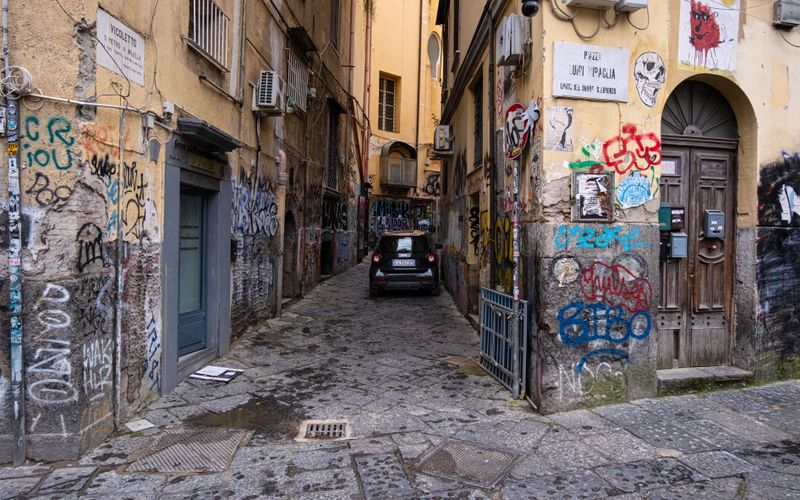
The long straight street that bisects Naples (literally “Naples-splitter”) runs through 3,000 years of layered city. The MANN (National Archaeological Museum) at the north end has the finest collection of Roman artefacts in existence — everything from Pompeii and Herculaneum is here. The Catacombs of San Gennaro beneath the city are extraordinary and almost ignored.
Walk the full 3km of Spaccanapoli on a weekday morning. The Cappella Sansevero (€9; museosansevero.it) is the must-see: Cristo Velato (the Veiled Christ, 1753) is considered the finest marble work in the world.

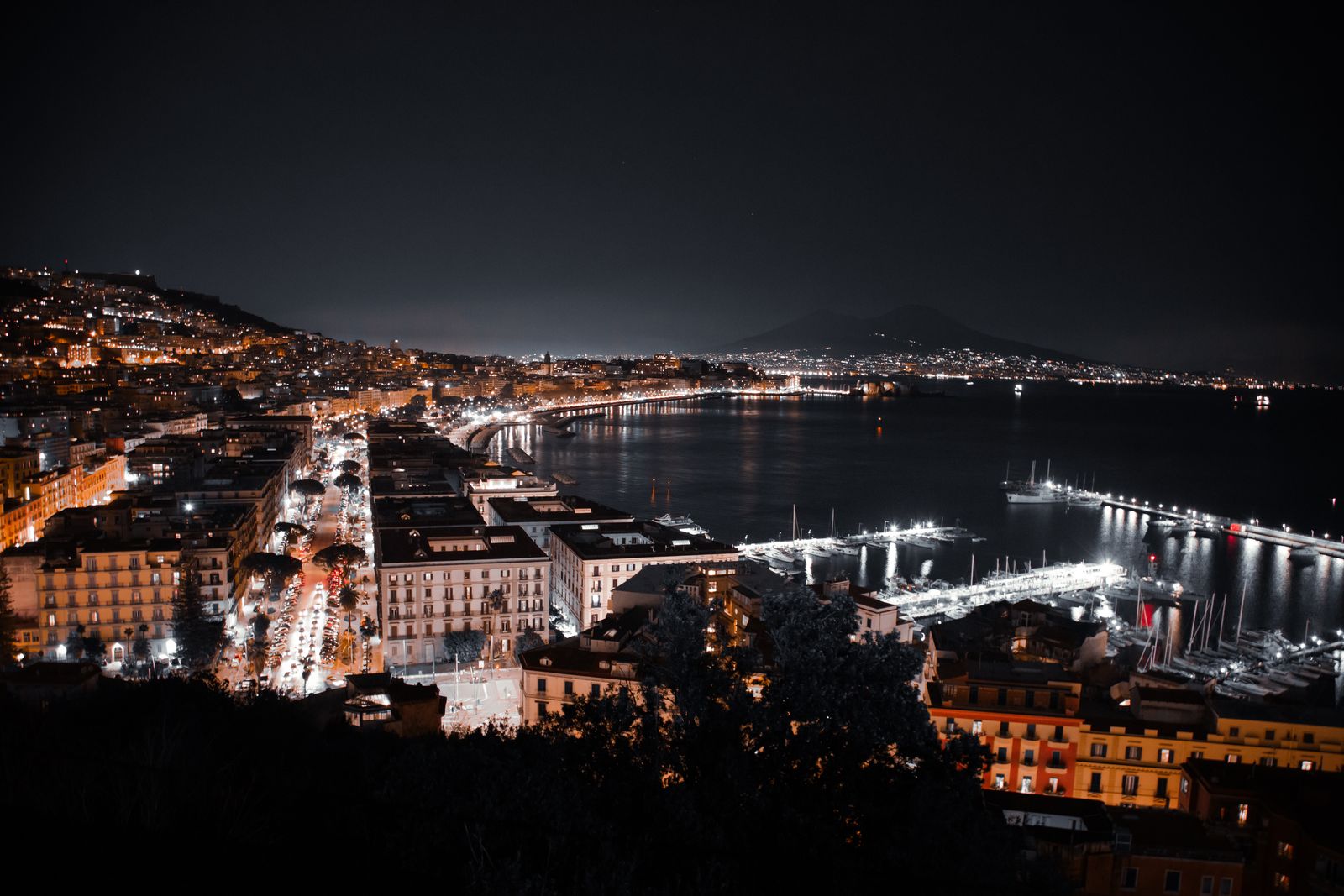
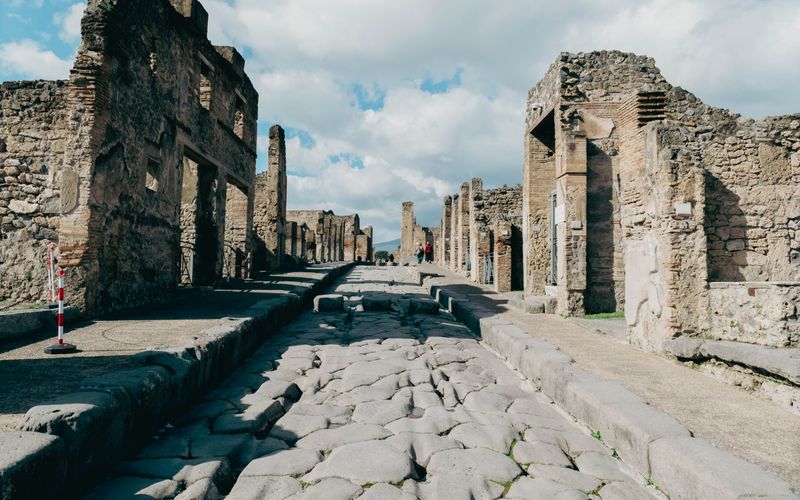
The volcano looming over the bay is the context for everything. Take the Circumvesuviana train to Pompeii Scavi (40 min, €2.80): the excavated city is genuinely staggering and takes 3–4 hours to walk properly. Herculaneum (20 min, €2) is smaller but better preserved — wooden furniture, food, wall paintings survived the ash in ways they didn’t at Pompeii. Book both sites online.
Book Pompeii at pompeiisites.org (€18) — ticket office queues run 45–60 min in peak summer. Arrive at 9am and head for the Villa of the Mysteries (northwest corner) first to beat the tour groups.
Everything excavated from Pompeii and Herculaneum that couldn’t stay in the ground is here. The Secret Room (pornographic Roman art) requires a specific ticket. The bronze sculptures from the Villa dei Papiri are some of the finest Roman works that exist. Budget 2–3 hours. The museum is chronically under-visited given its contents.
The MANN (€22) contains the finest Roman art collection in the world: the original Alexander Mosaic, the Secret Cabinet of erotic bronzes (included), the Farnese Hercules. Allow 3–4 hours.
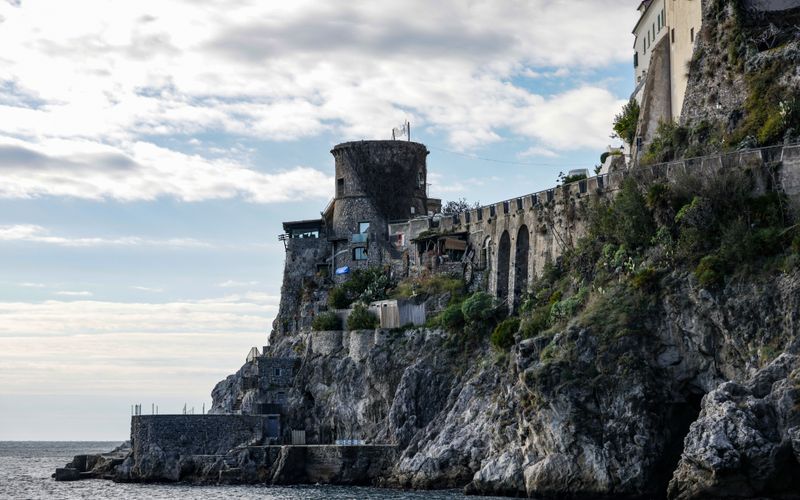
Ferries from Molo Beverello connect Naples to Positano (1h15) and Amalfi (1h45) from April to October. The coast road by bus is spectacular and nausea-inducing. The best approach in summer is by ferry: arrive by sea, walk the town, eat lunch by the water, return before the afternoon heat. Ravello, above Amalfi, has the quietest clifftop gardens in Italy.
SITA bus from Naples (€3.80 each way) runs to Amalfi via Positano (2h 30min). In July–August when the road is gridlocked, the ferry from Salerno to Amalfi (1h; €8) is far faster.
The Neapolitan pizza debate is an entire subculture. Sorbillo on Via Tribunali is the most famous and has a queue from noon. Di Matteo, two doors down, has no queue and comparable quality. Starita in the Materdei neighbourhood is the one locals go to. All three cost €5–8 for a margherita and are open for lunch and dinner. The pizza will not be what you ate in New York or London: it will be wet in the centre, charred at the edge, and substantially better.
Street food: pizza fritta (deep-fried pizza folded into a half-moon, €2–3 from a street stall) was invented when Neapolitans couldn’t afford the oven-fired version after WWII. Sfogliatella (a shell-shaped pastry, either crispy or soft) is the correct breakfast. Cuoppè (paper cone of fried mixed seafood) is the correct beach snack. Caffetteria Letteraria Intra Moenia at Piazza Bellini has the best coffee in the city centre and a bookshop attached to it, which is an accurate metaphor for Naples.
The historic centre (Spaccanapoli to the waterfront) is walkable in 30 minutes. Metro Line 1 has extraordinarily designed art stations (Toledo station is the most beautiful metro station in Europe by various accounts) — worth taking for the art alone. The Circumvesuviana regional train to Pompeii and Herculaneum departs from Napoli Garibaldi station every 30 minutes (€2.80 each way). Ferries to Capri, Ischia, Procida and the Amalfi Coast depart from Molo Beverello; hydrofoils from Molo Mergellina. The Alibus shuttle connects the airport to the city centre in 20 minutes (€5).
April to June and September to October are the best windows. Summer is hot (35°C+) and the ferry services to the islands are at peak demand, but the Amalfi Coast is at its most beautiful. November to March is quiet, mild and the Pompeii queues disappear.
Naples is the most affordable major city in Italy. Accommodation costs 30–40% less than Rome; pizza and street food are among the cheapest quality meals in Europe. Per person per day, couple travelling.
Naples is Italy’s best budget city. A complete day including meals, transport and one major site costs under €60.
The Chiaia seafront neighbourhood has the best mid-range restaurants. Lacryma Christi (wine from the Vesuvius slopes) is the correct bottle.
A private boat from Naples to the Amalfi Coast (€300–500 for a half day) lets you stop at sea caves and swimming spots the ferries bypass.
Naples plus Pompeii plus one Amalfi or island day trip is the natural three-unit structure. Four days covers the city properly and adds two excursions.
Walk Spaccanapoli from east to west. The street is genuinely straight — built on a Greek grid 2,500 years ago. Pizza at Di Matteo or Sorbillo for dinner. Coffee at the Caffetteria in Piazza Bellini. Walk the Quartieri Spagnoli at dusk.
Walk from Piazza Dante along Via dei Tribunali to Piazza Bellini (20 min) for the first evening. The street life, the music from open windows, the pizza from bakery doors — Naples hits immediately.
MANN in the morning (€15, allow 2–3 hours — the bronze collection alone warrants an hour). San Gennaro Catacombs in the afternoon (guided tour only, €9, extraordinary underground city). Evening pizza, second instalment.
The Catacombe di San Gennaro (€9; guided tours hourly 10am–5pm) are beneath the Materdei hill church. The 2nd–5th century Christian tunnels are among the most atmospheric in Italy.
Circumvesuviana from Garibaldi station. Herculaneum first (20 min, €2.80): the wooden furniture, the organic matter and the wall paintings in context. Train on to Pompeii Scavi (20 more minutes): 44 hectares, allow 3 hours minimum. Book both sites online. Return by 5pm.
Herculaneum (15 min closer to Naples; €15) is smaller, better preserved and far less crowded than Pompeii. Go to Herculaneum in the morning, Pompeii in the afternoon.
Ferry from Molo Beverello. Capri hydrofoil (50 min, €21 one way): Blue Grotto tour (€14, worth it), the funicular to Capri town, lunch overlooking the sea. Or ferry to Positano (1h15) for the coastal town experience without the Capri tourist density. Return by early evening.
Capri hydrofoil from Naples Molo Beverello (50 min; €24 return). Book the chairlift to Monte Solaro (€12 return) for the finest island view — far better than the famous Blue Grotto.
🛂 Entry rules: EES and ETIAS
Italy is in the Schengen area, which has two EU border systems for non-EU visitors.
EES (in force): since 10 April 2026 the EU’s Entry/Exit System registers non-EU visitors’ passport details, fingerprints and a photo the first time they enter the Schengen area, replacing passport stamps. Allow extra time at the border on your first trip; later crossings are quicker. EU, EEA and Swiss citizens are not registered.
ETIAS (not yet running): a €20 online travel authorisation for visitors who don’t need a visa, such as UK, US, Canadian and Australian citizens. It hasn’t started and no start date has been confirmed, so nobody can apply yet; ignore websites that offer to “pre-register” you for a fee.
Visa-free visitors can stay up to 90 days in any 180-day period across the whole Schengen area, not per country.
Official information: EU: Travel to Europe (EES & ETIAS) · Reviewed September 2026
Sorbillo (Via Tribunali 32) is the most famous pizzeria in Naples and queues from noon.
Pompeii (€18) has severe summer queuing without a timed entry ticket. Book at pompeiisites.org.
Naples has a petty theft reputation that is earned. Keep bags in front, phones in inside pockets, and don’t flash cameras near mopeds.
The regional train to Pompeii, Herculaneum and Sorrento runs every 30 minutes from Napoli Garibaldi station. €2.80 each way to Pompeii. No booking required.
Pompeii covers 44 hectares and takes 3–4 hours to do properly — it is large and much of it is closed.
Metro Line 1’s Toledo station has a 50-metre deep oculus decorated in blue mosaic — it was voted most beautiful metro station in Europe in 2012.
Restaurant reservations in Naples. Book the better seafood restaurants in Chiaia and Posillipo 2–3 days ahead.
Free
Download Naples offline. The Spaccanapoli lanes and the Spanish Quarter streets are narrow and easy to lose without GPS.
Free
Download the Italian offline pack and use camera mode for menus and signs.
Free
Book tours, day trips and skip-the-line tickets in and around Naples.
Free
Quick answers to the questions travellers most often ask before visiting Naples.
Spring (April-June) and autumn (September-October) offer the most pleasant weather. Summers are hot and busy, and winters are mild.
Two to three days for the vibrant historic centre, the National Archaeological Museum and, of course, the pizza — plus day trips to Pompeii, Vesuvius or the Amalfi Coast.
By metro, funiculars and buses, with a walkable (if chaotic) centre; the Circumvesuviana train reaches Pompeii and Sorrento. A car is more hassle than help.
The birthplace of pizza, a gloriously chaotic historic centre (a UNESCO site), the treasures of the National Archaeological Museum, and its role as the gateway to Pompeii, Mount Vesuvius, the Amalfi Coast and Capri.
Discover more of Italy's great destinations.
Planning a wider trip? Our Italy travel guide covers getting there, costs, when to go and more.