IT
Venice
City on Water
City on Water
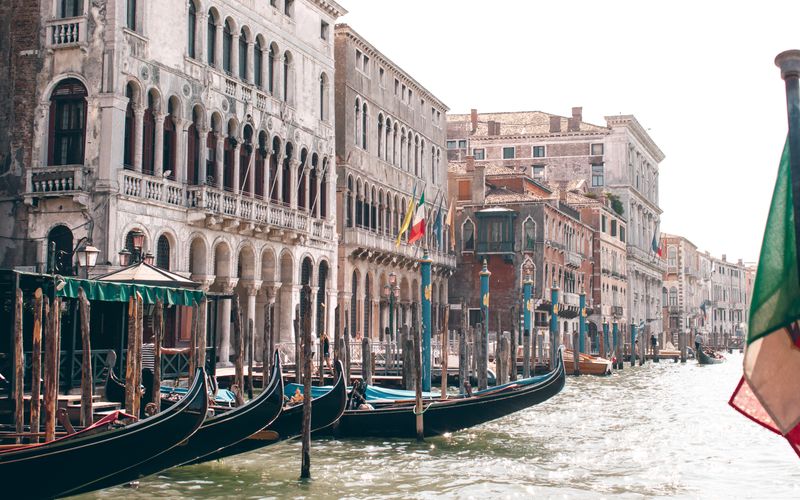
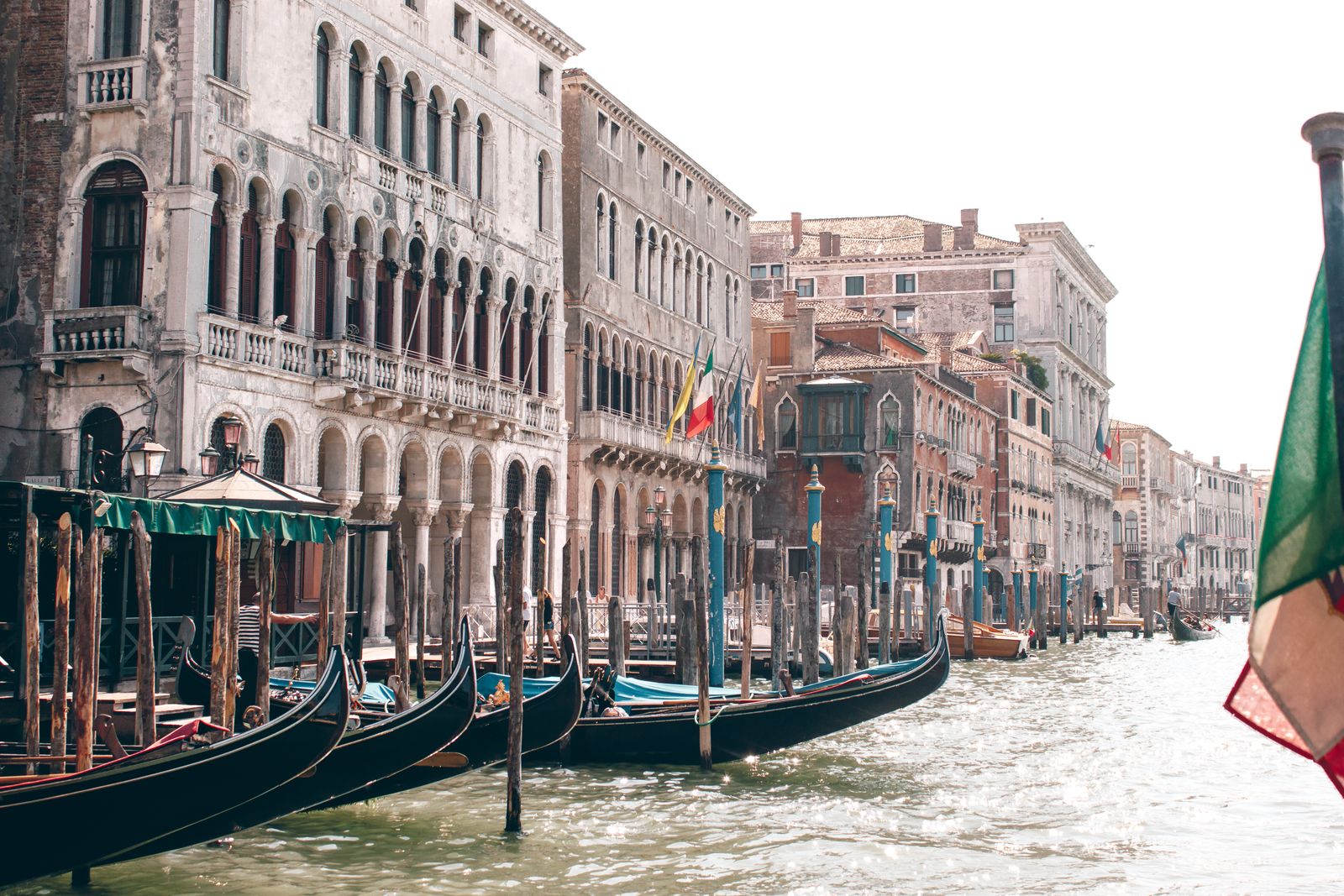
The Grand Canal is the main artery of Venice — 3.8km of palazzos, churches and bridges seen best from the water. Take Vaporetto Line 1 (the slow route, all stops) from Piazzale Roma to San Marco: 40 minutes, €9.50 with a day pass, and the most beautiful public transport ride in Europe. The Grand Canal at dawn, before the tourist boats, is something else entirely.
Buy a 24-hour vaporetto pass (€25; ACTV booth) — single tickets (€9.50) cost more after 3 trips. Line 1 from Piazzale Roma to San Marco takes 45 scenic minutes; Line 2 takes 25.

The most photographed square in Italy and genuinely worth the photograph, provided you go early. The Basilica di San Marco (free entry, queue outside) has 8,000m² of Byzantine gold mosaics. The Campanile (bell tower, €10) gives the best view of the lagoon. Doge’s Palace (€30) has the largest oil painting in the world in its main hall.
Free Basilica entry requires a timed reservation at venetoinside.com (€3). The Pala d’Oro gold altarpiece (€5) and the Treasury (€5) are the highlights most visitors miss.
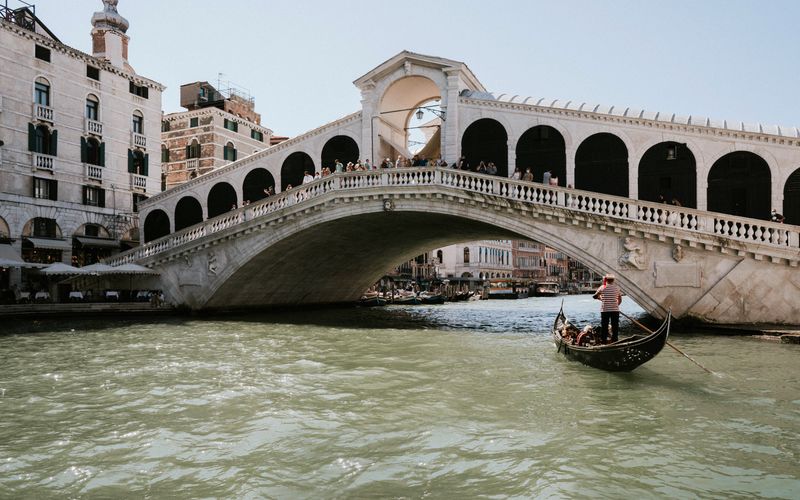
The Rialto fish market (Tuesday to Saturday morning, 7am–12pm) is how Venice has fed itself for a thousand years: lagoon fish, crab, cuttlefish and vegetables from the islands. The market is real and for locals; the souvenir stalls around it are not. The bridge itself dates from 1591 and is always crowded — cross it, then walk into the market lanes for five minutes to find a different Venice.
The Rialto fish market runs Tue–Sat 7–11am. Arrive before 9am for the best selection. The bridge is best photographed from the water — take Vaporetto 2 and shoot from the stern as you pass underneath.
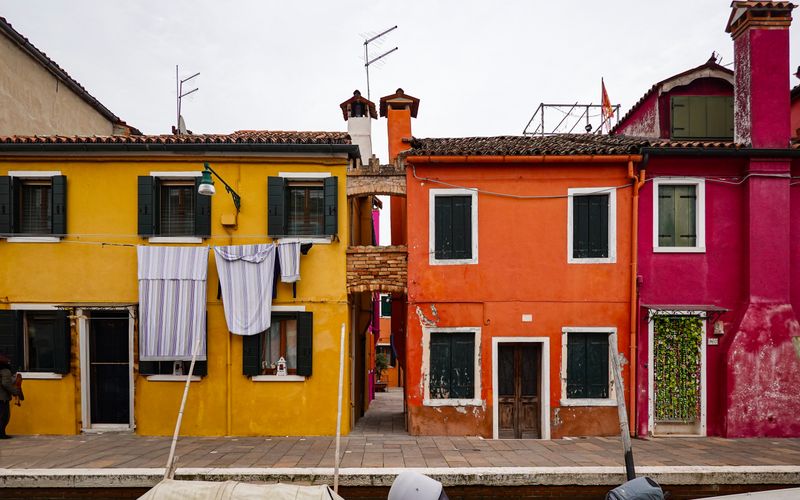
The outer lagoon islands are the correct antidote to the San Marco crowds. Murano (glassblowing workshops, free to watch) is 10 minutes. Burano (the coloured houses, a genuinely lovable village) is 40 minutes. Torcello (45 min) has the oldest building in Venice and almost nobody goes: the cathedral of Santa Maria Assunta dates from 639 AD.
Go to Torcello first (Vaporetto 12 from Fondamente Nove; 45 min) — only 12 people live there and the 7th-century mosaics in Santa Maria Assunta predate San Marco. Return via Burano then Murano.
Venetian food is not the same as Italian food. The lagoon city has its own cuisine: sarde in saor (sardines in sweet-and-sour onion marinade), baccalà mantecato (whipped salt cod, served on white polenta), risotto al nero di seppia (black risotto with cuttlefish ink). The food comes from the lagoon, which is 5km away. The restaurants that don’t serve this food are serving tourist Italian food at tourist prices — easy to identify because they have photographs in the menu and a host standing outside.
Cicchetti are the Venetian tapas: small bites eaten standing at a bacaro wine bar with a glass of prosecco or ombra (small glass of local wine, €1–2). This is how Venetians eat lunch. The correct neighbourhood for cicchetti is around the Rialto market: try Cantina Do Mori (the oldest bar in Venice) or All’Arco. The worst cicchetti are in the bars on the Piazza San Marco. The gap in quality and price between those two options is significant.
Walking is the primary mode. From Santa Lucia station to Piazza San Marco is 30 minutes on foot. The vaporetto (waterbus) network has 22 lines — a 75-minute ticket costs €9.50; a 24-hour pass €25. Line 1 runs the Grand Canal (tourist, all stops, slow); Line 2 is faster. Traghetto gondola ferries (€2) cross the Grand Canal at points where there is no bridge. Gondolas for sightseeing cost €80 for 30 minutes (standard regulated rate); mornings are slightly cheaper. Do not take a gondola expecting to go anywhere useful.
February (outside Carnival week) and October are the consensus best months: manageable crowds, mild temperatures, extraordinary light on the lagoon. Carnival doubles hotel prices and fills the city. Summer is very hot and the crowds are at maximum.
Venice has a tourist premium on accommodation — hotels cost 30–50% more than equivalent rooms on the mainland. Eating at bacari (cicchetti bars) rather than sit-down restaurants saves significantly. Per person per day, couple travelling.
Cicchetti at the Rialto bacari is the best cheap eating in Venice. €10 covers a full lunch.
The Doge’s Palace + Basilica combo ticket saves money. Book the Accademia online to skip queues.
A Grand Canal-facing room at Aman Venice or Hotel Danieli is as good as accommodation gets in Italy.
Two days minimum; four is better. Venice reveals itself gradually — the first day is geography, the second is discovery, the third is actually understanding the city.
Get lost deliberately. Pick up a vaporetto 24-hour pass and walk from Santa Lucia to San Marco on foot — it takes longer than it should because every lane looks worth following. Cicchetti dinner in Cannaregio near the Jewish Ghetto.
Walk Venice without a map for the first two hours — getting lost is the correct approach. Every dead end opens onto a canal or courtyard. Download the offline map before arrival.
Basilica di San Marco at opening (8am, small queue). Doge’s Palace (€30). Afternoon: cross to Dorsoduro — the Peggy Guggenheim Collection (€16) or the Gallerie dell’Accademia (€15, book ahead). Evening: Zattere promenade at sunset.
The Dorsoduro sestiere (Peggy Guggenheim, Gallerie dell’Accademia, Zattere waterfront) is 15 minutes from San Marco and has 80% fewer tourists.
Rialto fish market at 8am (closes by noon). Cicchetti lunch at All’Arco. Afternoon vaporetto to Murano (30 min) — watch a glassblowing demonstration. Return via Cannaregio and the Ghetto Nuovo.
Take the 8am vaporetto to the islands — Burano at 9am, Torcello at 10am, Murano by noon. The full island loop uses the same day pass as the city vaporetti.
Full morning on the outer lagoon: Torcello (45 min vaporetto, oldest building in Venice, one restaurant for lunch) then Burano (20 min from Torcello) for the afternoon. Return to Venice for a final evening on the Fondamenta delle Zattere.
The lace museum on Burano (Museo del Merletto; €5) is worth 45 minutes. The lacemaking tradition the island built its reputation on is more fragile than the Instagram pastel houses.
🛂 Entry rules: EES and ETIAS
Italy is in the Schengen area, which has two EU border systems for non-EU visitors.
EES (in force): since 10 April 2026 the EU’s Entry/Exit System registers non-EU visitors’ passport details, fingerprints and a photo the first time they enter the Schengen area, replacing passport stamps. Allow extra time at the border on your first trip; later crossings are quicker. EU, EEA and Swiss citizens are not registered.
ETIAS (not yet running): a €20 online travel authorisation for visitors who don’t need a visa, such as UK, US, Canadian and Australian citizens. It hasn’t started and no start date has been confirmed, so nobody can apply yet; ignore websites that offer to “pre-register” you for a fee.
Visa-free visitors can stay up to 90 days in any 180-day period across the whole Schengen area, not per country.
Official information: EU: Travel to Europe (EES & ETIAS) · Reviewed September 2026
High water flooding occurs October–December (sometimes January). The city posts 4 hours advance notice; acqua alta app (gratuita) shows real-time canal levels.
Venice now charges day visitors €5–10 entry on peak days (usually weekends and holidays, April–July). Check veneziaunica.it for current dates and exemptions.
Line 1 down the Grand Canal is the correct tourist experience: 40 minutes, all palazzos visible, worth it once. For any subsequent journey, take Line 2 (half the stops, faster) or walk.
The cicchetti wine bars around the Rialto market are where Venetians actually eat lunch. A glass of wine and four bites of cicchetti costs €6–10.
Burano and Murano are weekend day-trip destinations for Italians from the mainland.
Every canal crossing involves bridge steps. Wheeled luggage requires lifting at every bridge (there are 400). Pack light or use soft bags. Luggage storage is at Santa Lucia station (€6–8/day).
Connections to Venice Santa Lucia station from Rome (3h40), Florence (2h10), Milan (2h30). Day trips to Verona (1h10) and Padua (25 min).
Free
Restaurant reservations in Venice. Book Osteria alle Testiere and Alle Corone 3–5 days ahead — both fill completely.
Free
Download Venice offline. The narrow calli and canal intersections are difficult to navigate without GPS; the offline map includes all bridges and traghetto crossings.
Free
Download the Italian offline pack and use camera mode for menus and signs.
Free
Quick answers to the questions travellers most often ask before visiting Venice.
Spring (April-June) and autumn (September-October) offer the nicest weather and slightly fewer crowds. Summer is hot and packed; winter brings Carnival and occasional acqua alta (high-water flooding).
Two to three days for St Mark’s Square and Basilica, the Doge’s Palace, the Grand Canal and Rialto, a gondola ride, the outer islands of Murano and Burano, and simply getting lost in the lanes.
On foot and by vaporetto water buses along the canals; there are no cars. Water taxis and gondolas are the pricier options.
The extraordinary city built on water — St Mark’s Square and Basilica, the Grand Canal and gondolas, the Doge’s Palace and Rialto Bridge, the colourful island of Burano and glassmaking Murano, and its famous Carnival.
Discover more of Italy's great destinations.
Planning a wider trip? Our Italy travel guide covers getting there, costs, when to go and more.