
LU
Luxembourg City
A clifftop UNESCO capital of gorges and ramparts
A clifftop UNESCO capital of gorges and ramparts

The UNESCO-listed historic centre on its clifftop, a maze of honey-stone lanes, squares and the ancient walls that made this ‘the Gibraltar of the North’.
Walk the Chemin de la Corniche — called Europe’s most beautiful balcony.

The enchanting lower town in the gorge below, a riverside quarter of old houses, bridges and bars — reachable on foot or by a free public lift down the cliff.
Take the lift down from the Old Town and walk back up through the ramparts.

The city’s elegant signature bridge, arching high over the Pétrusse valley — and one of the classic Luxembourg views, with a walkway beneath it.
The park path along the valley floor gives the best photos of the arch.
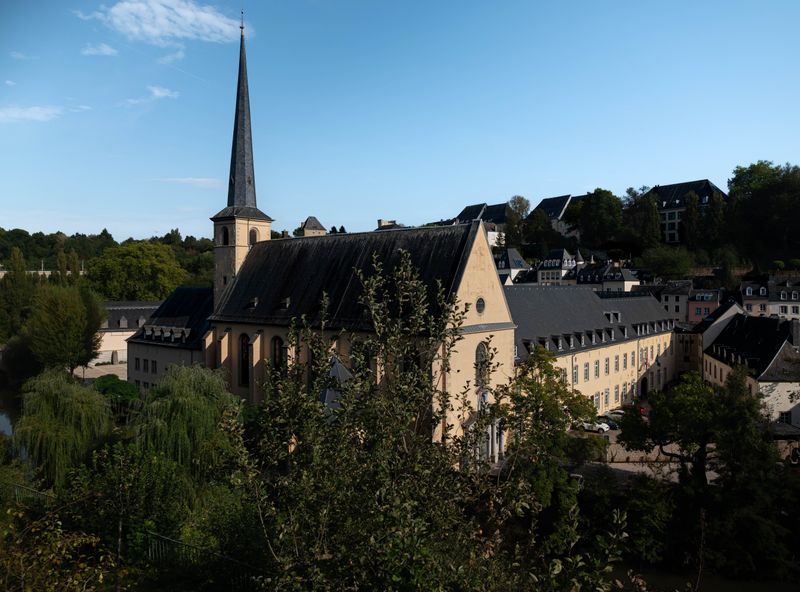
The city’s Gothic cathedral and the ornate Grand Ducal Palace, where you can watch the changing of the guard — the ceremonial heart of the tiny grand duchy.
The palace opens for guided tours in summer only — book ahead.
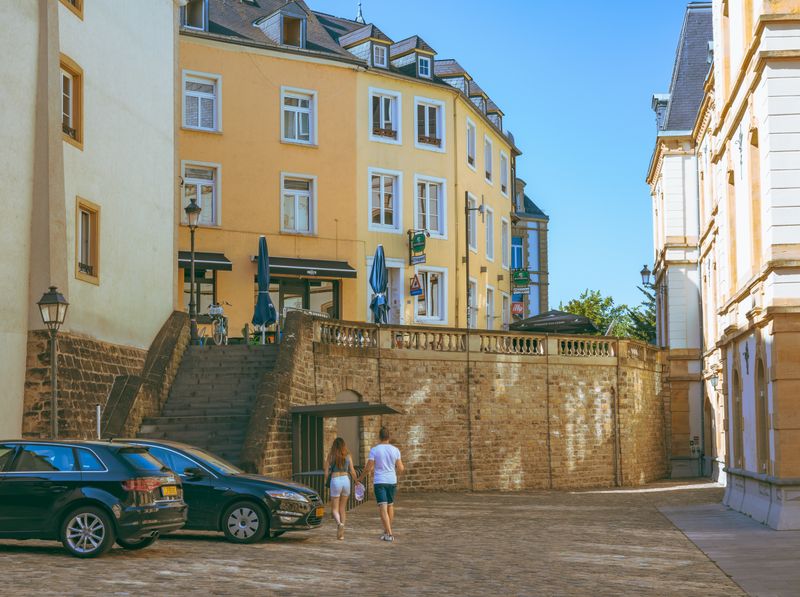
The rock-cut tunnels of the old fortress honeycomb the Bock promontory, where the city was founded — a maze of galleries with views over the gorge.
The casemates are a highlight — wear decent shoes for the passages.
Luxembourg’s kitchen sits where France, Germany and Belgium meet, and eats accordingly well. Traditional dishes are hearty: judd mat gaardebounen (smoked pork collar with broad beans, the national dish), bouneschlupp (green-bean soup), Gromperekichelcher (fried potato cakes) and freshwater fish from the Moselle. The city has a dense concentration of quality restaurants — France-level dining at business-capital prices — plus cosy Stubb taverns and a lively cafe culture. Don’t miss the crisp white and sparkling Crémant wines from the nearby Moselle valley. It is not a cheap city, but the quality is high, and the Grund is the loveliest spot for an evening drink.
Here is Luxembourg’s masterstroke: all public transport in the entire country is free — buses, trams and trains, for everyone. The modern tram glides through the city and out to the airport and Kirchberg, and the compact centre is very walkable, linked by free public lifts and the panoramic elevator down to the Grund. For day trips to Vianden or the Moselle, free trains and buses make it effortless. From the airport, the tram or bus reaches the centre in about 20 minutes — at no cost. Few capitals are this easy or cheap to move around.
The Corniche walk, the Bock Casemates, Notre-Dame and the palace, then the lift down to the Grund for the evening.
The Adolphe Bridge and Pétrusse valley in the morning, then a free train to Vianden castle or the Moselle wine towns.
The whole country’s transport is free — day trips cost nothing to reach, so range widely.
🛂 Entry rules: EES and ETIAS
Luxembourg is in the Schengen area, which has two EU border systems for non-EU visitors.
EES (in force): since 10 April 2026 the EU’s Entry/Exit System registers non-EU visitors’ passport details, fingerprints and a photo the first time they enter the Schengen area, replacing passport stamps. Allow extra time at the border on your first trip; later crossings are quicker. EU, EEA and Swiss citizens are not registered.
ETIAS (not yet running): a €20 online travel authorisation for visitors who don’t need a visa, such as UK, US, Canadian and Australian citizens. It hasn’t started and no start date has been confirmed, so nobody can apply yet; ignore websites that offer to “pre-register” you for a fee.
Visa-free visitors can stay up to 90 days in any 180-day period across the whole Schengen area, not per country.
Official information: EU: Travel to Europe (EES & ETIAS) · Reviewed September 2026
All buses, trams and trains nationwide are free for everyone — no ticket needed, ever.
Free public elevators link the Old Town to the Grund and Pfaffenthal — save your legs and enjoy the views.
Luxembourgish, French, German and often English — you will have no language trouble at all.
The Moselle valley’s sparkling wine is excellent — a short, free train ride to the vineyards.
Quick answers to the questions travellers most often ask before visiting Luxembourg City.
Yes — its clifftop UNESCO old town, dramatic gorges, the Grund quarter and the Bock Casemates make it one of Europe’s most striking small capitals. Add free nationwide transport and easy day trips, and it is a rewarding short break.
Yes — since 2020, all public transport across the entire country (buses, trams and trains) is free for everyone, residents and visitors alike. It is the first country in the world to make transport nationally free.
Two days covers the old town, the casemates, the Grund and the main sights comfortably, with time for a free train day trip to Vianden castle or the Moselle wine valley.
Accommodation and restaurants are pricey, reflecting the wealthy capital, but free transport, free entry to the casemates and old-town walks, and bakery lunches help keep costs down. It is dear but not unaffordable.
Download the Luxembourgish / French / German offline pack and use camera mode for menus and signs.
Free
The clifftop capital, the fairy-tale castle at Vianden and the ancient abbey town of Echternach — the three essential stops of the grand duchy.
Planning a wider trip? Our Luxembourg travel guide covers getting there, costs, when to go and more.