PL
Kraków
Poland's Royal Gothic Capital
Poland's Royal Gothic Capital
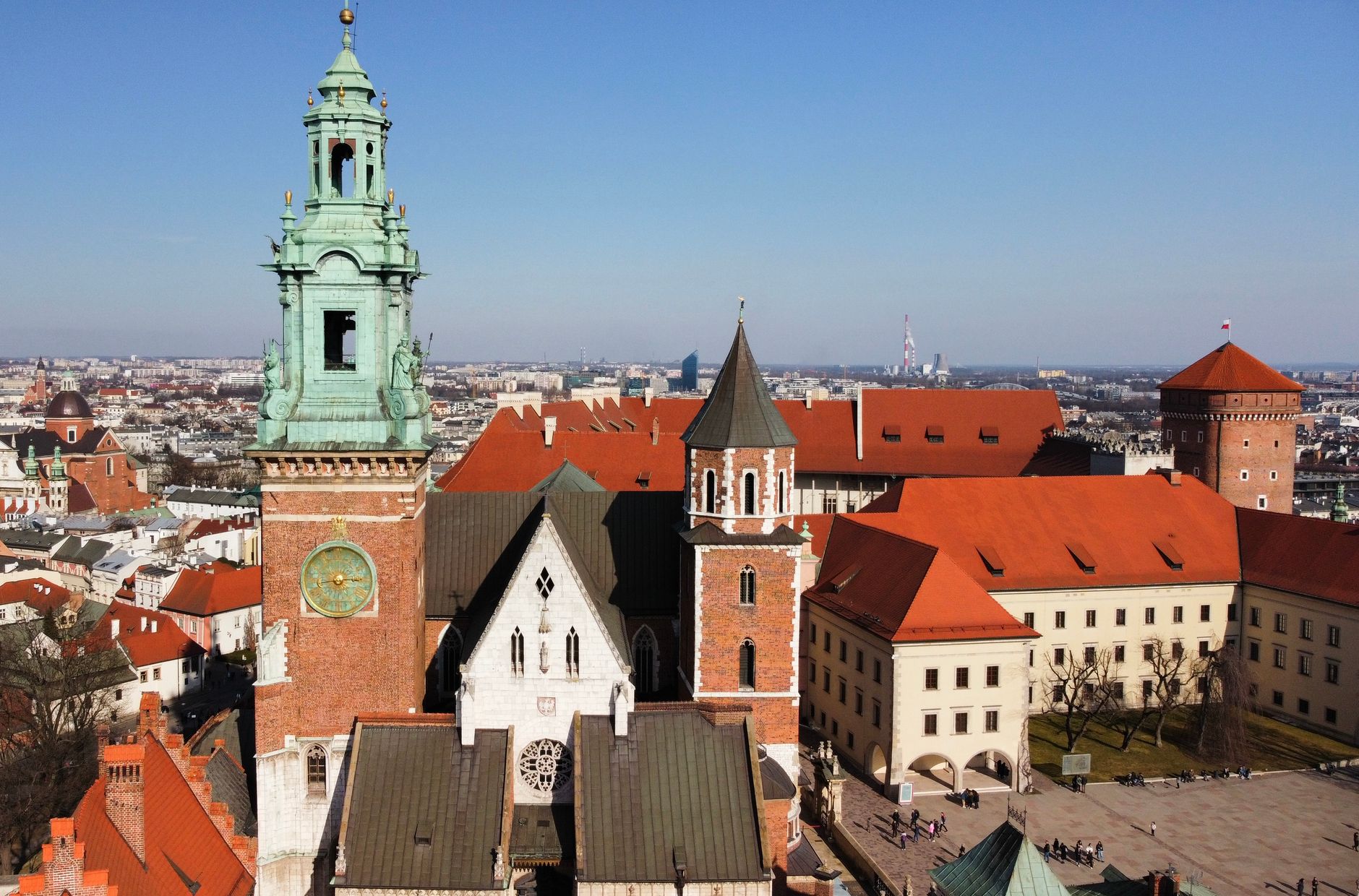
Wawel Castle (the Gothic-Renaissance royal castle of the Polish kings on the Wawel Hill above the Vistula; the State Rooms 35 zł; the Crown Treasury 30 zł; the finest collection of Flemish tapestries outside Brussels; the Dragon’s Den free to enter) and Wawel Cathedral (free to the nave; the tombs of the Polish kings; the Sigismund Bell) form the most significant royal complex in Poland.
Wawel Castle at 9am (State Rooms 35 zł; Crown Treasury 30 zł; book at wawel.krakow.pl; the finest Flemish tapestries outside Brussels) is the finest 2 hours in Kraków — the 10am groups arrive just as you finish.
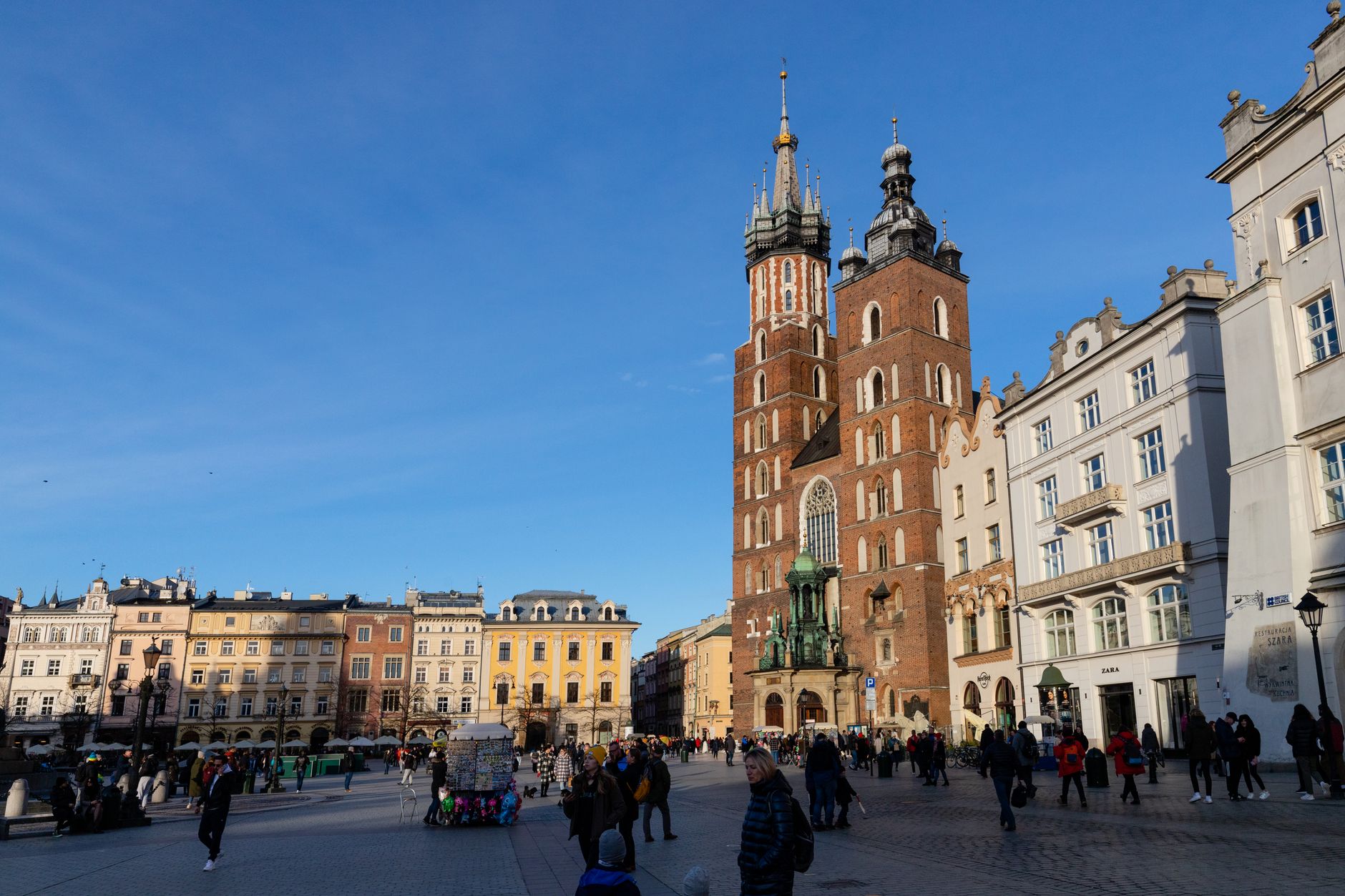
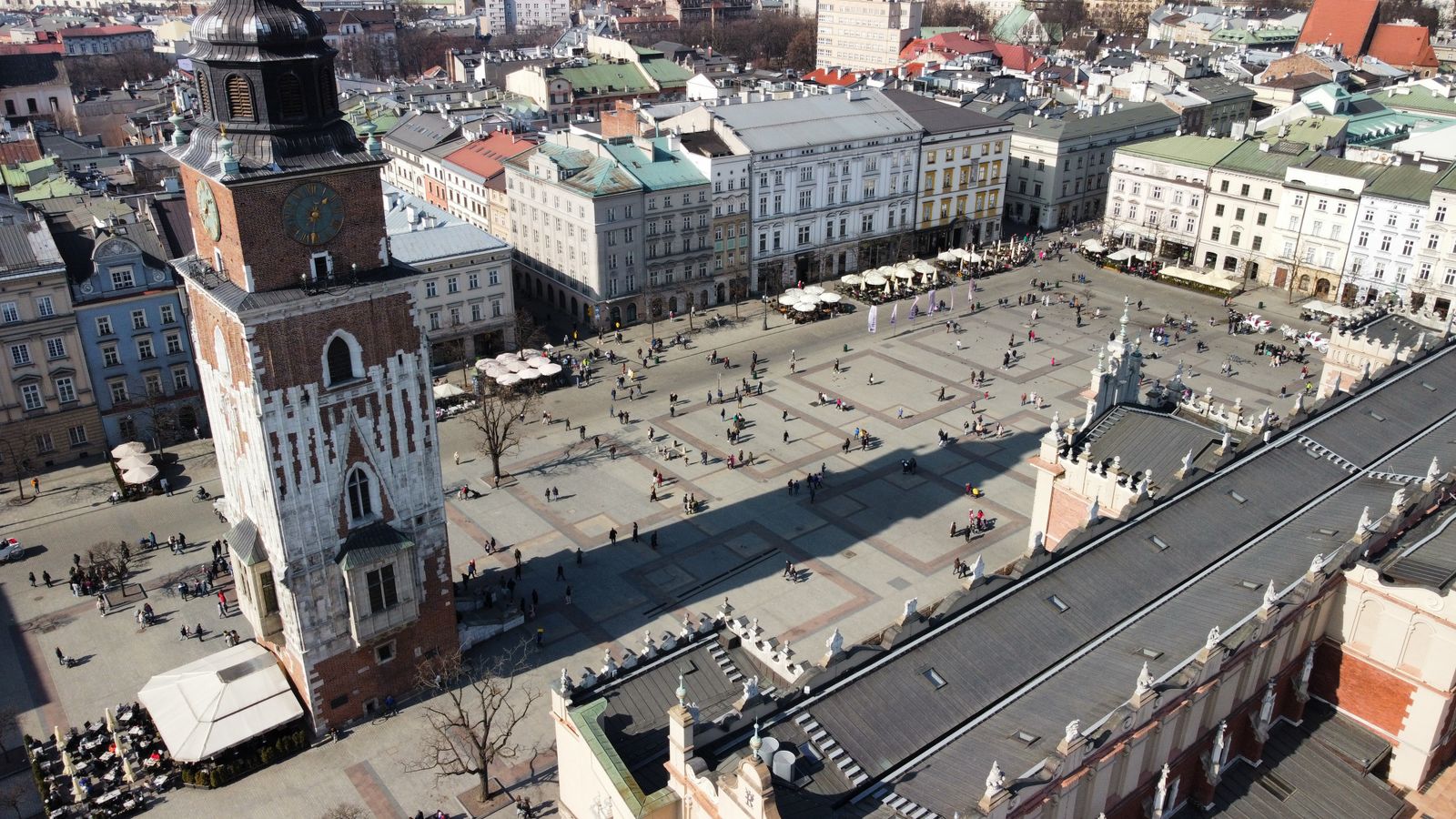
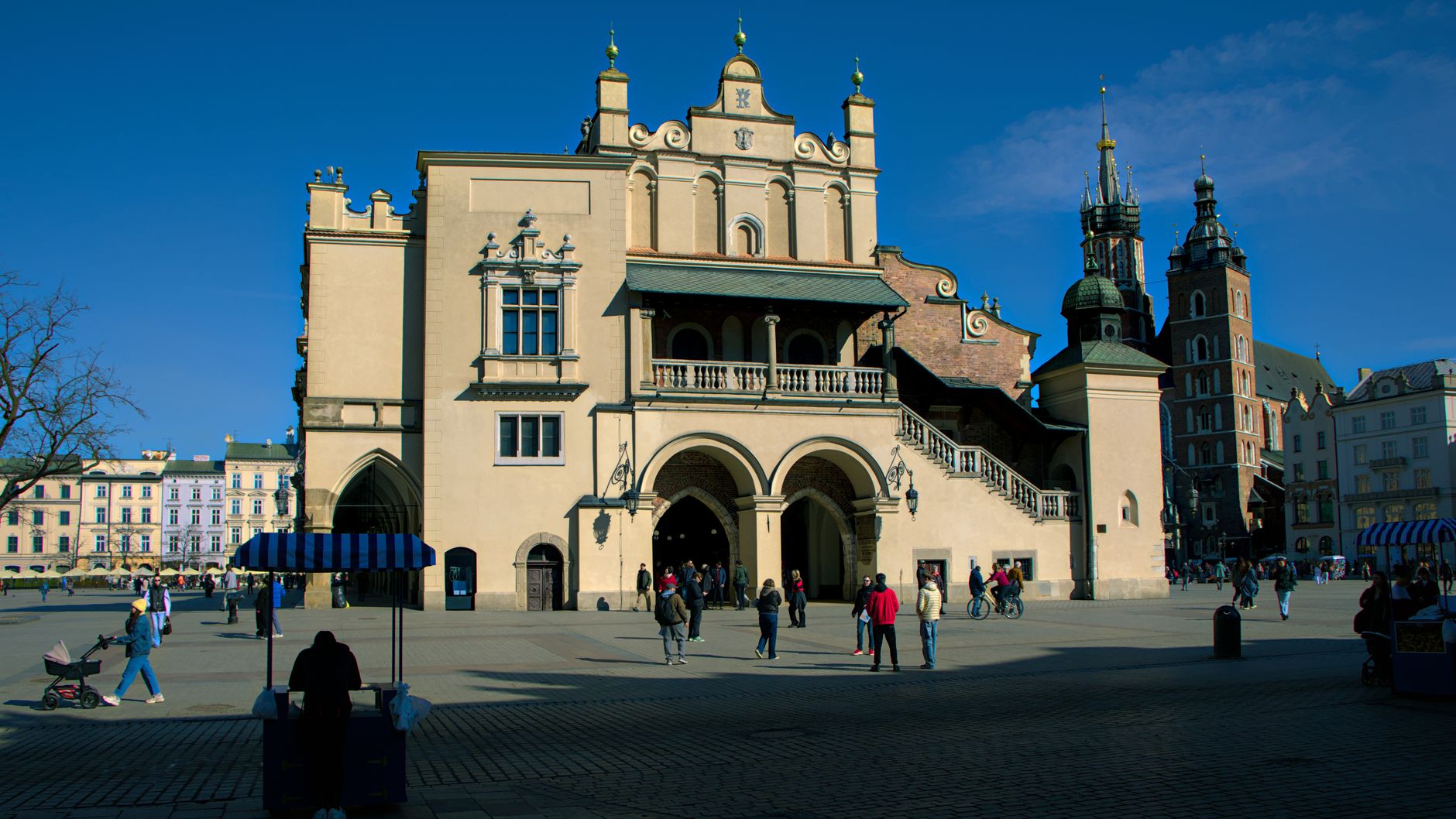
The Rynek Główny (the main market square; 200×200m; the largest medieval market square in Europe; the 14th-century Sukiennice (Cloth Hall) at the centre; St Mary’s Basilica (35 zł; the finest altarpiece in Poland — the 15m carved wood altarpiece by Veit Stoss 1477–1489; the hejnał trumpet call every hour from the highest tower) forms the finest medieval civic ensemble in Central Europe.
Rynek Główny at 6am (the largest medieval market square in Europe; 200×200m; St Mary’s Basilica; free to walk) before the 9am tourist groups is the finest free morning in Kraków.

Kazimierz (the medieval Jewish quarter of Kraków; founded 1335; the Old Synagogue — the oldest in Poland; 10 zł; the Remuh Synagogue and Renaissance cemetery; the Szeroka Street with the finest Jewish restaurant culture in Poland; the Jewish Museum) is the finest concentration of Jewish heritage in Central Europe. The filming location of Schindler’s List (1993) is in the Kazimierz and Podgórze districts.
Kazimierz (Old Synagogue 10 zł; Remuh cemetery; Szeroka Street restaurant terraces; the finest Jewish quarter in Central Europe) is best in the evening when the restaurants fill with the neighbourhood crowd.
The Collegium Maius (the Gothic courtyard of the Jagiellonian University — the second oldest university in Central Europe, founded 1364; the finest Gothic courtyard in Kraków; free to enter; the astronomical instruments collection; the 11am clock chime with the mechanical figures) is the finest single building in the Kraków Old Town outside the Rynek.
The Collegium Maius courtyard (free; the Gothic arcade of the Jagiellonian University; the 11am clock chime with the mechanical figures) is the finest free architectural experience in Kraków.
Kraków cuisine is the richest regional cooking in Poland: the zapiekanka (the open-face baguette with mushrooms, cheese and ketchup; the definitive Kraków street food; € 1.50–3 at the Plac Nowy circular market building in Kazimierz — the most important zapiekanka location in the world), the obwarzanek (the salted bread ring sold from the street carts throughout the old town; the EU-protected Kraków specialty; € 0.30–0.50; the most affordable food in Poland), the bigos (the hunter’s stew of sauerkraut, various meats and mushrooms; € 6–12; the most specifically Polish main course), and the Kraków pierogi (the filled dumplings; the ruskie filling — potato and white cheese with caramelised onion — the most popular; € 5–10 for a plate of 8–12 at any milk bar or traditional restaurant). The Kazimierz craft beer scene (€ 2.50–4 per 0.5L at the Plác Nowy area bars; the most affordable craft beer in Central Europe) and the klezmer music restaurants (the traditional Jewish folk music performances in the Kazimierz restaurants; € 0 for the music with a dinner; the most atmospheric Kraków evening) define the Kraków food and nightlife identity.
Auschwitz-Birkenau Memorial (book at auschwitz.org; guided entry mandatory 10am–3pm April–October; independent access before 10am and after 3pm) requires online booking weeks ahead.
The Hejnal (the trumpet signal from St Mary’s Basilica tower every hour; most dramatic at noon when the bugler faces all 4 directions; free; the Main Market Square below fills with people) is the finest free Kraków moment.
Auschwitz-Birkenau (70km west; the largest and most lethal of the Nazi concentration camp complexes; UNESCO; mandatory guided tour between 10am and 3pm from 185 zł with transport from Kraków).
Wawel Royal Castle tickets (wawel.krakow.pl; separate tickets per section; State Rooms + Crown Treasury is the best combination; queues without pre-booking in peak season are 1–2 hours) should be bought online.
Kraków is a joy to get around, mostly on foot. The compact Old Town and Kazimierz are walkable and largely pedestrianised, ringed by the leafy Planty park. Beyond that, an excellent network of trams and buses (run by MPK) is cheap and frequent, and the Bolt and Uber ride apps are inexpensive and everywhere. Poland has a good train network too: fast trains link Kraków with Warsaw in about 2.5 hours. For Auschwitz-Birkenau, the Wieliczka Salt Mine or the mountains, buses, tours or a hired car work well (Poland drives on the right). Kraków’s airport at Balice is about 20-30 minutes from the centre by train or bus. Note that Poland uses the złoty (PLN), not the euro.
May–Jun is ideal (warm; outdoor cafés; manageable crowds). Sep–Oct: golden autumn, the best photography light on the Wawel. Dec: the finest Christmas market in Poland.
Day 1: Old Town and the Wawel. Day 2: Kazimierz and the Jewish heritage. Day 3: Auschwitz-Birkenau.
Rynek Główny at 6am (free; the market square before the crowds). Wawel Castle at 9am (State Rooms 35 zł; Crown Treasury 30 zł; book ahead). St Mary’s Basilica (35 zł; the Veit Stoss altarpiece). Collegium Maius courtyard at 11am (free).
Auschwitz-Birkenau must be booked online at auschwitz.org — the mandatory group tour between 10am and 3pm requires timed entry tickets that sell out weeks ahead in summer. The bus from Kraków bus station (1.5h each way; 20 zł return) avoids the organised tour markup for those arriving outside the group tour hours.
Kazimierz (Old Synagogue 10 zł; Remuh cemetery; Szeroka Street). Schindler’s Factory Museum in Podgórze (35 zł; the finest Second World War museum in Poland). Kazimierz restaurants in the evening (żurek, pierogi, bigos).
The Wieliczka Salt Mine (15km southeast; 145 zł; the Chapel of St Kinga at 101m underground; book at wieliczka-saltmine.com) requires a 2.5h guided tour — combine with an afternoon back in Kraków for the best use of a full day.
Auschwitz-Birkenau (70km west; mandatory guided tour; 185 zł with transport; book at auschwitz.org at least 2 weeks ahead in summer). Allow the full day.
The Kraków Obwarzanek (ring bread; 2.50 zł from the cart vendors) is the most distinctively Kraków street food — the cart vendors are a registered cultural heritage of the city and must be licensed to operate.
Kraków is one of the most affordable major European historic cities. The obwarzanek costs € 0.50; the Wawel Cathedral € 5; the Auschwitz entry is free. Per person per day.
The Polish milk bar (bar mleczny; the communist-era subsidised canteen still operating in the Kraków old town; the U Stasi at Grodzka 45 or the Milk Bar Tomasza; the pierogi ruskie at € 2–4 for a full plate; the barszcz)
The Wawel State Rooms (€ 10; the finest Renaissance interior in Poland; the 142 surviving Flemish tapestries commissioned by Sigismund Augustus in the 1550s; the most important single collection of Renaissance decorative art in)
The Wierzynek restaurant (Rynek Główny 15; the oldest restaurant in Poland, established 1364 by the merchant Mikołaj Wierzynkek who hosted the banquet for five European kings in 1364; the Market Square upper-floor dining room with the view)
🛂 Entry rules: EES and ETIAS
Poland is in the Schengen area, which has two EU border systems for non-EU visitors.
EES (in force): since 10 April 2026 the EU’s Entry/Exit System registers non-EU visitors’ passport details, fingerprints and a photo the first time they enter the Schengen area, replacing passport stamps. Allow extra time at the border on your first trip; later crossings are quicker. EU, EEA and Swiss citizens are not registered.
ETIAS (not yet running): a €20 online travel authorisation for visitors who don’t need a visa, such as UK, US, Canadian and Australian citizens. It hasn’t started and no start date has been confirmed, so nobody can apply yet; ignore websites that offer to “pre-register” you for a fee.
Visa-free visitors can stay up to 90 days in any 180-day period across the whole Schengen area, not per country.
Official information: EU: Travel to Europe (EES & ETIAS) · Reviewed September 2026
Ride-hailing with upfront fares, where available in Kraków.
Free
Kraków restaurant discovery with Kazimierz Jewish Quarter, Stare Miasto Old Town, and traditional Polish cuisine filtering.
Free
Download the Kraków offline map before arrival — the Stare Miasto’s medieval lanes and the Kazimierz district require offline navigation.
Free
Download the Polish offline pack and use camera mode for menus and signs.
Free
Quick answers to the questions travellers most often ask before visiting Krakow.
Late spring to early autumn (May-September) is mildest and liveliest, and December brings a magical Christmas market. Winters are cold but atmospheric.
Two to three days for the vast Main Market Square, Wawel Castle, the Old Town and the Kazimierz quarter, plus sobering day trips to Auschwitz-Birkenau and the Wieliczka Salt Mine.
The compact Old Town is very walkable, backed by an efficient tram and bus network. No car needed.
One of Europe’s best-preserved medieval cities (a UNESCO site) — the huge Main Market Square, the royal Wawel Castle, the historic Kazimierz Jewish quarter, and the deeply moving day trips to Auschwitz-Birkenau and the Wieliczka Salt Mine.
Explore more of Poland’s extraordinary cities and landscapes.
Planning a wider trip? Our Poland travel guide covers getting there, costs, when to go and more.