
PL
Wrocław
The City of a Hundred Bridges
The City of a Hundred Bridges

The Rynek (the 174×214m Gothic-Baroque market square; the finest Gothic Town Hall in Poland (1327–1504; 10 zł for the museum); the Jaś i Małgosia houses (the two 18th-century Baroque houses connected by a Gothic arch); the 350+ bronze gnomes hidden throughout the square and the city) is the finest market square in Poland outside Kraków.
Rynek at 6am (the Gothic Town Hall (10 zł museum); the Jaś i Małgosia houses; the morning light on the finest market square in Poland outside Kraków; the gnomes on their plinths from 8am).

Ostrów Tumski (the Cathedral Island; the oldest part of Wrocław (settled 10th century); the Gothic Cathedral of St John the Baptist (the tower climb 20 zł; the finest Oder River panorama); the Church of the Holy Cross; the gas lamps lit at dusk by the lamplighter; the most atmospheric evening walk in Wrocław) is the finest 30-minute free walk in Poland.
Ostrów Tumski gas lamps at dusk (free; the Cathedral Island; the lamplighter; the most atmospheric evening walk in Wrocław) — arrive 20 minutes before sunset.

The Panorama Racławicka (the 114m circular panoramic painting of the 1794 Battle of Racławice; the finest panoramic painting in the world; 40 zł; open Tue–Sun; the 15m high × 114m circumference canvas viewed from a central platform; book at panoramaraclawicka.pl in summer) is the finest single attraction in Wrocław.
Panorama Racławicka (40 zł; Tue–Sun; the finest panoramic painting in the world; book at panoramaraclawicka.pl; timed entry sells out in summer).
The Centennial Hall (Hala Stulecia; the 1913 reinforced concrete dome by Max Berg; UNESCO 2006; the 95m dome; the Japanese Garden (free) in the Szczytnicki Park behind it; 15 min by tram from the Rynek) is the finest piece of pre-war modernist architecture in Central Europe.
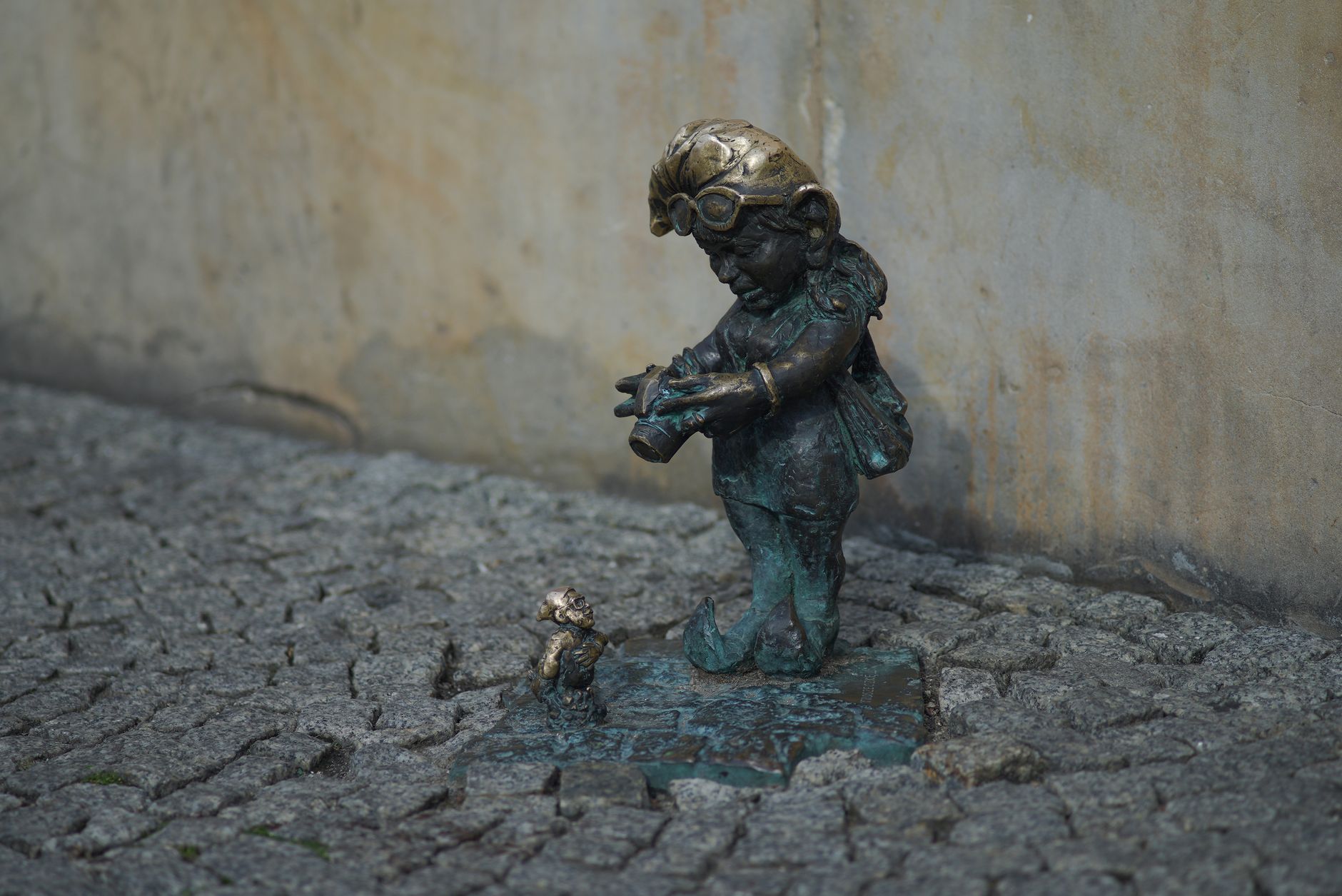
Wrocław gnome hunt (350+ bronze gnomes; the free Gnome Map from the Tourist Information Centre; 25–30 gnomes in 2h) is the finest urban treasure hunt in Europe.
Wrocław has the most dynamic restaurant and bar scene of any Polish city outside Warsaw: the pierogi (the stuffed dumplings; the most ubiquitous Polish dish; the Wrocław interpretation at the Pierogarnia Stary Młyn with the duck and cherry pierogi — the most sophisticated single pierogi filling in Poland; 18–35 PLN per portion); the biała kiełbasa (the white sausage in the beer broth; the most specifically Wrocław pub food; 15–25 PLN); the Piast beer (the Silesian regional beer; the most historically local Wrocław brand; 8–14 PLN per 0.5L); and the grzaniec gałicyjski (the Galician mulled wine at the Christmas market; 12–18 PLN; the most specifically seasonal Wrocław drink). The Piwnica Świdnicka beneath the Town Hall (the oldest restaurant in Poland; 1275; the most historically significant address in Wrocław), the Mleczarnia café in Kazimierz-style (the Rynek area; the most atmospheric café), and the Przedwiośnie restaurant (the contemporary Polish cuisine; 40–70 PLN pp) define the Wrocław food culture.
The Rynek (the 174×214m Gothic-Baroque market square; the finest Gothic Town Hall in Poland (the 1327–1504 edifice; 10 zł for the museum; the Wrocław Historical Museum inside); the Ja&sacute).
Ostrów Tumski (the Cathedral Island; the oldest part of Wrocław; the Gothic Cathedral; the lamplighter who lights gas street lamps at dusk; free to walk; best at 8–9pm in summer) is the finest evening in Wrocław.
The Panorama Racławicka (the 114m circular painting of the 1794 battle; PLN 45; book at panoramaraclawicka.pl; hourly English tours; closed Monday) sells out in peak season. Always book online in advance.
Piwnica Świdnicka (Rynek 1; the oldest restaurant in Poland, operating since 1275; traditional Polish cuisine; the underground medieval vault; PLN 50–90 per main; popular — book ahead for dinner).
Wrocław is compact and easy, with a beautiful walkable Old Town around the Market Square and Cathedral Island. A dense, cheap network of trams and buses covers the rest of the city, and the Bolt and Uber apps are inexpensive. Poland’s train network links Wrocław with Kraków, Warsaw and Berlin across the border. A car isn’t needed in the centre (Poland drives on the right). Wrocław’s airport is about 20-30 minutes out, with an airport bus. Poland uses the złoty (PLN), not the euro.
May–Jun for the best weather and the outdoor Rynek season. Sep–Oct for the cultural events and the Japanese Garden autumn colours. Nov–Dec for the finest Christmas market in western Poland.
Day 1: Rynek gnome hunt, Town Hall, Panorama Racławicka, gas-lamp Ostrów Tumski at dusk. Day 2: Centennial Hall, Japanese Garden, and the best of the food scene.
Rynek at 6am (the Gothic Town Hall; the Jaś i Małgosia houses; the morning light). Gnome hunt through the Old Town (the free map; 25–30 gnomes in 2h). Panorama Racławicka (40 zł; book ahead). Ostrów Tumski gas lamps at dusk (free).
Wrocław is 3.5h by train from Warsaw (from 49 zł by IC Express) and 3h from Kraków (from 39 zł) — the finest 2-night addition to either Poland itinerary.
Centennial Hall (15 min by tram; the 1913 UNESCO dome; the Japanese Garden (free) in Szczytnicki Park). Świdnicka Street beer cellars and Jatki craft beer bars in the evening.
The Panorama Racławicka timed entry (40 zł; book at panoramaraclawicka.pl) sells out weeks ahead in summer — book the earliest available slot (9am or 10am) to start with the painting before the afternoon groups.
Wrocław is one of the most affordable cities in Central Europe. A full day of cultural sights (Panorama + Cathedral tower + Japanese Garden) costs under € 15 pp. Per person per day.
The gnome trail (free; the Krasnale Wrocławskie app; 400+ gnomes; the most entertaining free urban activity in Poland) combined with the Ostrów Tumski gas-lamp evening walk.
The Piwnica Świdnicka under the Town Hall (the oldest restaurant in Poland; in continuous operation since 1275; the bigos stew and the grzaniec mulled wine; 40–70 PLN pp; the most historically significant single meal in any)
Restauracja Jadka (the finest contemporary Polish cuisine in Wrocław; the tasting menu; 80–150 PLN pp; the locally sourced Silesian ingredients; the duck, the wild mushrooms, the crayfish from the Oder; the most refined single)
🛂 Entry rules: EES and ETIAS
Poland is in the Schengen area, which has two EU border systems for non-EU visitors.
EES (in force): since 10 April 2026 the EU’s Entry/Exit System registers non-EU visitors’ passport details, fingerprints and a photo the first time they enter the Schengen area, replacing passport stamps. Allow extra time at the border on your first trip; later crossings are quicker. EU, EEA and Swiss citizens are not registered.
ETIAS (not yet running): a €20 online travel authorisation for visitors who don’t need a visa, such as UK, US, Canadian and Australian citizens. It hasn’t started and no start date has been confirmed, so nobody can apply yet; ignore websites that offer to “pre-register” you for a fee.
Visa-free visitors can stay up to 90 days in any 180-day period across the whole Schengen area, not per country.
Official information: EU: Travel to Europe (EES & ETIAS) · Reviewed September 2026
Wrocław restaurant and bar discovery with Rynek Old Town, Świdnicka Street beer cellars, and Jatki craft beer filtering.
Free
Download the Wrocław offline map before arrival — the gnome hunt through the Old Town lanes and Ostrów Tumski require offline navigation.
Free
Download the Polish offline pack and use camera mode for menus and signs.
Free
Book tours, day trips and skip-the-line tickets in and around Wrocław.
Free
Quick answers to the questions travellers most often ask before visiting Wroclaw.
Late spring to early autumn is mildest and best for the squares and river; December brings a lovely Christmas market. Winters are cold.
One to two days for the colourful Market Square and Old Town, Cathedral Island, the canals, the UNESCO Centennial Hall, and hunting for the city’s famous little dwarf statues.
The centre is very walkable, backed by trams. No car needed.
A charming Polish city on the Oder — a colourful Market Square, the historic Cathedral Island, many canals and bridges (the “Venice of Poland”), the hundreds of tiny bronze dwarf statues dotted around town, and the UNESCO-listed Centennial Hall.
Explore more of Poland’s extraordinary cities and landscapes.
Planning a wider trip? Our Poland travel guide covers getting there, costs, when to go and more.