VN
Hoi An
The Lantern Town
The Lantern Town
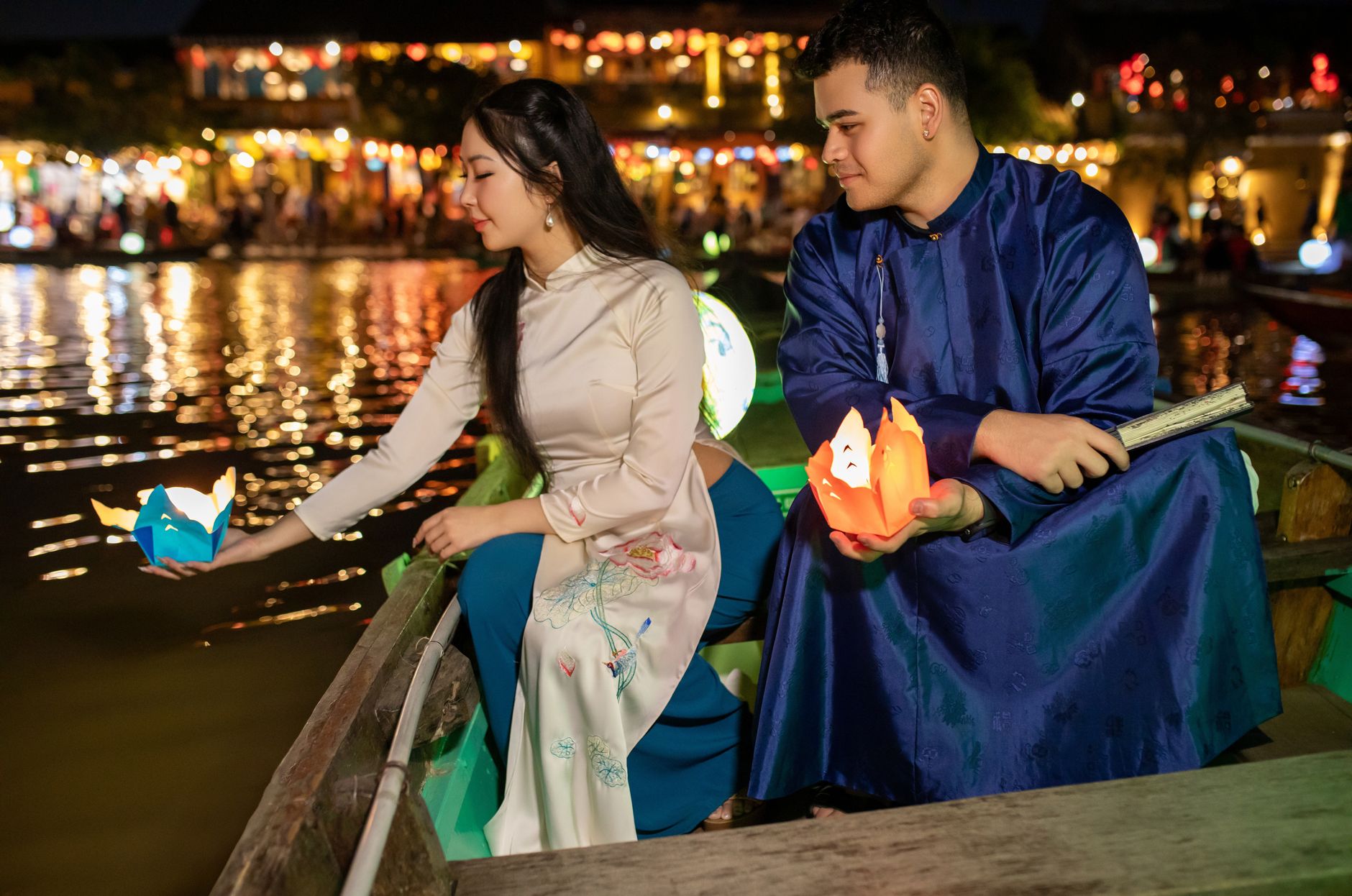
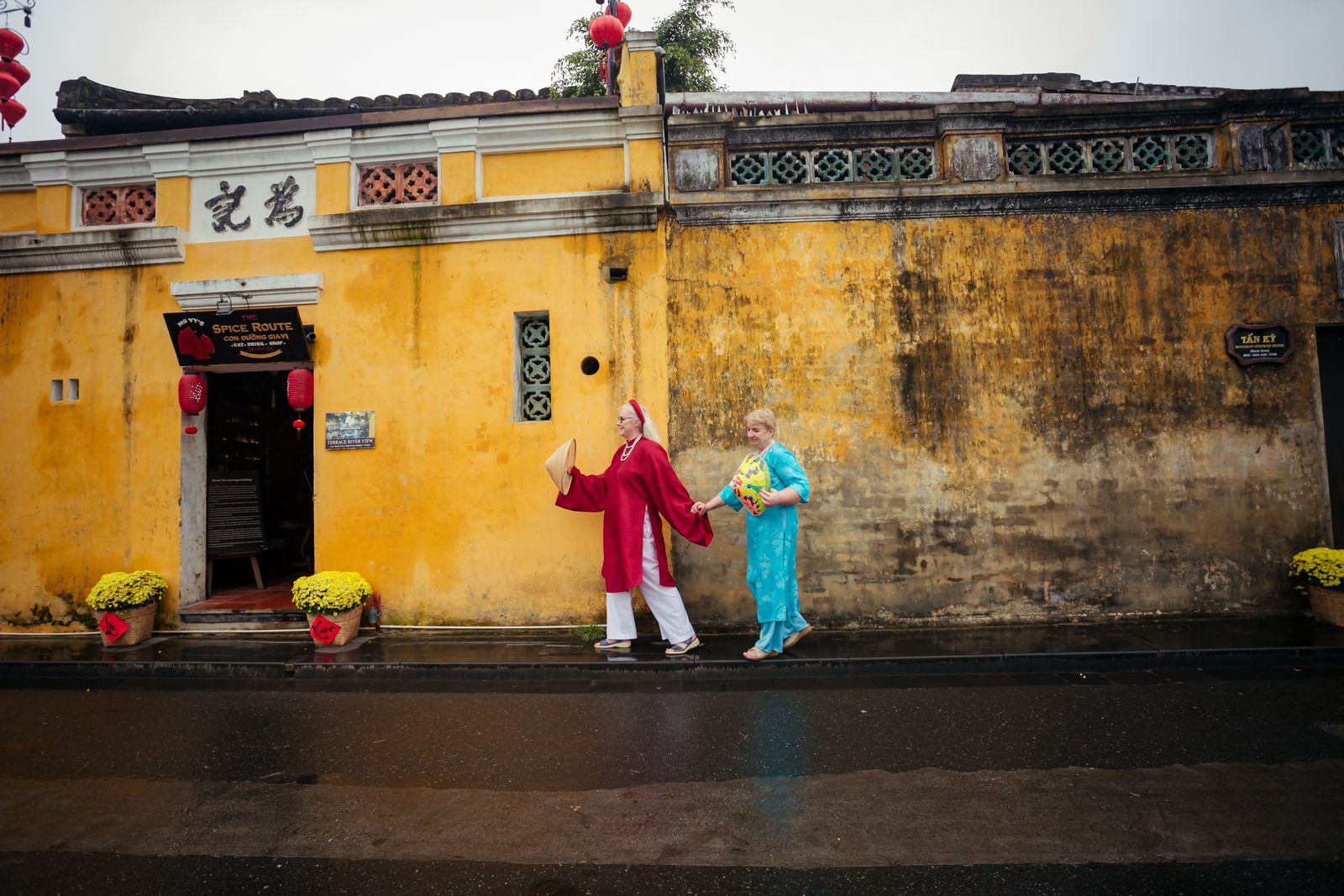
Hoi An old town after 6pm — lanterns lit, motorcycles banned, the Thu Bon River reflecting a thousand lights — is the finest evening in Vietnam. The town was a major international trading port from the 15th to 19th centuries; the yellow-plaster merchant houses of that era line every street.
💡 The Ancient Town is best at 6–7am when the lanterns are still lit but the day-trippers haven’t arrived from Da Nang. The Japanese Bridge, Phuc Kien Assembly Hall, and river walk are all free at this hour.
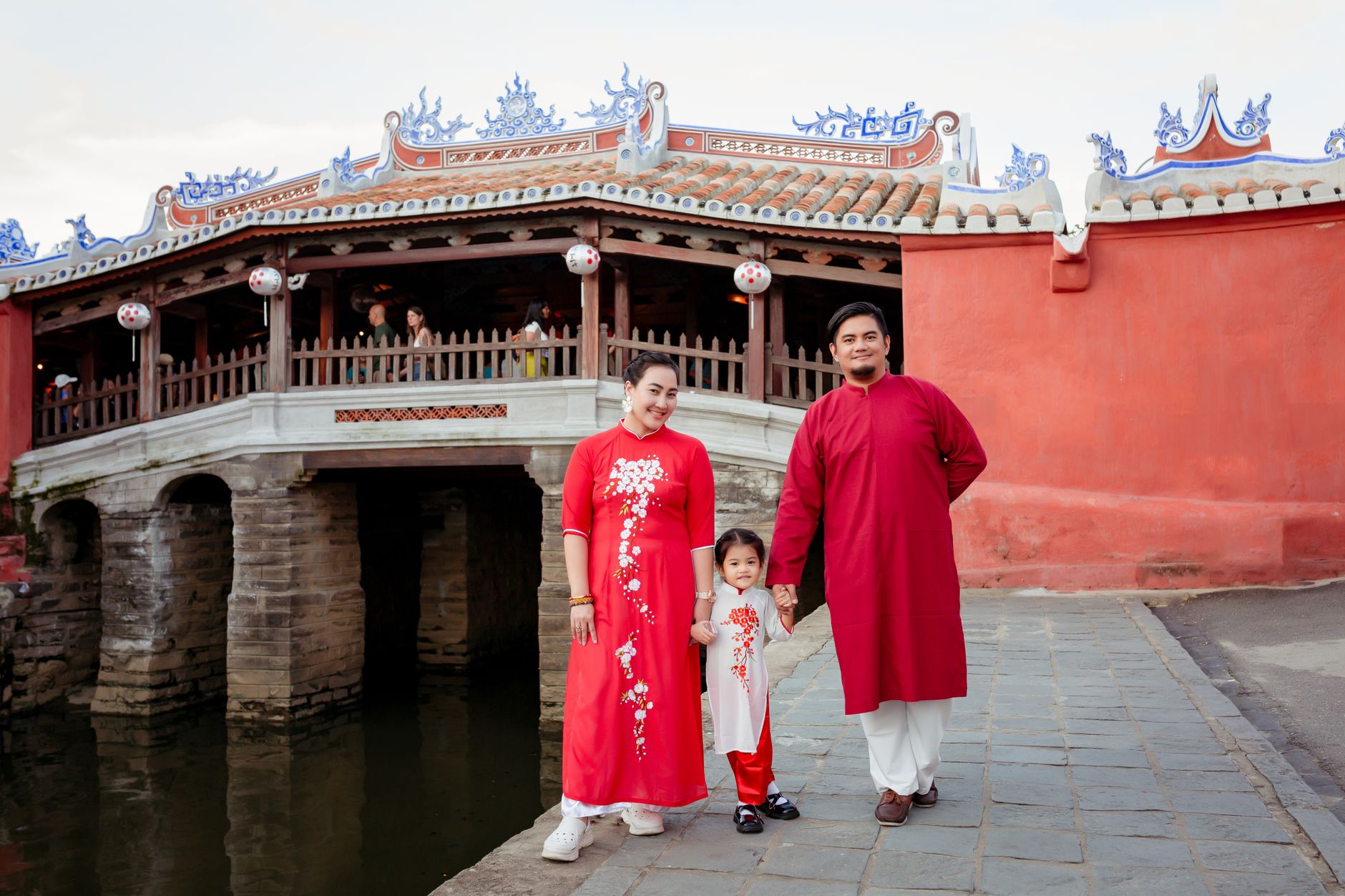
The Japanese Covered Bridge was built in 1593 to connect the Japanese and Chinese merchant quarters. The shrine inside is dedicated to the northern sea deity. The most photographed structure in Hoi An, best at dawn before the lantern-sellers arrive.
💡 The Japanese Covered Bridge is busiest between 10am and 2pm — visit before 8am or after 5pm when the light is better and the crowd thins. The interior shrine is always open and always quiet.
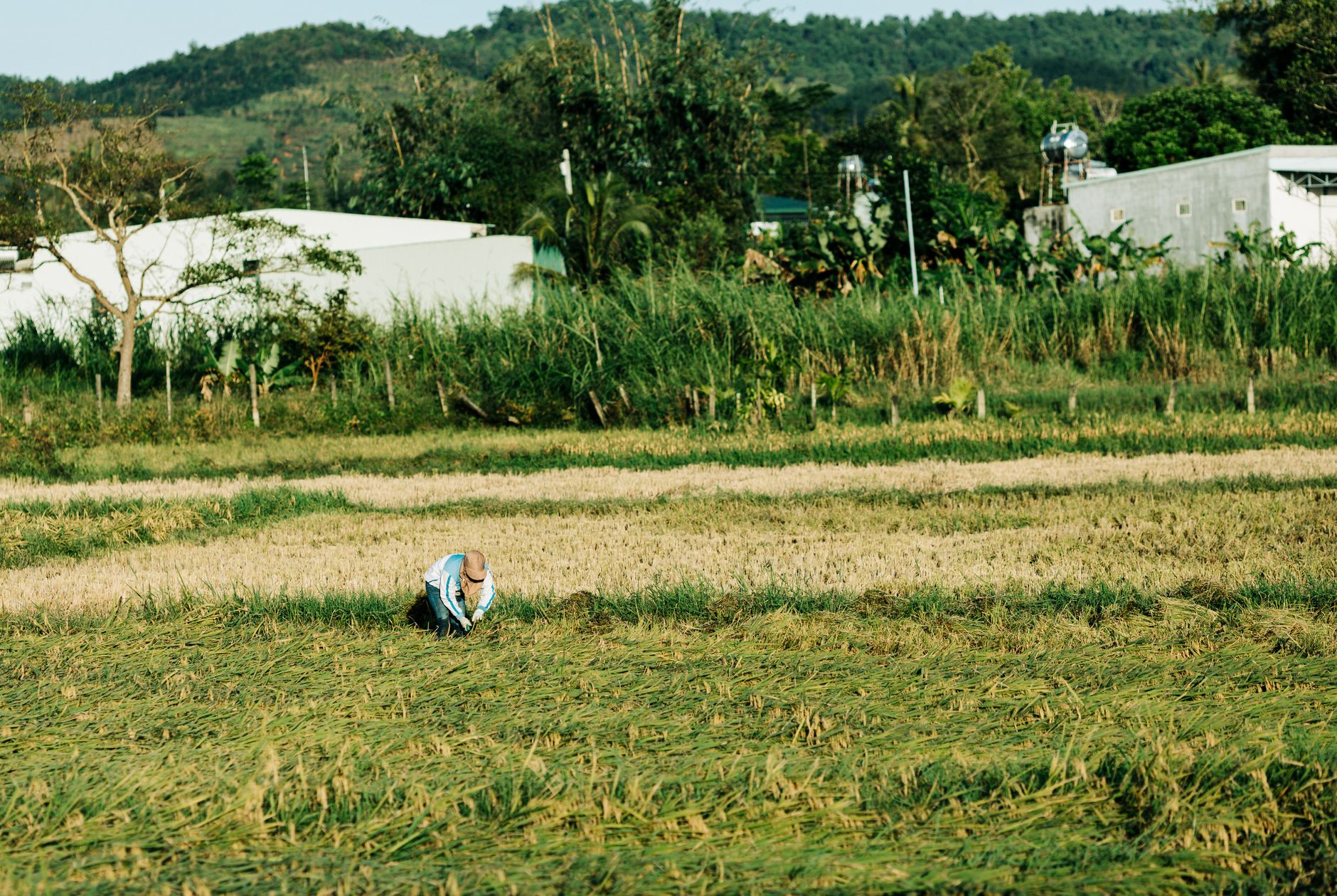
The 4km back-road cycle from Hoi An old town to An Bang Beach passes through vegetable farms, paddy fields, and the quiet lanes of the Thu Bon delta — the finest countryside cycling in central Vietnam. The beach itself is less developed than Da Nang and far calmer.
💡 The back-road cycle to An Bang Beach (4km; flat; 20 min) uses the village lanes east of the old town rather than the highway — ask the hotel for the village route map and stop at Cam Nam Island on the way back.
An Bang Beach, 4km east of the old town, is the finest beach within cycling distance of a UNESCO Heritage site — 10km of sand, a row of wooden beach bar-restaurants, and none of the high-rise development of Da Nang. Hire a sun lounger for ₫50,000 and stay the afternoon.
💡 An Bang Beach sun loungers cost ₫50,000 from any beachfront restaurant — the charge usually comes off your first drink order. The northern end of the beach is the quietest section.
Hoi An has the most celebrated and most specifically local food culture in central Vietnam: the cao lầu (the rice noodle dish unique to Hoi An — the noodles are made with water from a specific ancient Cham well in the town; the char siu pork slices; the crispy rice cracker; the herb plate; available only in Hoi An; at the Cao Lau Thanh restaurant on Tran Phu Street or the market stalls; VND 40,000–60,000), the white rose dumplings (Bánh Bao Vạc; the steamed rice paper dumplings filled with shrimp; shaped like a white rose; made by a single family in Hoi An who supply all the restaurants; VND 40,000–80,000 for a plate), the Quang noodles (mì Quảng; the turmeric-tinted rice noodles with prawn, pork, herbs and a small amount of broth; the Quang Nam province specialty; at the Mì Quảng restaurants on the market periphery; VND 30,000–50,000), and the morning Bánh Mỳ Phuong (the Hoi An banh mi — the sandwich praised by Anthony Bourdain as the best banh mi in the world; 2B Phan Chau Trinh Street; VND 25,000–35,000; the queue at 7am; arrive before 9am; closed when sold out) make Hoi An the most culinarily specific destination in Vietnam.
Hoi An is best navigated by bicycle: the Ancient Town is flat and the distances between the main sights (the Japanese Bridge, the Assembly Halls, the river front, the Cam Nam island, the Tra Que vegetable garden) are all within 1–3km. Bicycle hire (VND 30,000–60,000/day from any hotel or rental shop in the Ancient Town; electric bicycles VND 80,000–120,000/day for the My Son or beach circuit) is the standard transport. Within the inner Ancient Town zone (the pedestrianised area) all motorised transport is prohibited from 8am to 9pm; visitors either walk or use the cycle-rickshaw (cyclo) for short distances. Grab operates in Hoi An for the Da Nang Airport transfer (30km; VND 150,000–250,000) and longer journeys. The Thu Bon River boat (from the Hoi An quay; VND 20,000–50,000 per ride; for the riverside restaurants on the Cam Nam bank and the coconut boat village) is the most enjoyable short journey.
Allow at least 48 hours and one fitting for anything made by a tailor — same-day orders produce poor results.
Cao lau is a Hoi An-specific noodle dish — thick ash-soaked noodles with pork, greens, and crispy rice crackers, made with water from a particular well.
The Lantern Festival falls on the 14th night of the lunar month — the old town switches off electric lights and floats paper lanterns on the river.
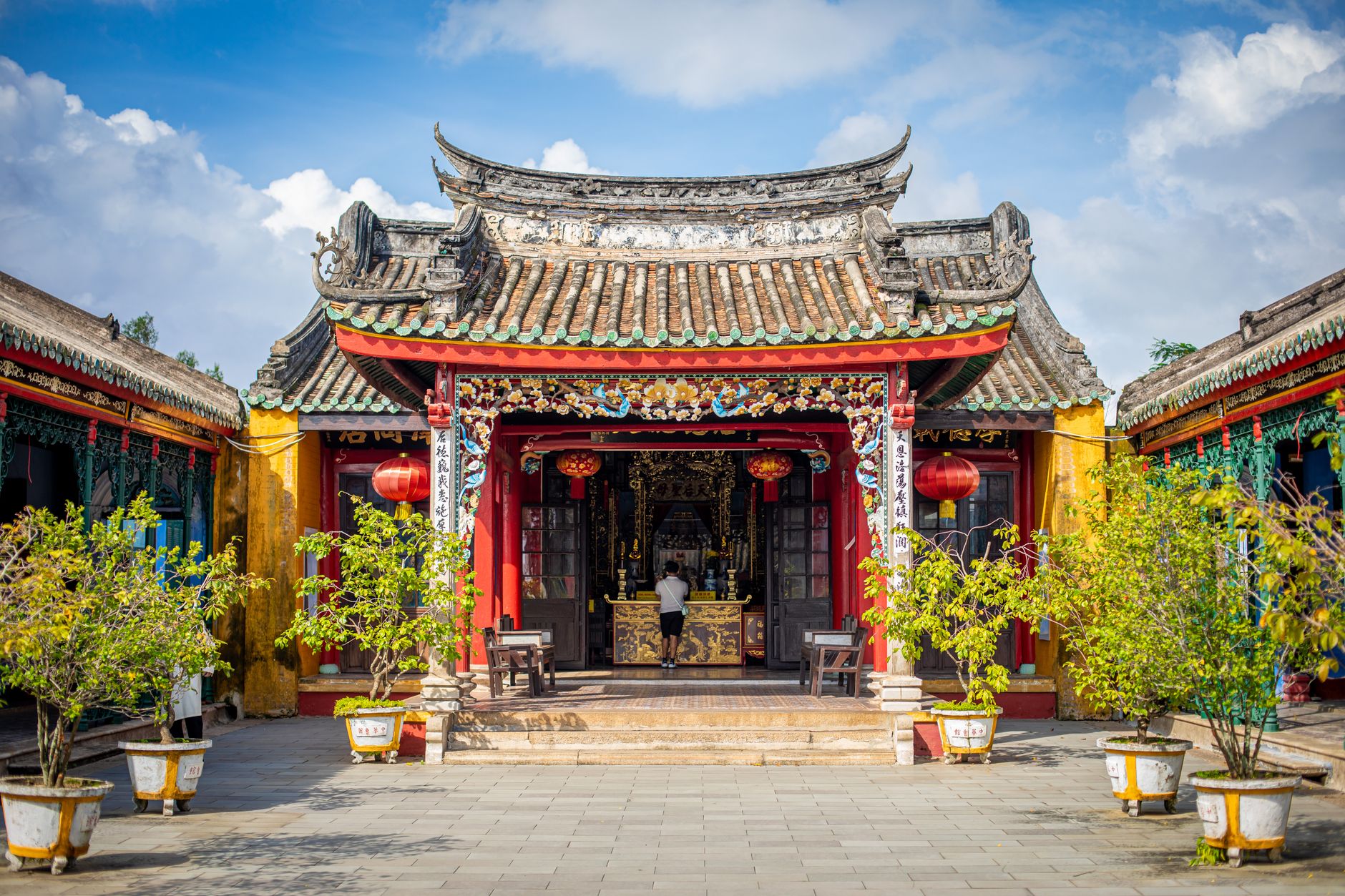
The Ancient Town entry ticket (₫120,000; covers 5 attractions) is checked at the Japanese Bridge and Assembly Halls. The river walk along Bach Dang Street is always free.
The best Hoi An experience is a dawn bicycle ride to An Bang Beach using the village back roads rather than the highway &mdash.
A half-day Hoi An cooking class at Morning Glory or Red Bridge includes the market tour, the ingredient lesson, and the river-view lunch — the finest cooking experience in Vietnam for under $25.
Feb–May is the dry sweet spot (22–30°C; the finest weather; the river calm; the lantern evenings perfect). Jun–Aug is hot peak season. Oct–Nov is the flood season: the Ancient Town may flood (rubber boots available; genuinely extraordinary atmosphere). Dec–Jan is cooler and drier.
Three days: the Ancient Town at dawn, the markets, a tailor fitting, An Bang Beach, My Son sanctuary, and the Full Moon Lantern evening.
Old town at 6am — Japanese Bridge and river walk before the crowds. Tailor fitting at 9am. Ancient Town entry ticket (₫120,000) for the Phuc Kien Assembly Hall and merchant houses. Lantern evening on the Thu Bon.
💡 Book your tailor on arrival and collect the finished garment two evenings later — the fitting happens on day one, adjustments on day two, collection on day three. Shorter timelines risk poor quality.
Cycle to An Bang Beach (back-road route; 20 min). Morning swim and beach cafe breakfast. Afternoon cooking class at Red Bridge or Morning Glory. Bicycle return at sunset.
💡 Cao lau from Phuong Breakfast Restaurant on Phan Boi Chau costs ₫35,000 and is the most authentic version in Hoi An — the portion is small, the flavour is the finest street noodle in Vietnam.
Morning minibus to My Son Sanctuary (40km; 2h). The main Cham temple group in the jungle. Return via the Marble Mountains in Da Nang for the cave viewpoint.
💡 My Son Sanctuary is best before 9am — the A and B group temples have the finest architectural detail; C and D groups are larger but more ruined. The jungle humidity is extreme from 10am onwards.
Hoi An is affordable but with a mid-range push from the boutique hotel density. The tailor (VND 200,000–1,000,000 per garment) is the main optional spend beyond food and accommodation. Per person per day.
Hoi An is the most affordable UNESCO World Heritage town in Southeast Asia: the bicycle (VND 50,000), the Ancient Town ticket bundle (₫120,000), the banh mi breakfast (VND 30,000) and the cao lau lunch (VND 50,000) give the full historic experience for under VND 300,000.
The Hoi An cooking class (Tra Que market + herb garden + cooking in a traditional house)
The Four Seasons Nam Hai (Ha My Beach; 15km from Hoi An; the finest resort in Vietnam; the pool villas fronting the South China Sea; the cooking school; the cycling to Hoi An through the paddy fields) is the most complete luxury base.
Bicycle taxi and car rides from An Bang Beach and Da Nang Airport to the Hoi An old town.
Free
Ancient Town restaurant discovery and cooking class booking with same-day availability.
Free
Bus and minibus tickets for My Son Sanctuary, Da Nang, Hue, and intercity Vietnam routes.
Free
Hoi An restaurant reviews and table bookings including rooftop venues on the Thu Bon River.
Free
Traditional Vietnamese cooking class booking at Morning Glory and Red Bridge in Hoi An.
Free
Download the Hoi An offline map before arrival — essential for navigating the 36 heritage streets without data.
Free
Explore more of Vietnam’s extraordinary cities and landscapes.