
HU
Lake Balaton
The Hungarian Sea
The Hungarian Sea

The Tihany Peninsula (the 8km basalt lava peninsula; the Benedictine Abbey of 1055; the Inner Lake — the freshwater crater lake on the plateau above the Balaton; the lavender fields in June) is the finest single location on Lake Balaton. The abbey crypt contains the stone sarcophagus of King Andrew I and the oldest surviving document of the Hungarian language.
Tihany Abbey (Ft 1,500; opens 9am; the oldest surviving document of the Hungarian language in the crypt) at 9am — before the day-tripper boats arrive from Balatonfüred.

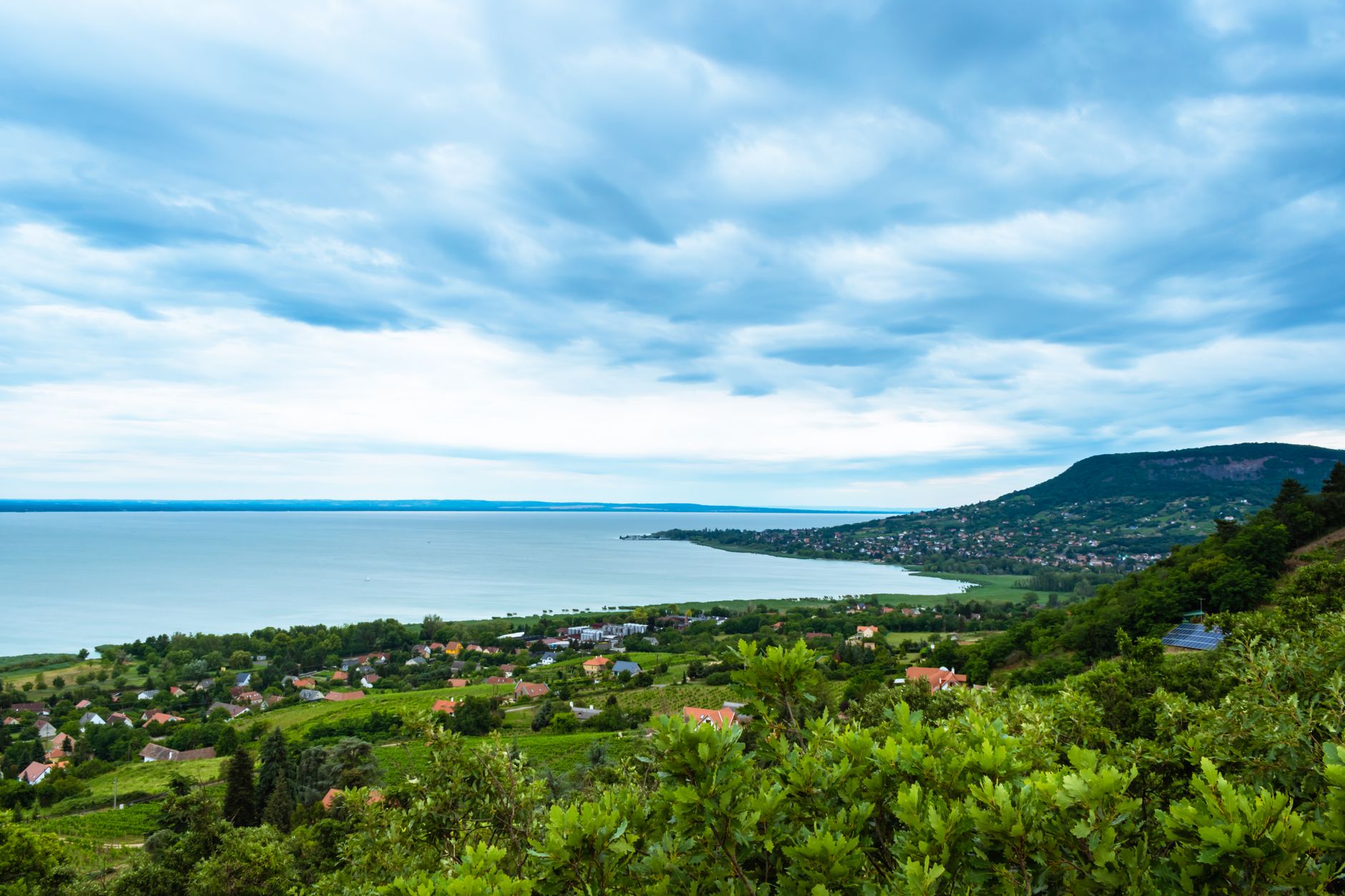
The Badacsony wine region (the volcanic basalt plateau above the north Balaton shore; the Badacsony Olaszrizling and Szürkebarát) produces the finest lake-influenced white wines in Central Europe. The wine terraces (the Folly Arboretum; the Szegedy Róza House) give the finest view of the Balaton from above the vineyard.
The Badacsony wine terraces (the Szegedy Róza House or the Folly Arboretum; the Olaszrizling and Szürkebarát from the basalt hillside vineyard) give the finest view of the Balaton from above the vineyard — best in the late afternoon light.

Siófok (the largest resort town on the Balaton south shore; the beach strip; the summer festival season), Keszthely (the Festetics Palace — the finest Baroque palace on the lake; Ft 3,200; 360 rooms; the Helikon Library with 100,000 volumes), and Hévíz (the world’s largest natural thermal lake; the 38°C water year-round; Ft 3,800) frame the western Balaton experience.
Keszthely Festetics Palace (Ft 3,200; the finest Baroque palace on the Balaton; the Helikon Library with 100,000 volumes) is the finest single historical attraction on the lake.
Balatonfüred (the finest resort town on the north Balaton shore; the 19th-century spa buildings; the Tagore Promenade; the Anna Ball tradition — Hungary’s finest Viennese-style debutante ball held annually since 1825 in the Balatonfüred sanatorium) is the most historically significant town on the Balaton.
Hévíz thermal lake (6km from Keszthely; the world’s largest natural thermal lake; Ft 3,800; the 38°C water year-round; the floating lotus lily pads) is the finest thermal bathing experience at Lake Balaton.
Lake Balaton cuisine is defined by the lake’s own fish and the Badacsony wine: the Balatoni fogash (the pike-perch — the most prized Lake Balaton fish; the symbol of the lake; the fillet breaded and pan-fried in butter; € 14–28 at any lakeside restaurant; the finest preparation at the Halászászkert in Tihany), the Balatoni halász lé (the spicy paprika fish soup with the lake carp; € 5–9), and the Kéknyelü wine on the Badacsony terrace (€ 3–5 per glass) are the defining Balaton food and drink. The lángos (€ 1.50–3; the deep-fried bread with tejföl sour cream and cheese at every beach stall; the most calorific and the most specifically Hungarian beach food; available at the water’s edge at every Siófok beach) is the most important single Balaton food experience at any budget.
🛂 Entry rules: EES and ETIAS
Hungary is in the Schengen area, which has two EU border systems for non-EU visitors.
EES (in force): since 10 April 2026 the EU’s Entry/Exit System registers non-EU visitors’ passport details, fingerprints and a photo the first time they enter the Schengen area, replacing passport stamps. Allow extra time at the border on your first trip; later crossings are quicker. EU, EEA and Swiss citizens are not registered.
ETIAS (not yet running): a €20 online travel authorisation for visitors who don’t need a visa, such as UK, US, Canadian and Australian citizens. It hasn’t started and no start date has been confirmed, so nobody can apply yet; ignore websites that offer to “pre-register” you for a fee.
Visa-free visitors can stay up to 90 days in any 180-day period across the whole Schengen area, not per country.
Official information: EU: Travel to Europe (EES & ETIAS) · Reviewed September 2026
The Balaton flag system: yellow flag means possible danger; red flag means swimming is prohibited. Check the pole at your beach entrance before entering the water — fatalities occur when flags are ignored.
Kéknyelú (the indigenous Badacsony varietal; light, mineral, slightly bitter; available at the Kisfaludy Ház winery above Badacsony village; Ft 2,500–4,000 per glass) is the most characteristically Hungarian white wine.
Hévíz (6km west of Keszthely; the world’s largest biologically active thermal lake; 38°C year-round; entry from Ft 3,500) stays swimmable even in January snow. A genuinely extraordinary natural phenomenon.
The Tihany Inner Lake (Belső-tó; free to walk the path; 2km circuit) sits 35m above the Balaton shore on the Tihany Peninsula.
June and early September are the finest weeks. July–August: the most animated but most crowded. October: the Badacsony wine harvest. Hévíz and the Keszthely palace: year-round.
Day 1: Tihany & Balatonfüred. Day 2: Badacsony wine road. Day 3: Keszthely & Hévíz.
Tihany Abbey at 9am (Ft 1,500; the crypt; the finest Baroque interior in the Balaton region). Tihany village walk (the lavender fields in June; the fisherman’s houses; the Inner Lake). Ferry to Szántód (Ft 1,200 return; 10 min) for the southern shore.
Lake Balaton requires a rental car to experience the northern shore properly — the wine road between Badacsony, Szigliget, and the Tihany Peninsula covers 60km and 8–10 wineries.
Badacsony wine terraces (the Szegedy Róza House; the Olaszrizling and Szürkebarát from the basalt hillside). Keszthely Festetics Palace (Ft 3,200; the Helikon Library). Hévíz thermal lake (6km; Ft 3,800; the 38°C natural lake).
The Balaton water temperature peaks at 27°C in late July and early August — the finest swimming is in the first hours of the morning before the wind picks up and the beach fills.
Keszthely by train (30 min from Badacsony). Festetics Palace (€ 10; the Helikon Library; the most beautiful private Baroque library in Hungary; 1.5h). Balatoni fish soup lunch at the lakeside restaurants. Hévíz Thermal Lake afternoon (bus from Keszthely; 15 min; € 14 for 3h; the outdoor volcanic spring swim; the lotus blossoms; the steam). Return to Budapest by direct train from Keszthely (2h 30min).
The Balaton wine harvest (September; the Badacsony Olaszrizling; the Balatonfüred Riesling; the grape-picking festival in Badacsony) is the finest single week on the northern shore.
Lake Balaton is the most affordable major summer lake destination in Europe. Per person per day.
The lángos (€ 1.50–3; the deep-fried bread with sour cream and cheese at every beach stall; the definitive Hungarian beach food; available at the water’s edge at every Siófok beach) is the most important single Balaton food experience.
The Balatoni fogash (the pike-perch; the symbol of Lake Balaton; € 14–28; the finest freshwater fish lunch in Central Europe when eaten at a lakeside terrace at Tihany with the Badacsony visible across the water).
The private sailing day from the Balatonfüred marina — the largest sailing marina in Central Europe — (€ 200–400/day for an 8m cruising yacht with skipper; the afternoon southerly wind builds from noon; the 2h)
Download the Lake Balaton offline map before arrival — the northern shore wine road and the Tihany Peninsula trails require offline navigation.
Free
Download the Hungarian offline pack and use camera mode for menus and signs.
Free
Book tours, day trips and skip-the-line tickets in and around Lake Balaton.
Free
Quick answers to the questions travellers most often ask before visiting Lake Balaton.
Summer (June-August) is the lively peak, ideal for swimming and the beaches, while spring and autumn are quieter and good for the vineyards. It’s a warm-weather destination.
Two to four days to enjoy the beach resorts and swimming, visit the historic Tihany peninsula, sample the local wines, and perhaps the nearby thermal Lake Hévíz.
Trains and buses ring the lake, ferries cross it, and the resort towns are walkable; a car helps for touring the vineyards and quieter shores.
Central Europe’s largest lake — the “Hungarian Sea” — a summer holiday hub of beach resorts, swimming and sailing, the historic Tihany peninsula, surrounding vineyards, and the nearby thermal Lake Hévíz.
Explore more of Hungary’s extraordinary cities and landscapes.
Planning a wider trip? Our Hungary travel guide covers getting there, costs, when to go and more.