PL
Warsaw
The Phoenix Capital of Poland
The Phoenix Capital of Poland
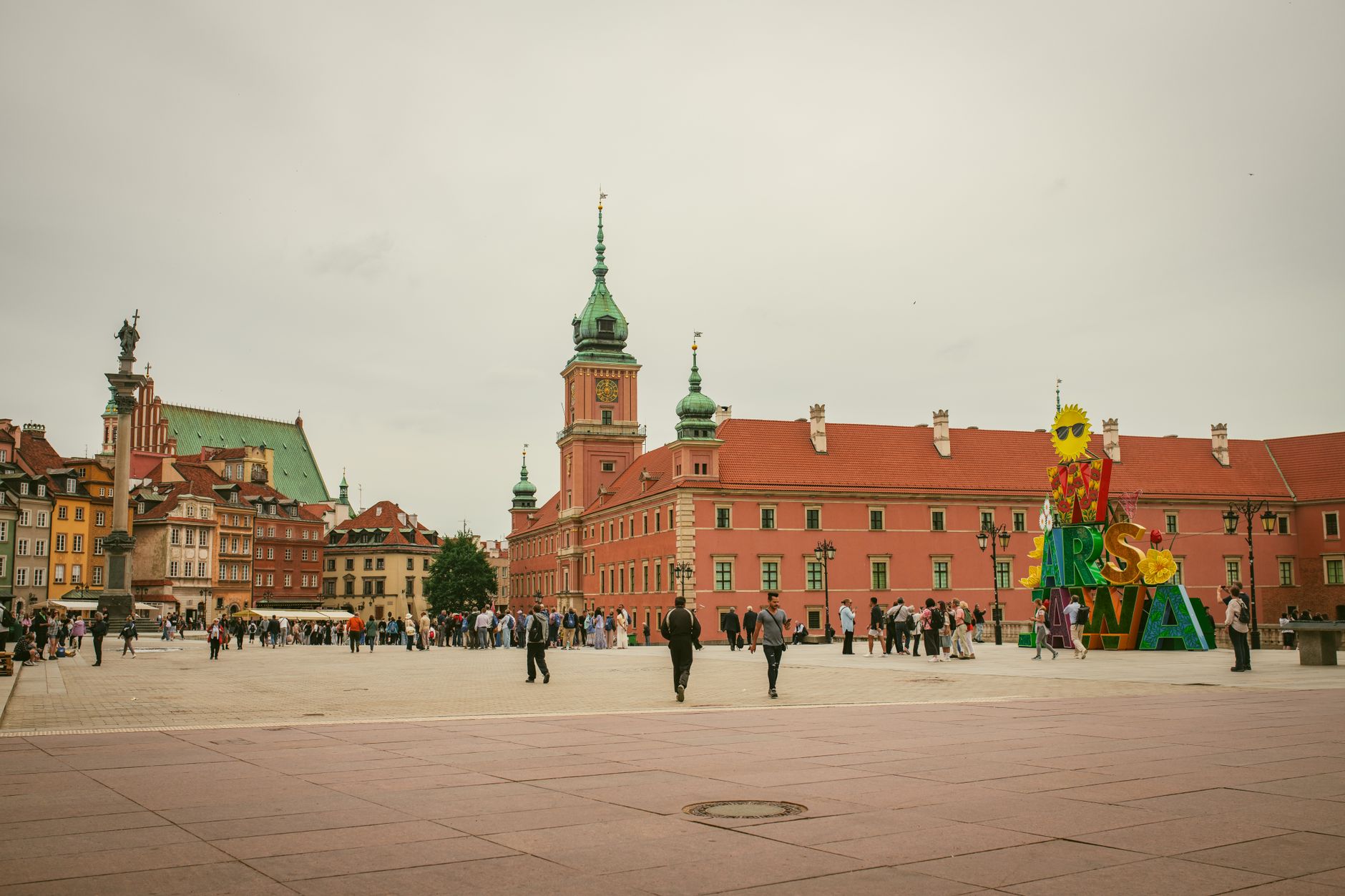
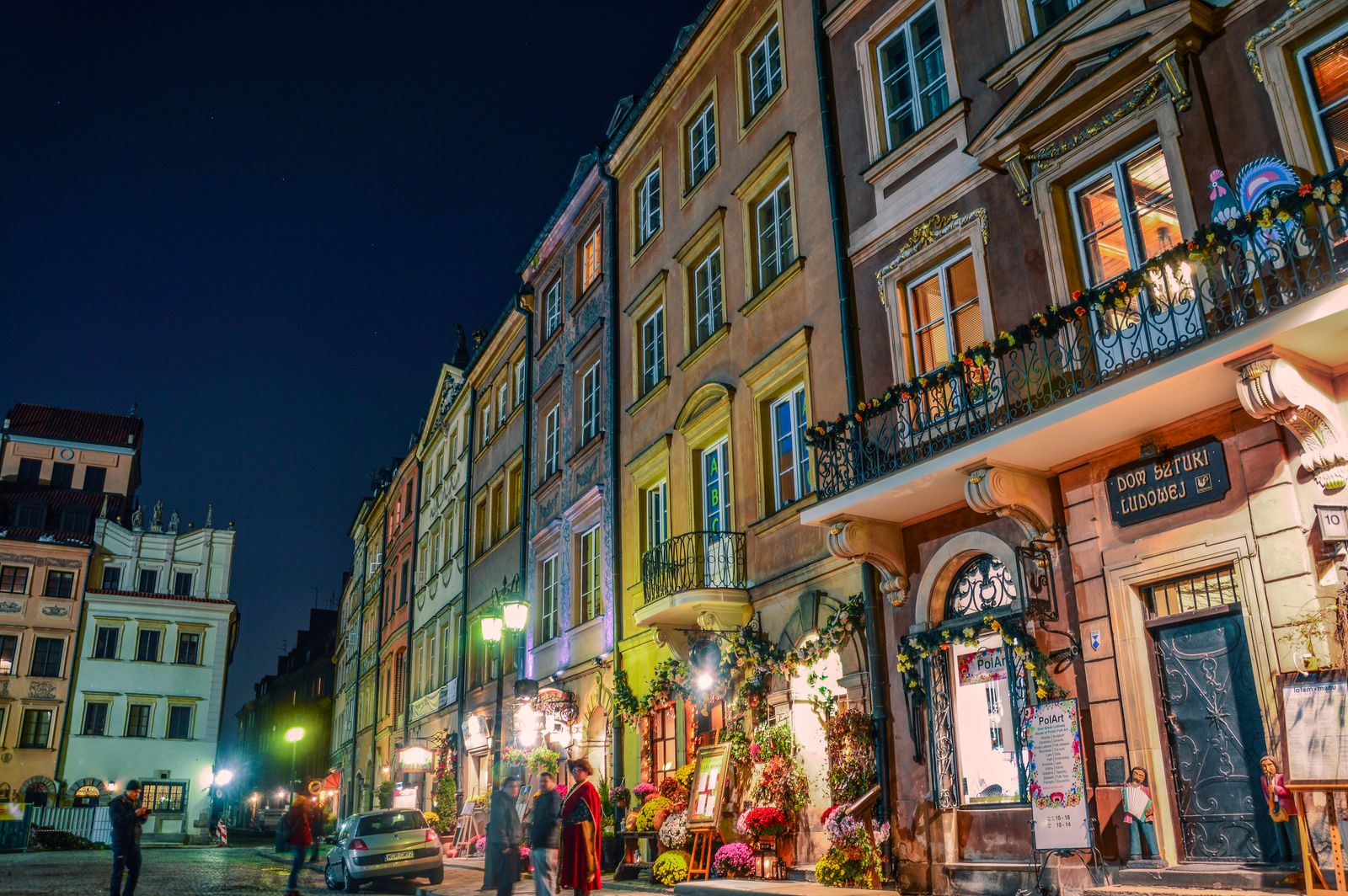
The Stare Miasto (the Old Town; UNESCO World Heritage 1980; the reconstruction of 85%-destroyed Warsaw from Canaletto paintings and archival photographs; the Royal Castle (30 zł; the Canaletto Room with the original paintings used for the post-war reconstruction), the Old Town Market Square, the Barbican, and the Cathedral of St John) is the most extraordinary architectural reconstruction in European history — entirely within 10 minutes’ walk.
Warsaw Rising Museum (30 zł; at least 3 hours; the 3D film of 1944 Warsaw from above; the replica Liberator bomber; the recorded survivor testimonies) is the finest single museum in Poland and the most important resistance museum in the world.
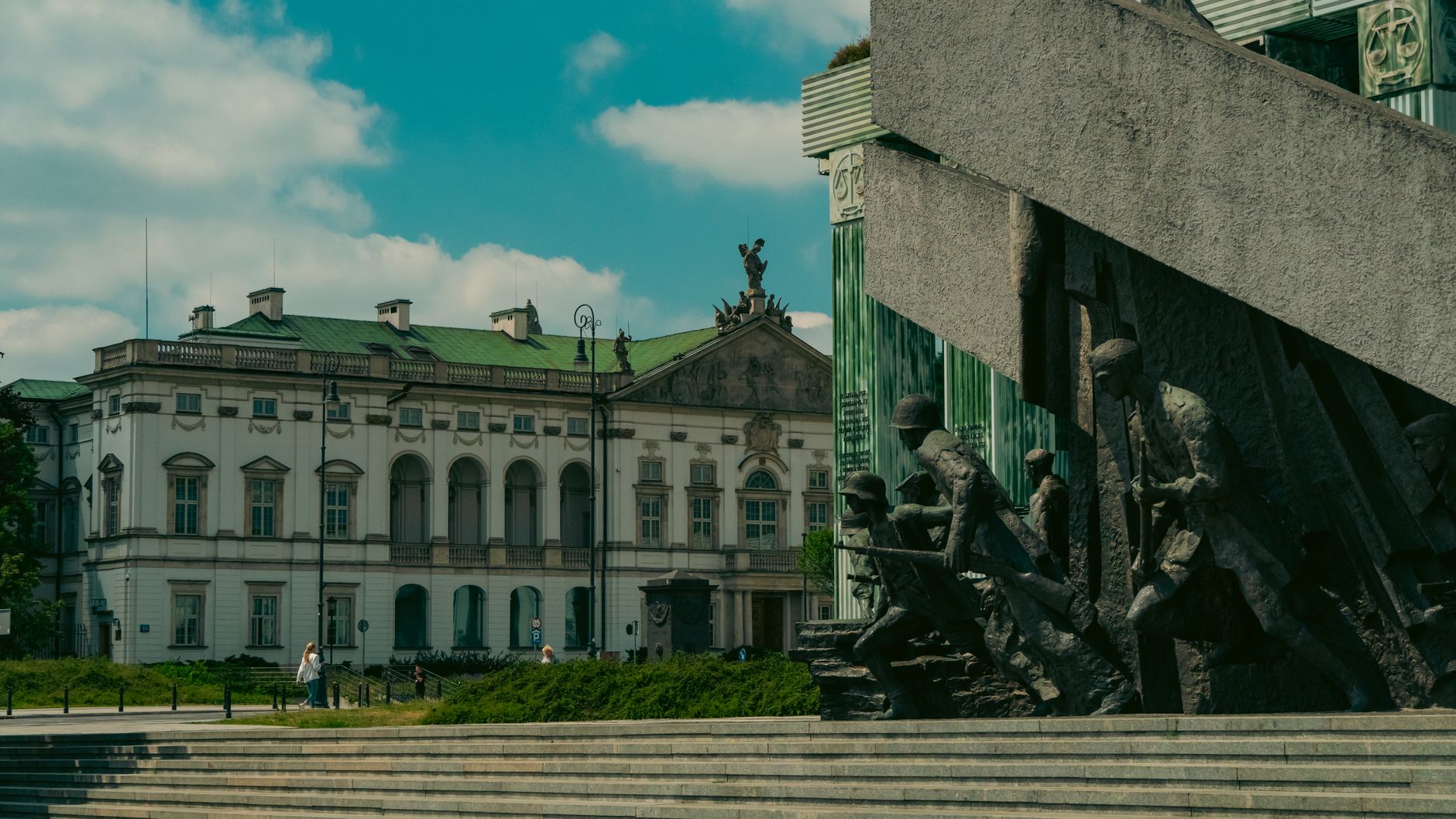
The Warsaw Rising Museum (30 zł; the finest single museum in Poland; the story of the 63-day 1944 Warsaw Rising in which 200,000 civilians were killed and the city was systematically demolished; the 3D film of pre-war Warsaw from above; the replica Liberator bomber; the recorded survivor testimonies) requires at least 3 hours.
Stare Miasto at 6am (the UNESCO Old Town reconstruction; the Castle Square at dawn; the empty Old Town Market Square; the most extraordinary architectural reconstruction in European history) before the 9am tourist groups is the most moving free morning in Warsaw.

The Palace of Culture and Science (the 231m Stalinist tower given by Stalin in 1955; the 30th floor observation deck; 25 zł; the finest Warsaw panorama) and the POLIN Museum (35 zł; the 2013 building on the Warsaw Ghetto site; 8 permanent galleries of 900 years of Polish Jewish history; the reconstructed wooden synagogue ceiling; the finest Jewish museum in Europe) are the two most compelling buildings in modern Warsaw.
POLIN Museum (35 zł; at least 2 hours; the 2013 building on the Warsaw Ghetto site; 8 galleries of 900 years of Polish Jewish history; closed Tuesdays) is the finest museum visit in Warsaw after the Rising Museum.

Łazienki Park (the Royal Baths Park; the 76ha park on the Vistula escarpment south of the city centre; the Palace on the Water (the summer residence of the last King of Poland; 25 zł); the Chopin statue (the Sunday open-air piano concerts May–September; noon and 4pm; free) and the Roman Amphitheatre on the lake) is the finest free park in Warsaw.
Łazienki Park Sunday Chopin concerts (free; May–Sep; noon and 4pm; arrive 30 min early at the Chopin statue) are the finest free classical music experience in Warsaw.
Warsaw food culture is the most rapidly evolving of any Polish city: the bar mleczny (the milk bar — the communist-era subsidised canteen; still operating; the Bar Mleczny Prasowy at Marszalkowska 10 — the most famous milk bar in Warsaw; the barszcz czerwony (beetroot soup) at € 0.80; the pierogi ruskie at € 2–4; the most affordable full meal in Central Europe), the pierogi (the filled dumplings; Warsaw’s best pierogi at the Zapiecek chain or the Pierogarnia Manekin), and the Warsaw street food (the zapiekanka on Nowy Świat; the kełbasas grilled on the charcoal stand outside the Hala Mirowska market; € 2–4) define the budget tier. The Vistula riverbank bar scene (the summer beach bars on the Powiśle riverbank; the open-air Plaža Warszawa; the most specifically Warsaw summer evening; free to sit on the riverbank; € 3–5 per craft beer) is the finest free outdoor evening in any Polish city.
🛂 Entry rules: EES and ETIAS
Poland is in the Schengen area, which has two EU border systems for non-EU visitors.
EES (in force): since 10 April 2026 the EU’s Entry/Exit System registers non-EU visitors’ passport details, fingerprints and a photo the first time they enter the Schengen area, replacing passport stamps. Allow extra time at the border on your first trip; later crossings are quicker. EU, EEA and Swiss citizens are not registered.
ETIAS (not yet running): a €20 online travel authorisation for visitors who don’t need a visa, such as UK, US, Canadian and Australian citizens. It hasn’t started and no start date has been confirmed, so nobody can apply yet; ignore websites that offer to “pre-register” you for a fee.
Visa-free visitors can stay up to 90 days in any 180-day period across the whole Schengen area, not per country.
Official information: EU: Travel to Europe (EES & ETIAS) · Reviewed September 2026
The Łazienki Park Chopin concerts (May–September; every Sunday at noon and 4pm; free; under the Chopin Monument) are Warsaw’s finest free event. Arrive 30 minutes early for a seated position on the steps.
The Palace of Culture viewing platform (30th floor; PLN 30; open daily 10am–8pm; the only panorama that includes both the Stare Miasto and the full Warsaw skyline) is the correct Warsaw overview.
The POLIN Museum of the History of Polish Jews (PLN 35; Mon/Wed/Thu/Fri 10am–6pm; Sat/Sun 10am–8pm; Tuesday closed) tells 1,000 years of Polish-Jewish history across 8 multimedia galleries. Allow 3–4 hours.
The Łazienki Park Sunday Chopin concerts (May–September; every Sunday at noon and 4pm; free; the Chopin statue in the park garden) are the finest free classical music experience in Warsaw.
Warsaw has Poland’s best public transport — a clean, modern metro (two lines), plus an extensive tram and bus network, all on one cheap ticket. The reconstructed Old Town and the central districts are walkable, and the Bolt and Uber apps are cheap and ubiquitous. Warsaw is the country’s rail hub, with fast trains to Kraków, Gdańsk and beyond from the central station. A car isn’t needed in the city (Poland drives on the right). Warsaw Chopin airport is about 20 minutes from the centre by train or bus, with the smaller Modlin airport farther out. Poland uses the złoty (PLN), not the euro.
May–Jun for the Chopin concerts and the Vistula riverbank. Sep–Oct for the cultural season and the golden light. Dec for the Christmas market.
Day 1: Old Town, Royal Castle, Warsaw Rising Museum. Day 2: POLIN Museum, Palace of Culture, Sunday Chopin concert.
Stare Miasto at 6am (the Old Town Market Square; the Castle Square; the most extraordinary reconstruction in European history). Royal Castle (30 zł; the Canaletto Room). Warsaw Rising Museum (30 zł; at least 3 hours; arrive at 10am).
The Warsaw Rising Museum is best visited with a full half-day — arrive at 10am when it opens and plan to emerge at 2–3pm. The emotional weight makes it impossible to absorb in less than 3 hours.
POLIN Museum (35 zł; 2+ hours; 8 galleries of Polish Jewish history; closed Tue). Palace of Culture 30th floor (25 zł; the finest Warsaw panorama). Łazienki Park Sunday Chopin concert (free; noon and 4pm; May–September).
The POLIN Museum (closed Tuesdays; 35 zł; extended hours on Thursday and Saturday evenings) is the finest 2-hour museum visit in Warsaw after the Rising Museum.
Warsaw is significantly more affordable than Berlin or Vienna. The milk bar lunch costs € 3–6; the Sunday Chopin concert is free; the POLIN Museum € 10. Per person per day.
The Sunday Chopin concert in Łazienki Park (free; May–September; noon and 4pm; under the weeping willow Chopin monument; a different Polish pianist each week; the most atmospheric free cultural event in any Central European city)
The POLIN Museum (€ 10; allow 3–4h; the most comprehensive museum of Jewish history in Europe; the timber-frame Great Synagogue reconstruction ceiling in Gallery 6 is the finest single museum room in Warsaw; the Ringelblum)
The Hotel Bristol Warsaw (Krakowskie Przedmieście 42–44; the Art Nouveau luxury hotel of 1901; the most historically significant hotel address in Poland — Paderewski, Curie, and de Gaulle stayed here; reopened 1993 after)
Warsaw restaurant discovery with Praga right bank, Śródmieście city centre, and traditional Polish cuisine filtering.
Free
Download the Warsaw offline map before arrival — the Stare Miasto’s reconstructed lanes and the Praga neighbourhood require offline navigation.
Free
Download the Polish offline pack and use camera mode for menus and signs.
Free
Book tours, day trips and skip-the-line tickets in and around Warsaw.
Free
Quick answers to the questions travellers most often ask before visiting Warsaw.
Late spring to early autumn (May-September) is mildest and liveliest, and December brings a festive Christmas market. Winters are cold.
Two to three days for the reconstructed Old Town and Royal Castle, Łazienki Park, and powerful museums like the Warsaw Uprising Museum and POLIN.
By metro, trams and buses, with a walkable centre. No car needed.
Poland’s capital, rebuilt from wartime destruction — the faithfully reconstructed Old Town (a UNESCO site) and Royal Castle, Łazienki Park, moving museums such as the Warsaw Uprising Museum and POLIN, Chopin heritage, and a dynamic modern city.
Explore more of Poland’s extraordinary cities and landscapes.
Planning a wider trip? Our Poland travel guide covers getting there, costs, when to go and more.