KE
Kenya
The last great migration on earth
The last great migration on earth

The Great Migration crossing (July-October): crocodiles in the Mara River, lions hunting on the plain and the sheer drama of 1.5 million animals moving together.
Photo: Danijel Mihajlovic, CC BY-SA 4.0

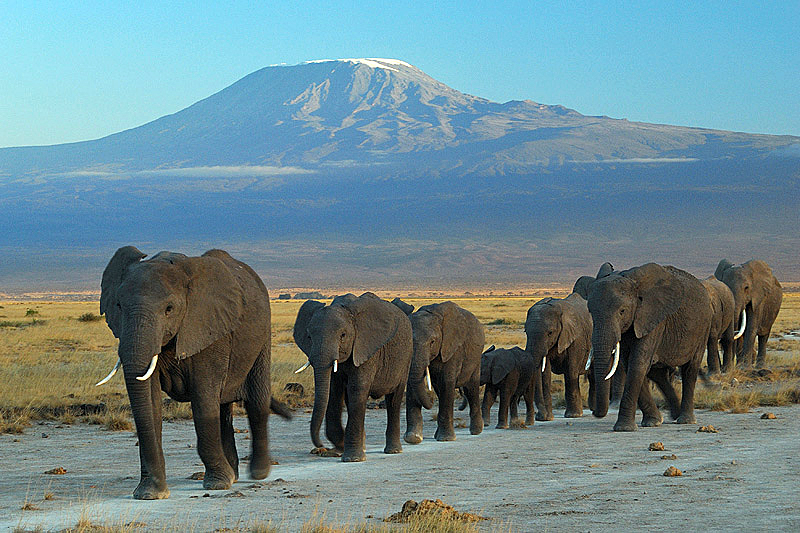
Elephants walking across a plain with Kilimanjaro (5,895m) behind them: the most famous wildlife photograph in Africa. Large elephant herds, Maasai villages and Observation Hill’s panorama.
Photo: Bijay Chaurasia, CC BY-SA 4.0

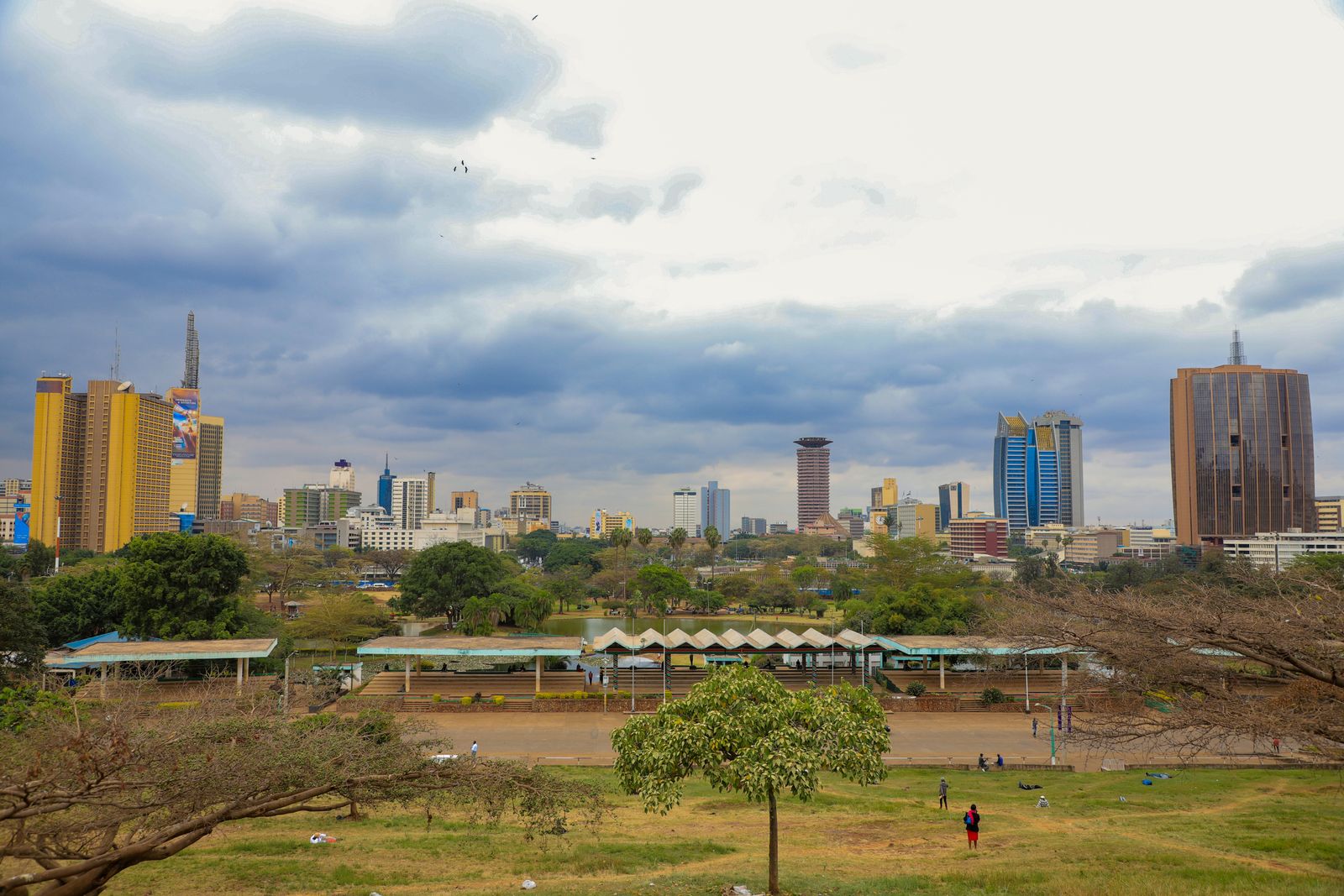
The Giraffe Centre (feed reticulated giraffes by hand), the David Sheldrick Elephant Orphanage (baby elephants) and the Nairobi National Park (lions, rhinos, cheetahs with the Nairobi skyline behind them).
Photo: Samwalton9, CC BY 4.0

A UNESCO World Heritage Swahili city on a car-free island: 700-year-old coral-and-mangrove architecture, dhow sailing between islands and the Lamu Cultural Festival.
Photo: Ham2022, CC BY-SA 4.0
Africa’s second-highest peak: Point Lenana (4,985m, the trekking summit, reached in 3-4 days) and the Batian/Nelion technical climbing peaks (5,199m).
Photo: Amoghavarsha JS amoghavarsha.com, CC BY-SA 3.0

Pink flamingos (up to 1 million) around a soda lake, plus black and white rhinos, lions and pelicans: a high concentration of wildlife within 3 hours of Nairobi.
Photo: Diego Delso, CC BY-SA 4.0

The finest beach in Kenya: 17km of white sand, colobus monkeys in the coastal forest and the best snorkelling and diving on the Kenyan coast.
Photo: Tall Black, CC BY-SA 4.0

Kenya’s largest national park (22,000km²): the red dust-coated Tsavo elephants, the Mzima Springs (underground river flowing from Kilimanjaro’s snow) and the Lugard’s Falls volcanic rock terrain.
Photo: Dr Peter James Chisholm, CC0
Ugali (stiff maize porridge) with nyama choma (grilled meat, usually goat) and kachumbari (tomato-onion salsa): the definitive Kenyan meal, eaten communally at roadside nyama choma restaurants.
Sauteed kale with onions and tomatoes, eaten with ugali: the daily vegetable dish across all income levels in Kenya. The name means “push the week” (it stretches the budget to the end of the week).
Maize and bean stew: a protein-rich combination eaten at school lunches and workday meals throughout central Kenya. Simple and sustaining.
A triangular fried dough flavoured with cardamom and coconut milk: the Swahili coast’s street breakfast, eaten with chai.
Black CTC tea boiled with milk, sugar, ginger and cardamom in a single pot. Kenya produces the world’s finest black tea (grown in the Rift Valley highlands) and drinks the finest version of it.
A Kenyan lager brewed since 1922: the brand was named after an elephant that killed the founder’s brother. Cold and light at any safari camp sundowner.
Rice cooked in a spiced broth with whole spices (cardamom, cloves, cumin, cinnamon): a coastal Swahili dish of Indian Ocean trade influence.
Blood sausage of goat intestines stuffed with goat meat and spices, roasted over charcoal: Nairobi street food served from roadside grills.
Nairobi Jomo Kenyatta (NBO) is East Africa’s main hub; Mombasa Moi (MBA) serves the coast. Kenya Airways and British Airways fly Heathrow direct. Safari charter flights operate from Wilson Airport (WIL). For trip planning, see the Magical Kenya tourism portal.
Kenya Airways and British Airways both fly direct Heathrow–Nairobi in 8h30 — one of the more convenient sub-Saharan African routes from the UK.
The Gulf carriers (Emirates, Qatar, Etihad) offer the most connections from North America and Asia to Nairobi. Ethiopian Airlines via Addis Ababa is worth considering for competitive fares.
Charter flights from Wilson Airport (not Jomo Kenyatta) are essential for reaching the Mara efficiently. SafariLink and AirKenya operate fixed daily schedules — book at least 2 weeks ahead in peak season.
The Madaraka Express train (Nairobi–Mombasa) is a modern Chinese-built SGR line — 4h30, clean, air-conditioned, KES 1,200–3,000. Departs Nairobi at 8am and 3pm. Book at krc.co.ke.
The dry seasons — January to March and July to October — are best for wildlife. The Great Migration through the Maasai Mara peaks July to September when the wildebeest river crossings happen. The long rains (April–May) are not ideal for game drives but the landscape is impressive.
📅 Kenya is in its best season in June, July, August, September, October. See where else is good to go in those months, or browse where to go by month.
Kenya is mid-range for East Africa — more expensive than Tanzania’s budget options but with a well-developed infrastructure for wildlife tourism at all price points.
Nyama choma — charcoal-grilled goat or beef, sold by weight and eaten with hands at a local bar — costs KES 500–800 per 500g and is the definitive Kenyan social meal.
Most mid-range tented camps in the Maasai Mara include accommodation, all meals, and twice-daily game drives in the daily rate. This all-inclusive model makes Kenya’s mid-range better value than it appears.
The private conservancies bordering the Maasai Mara (Ol Pejeta, Mara North, Olare Motorogi) offer exclusive Big Five access at KES 80,000–300,000pp/night fully inclusive — night drives not available in the national reserve.
Nairobi for one day, the Maasai Mara for three, Lake Nakuru or Amboseli for two, the Kenyan coast to close. This plan covers the wildebeest migration, Big Five game viewing and Indian Ocean beaches.
Nairobi is the only capital city in the world with a national park on its doorstep. The Nairobi National Park (1h drive from the airport) has rhinos, lions and buffalo against a city skyline backdrop. The Giraffe Centre for Rothschild’s giraffes and the Karen Blixen Museum in the former Out of Africa farm.
The David Sheldrick Wildlife Trust elephant orphanage opens for public visiting daily at 11am — 45 minutes watching orphaned elephants at their mud pool is one of the finest wildlife experiences near any African city.
1h charter flight from Wilson Airport to the Mara. The Maasai Mara National Reserve is 1,510km² of open savannah connected to the Serengeti ecosystem — lions, cheetahs, leopards, elephants, buffalo and up to 1.5 million wildebeest in peak migration season. Afternoon game drive.
Charter flights from Wilson Airport (not Jomo Kenyatta) take 1 hour and cost KES 15,000–25,000 per person one-way. Shared charters significantly reduce cost — book through your lodge.
Dawn game drive at 6am when predators are most active. The Mara River crossings (July–September): hundreds of thousands of wildebeest entering the river at once, with crocodiles waiting below — one of the great wildlife spectacles on earth.
Position at a known crossing point by 7am and wait — crossings are unpredictable but guides read the herd. The river crossing can last from 10 minutes to several hours. Patience is required.
A Maasai village visit: jumping warriors, traditional architecture, the boma livestock enclosure. Sundowner drinks on the savannah at dusk, watching the light change over the Mara triangle.
A reputable Maasai village visit is a genuine cultural exchange — confirm with your lodge that the village benefits directly. The jumping (adumu) is a real part of warrior culture, not a tourist performance.
1h charter from the Mara to Amboseli. Amboseli National Park is famous for its large elephant herds and the view of Kilimanjaro (5,895m) rising above the Kenyan plain — on a clear morning the mountain appears to float above the clouds.
The Kilimanjaro view from Amboseli is best at dawn and dusk on clear days. The mountain disappears into cloud by mid-morning most days. Set your alarm.
4h drive from Amboseli to Diani Beach, or 1h flight to Mombasa then 1h drive. Diani is Kenya’s finest beach: white coral sand, turquoise Indian Ocean, affordable beach resorts and almost no commercial development inland.
The Shimba Hills National Reserve (30 min from Diani) is Kenya’s coastal forest reserve — sable antelope, buffalo, colobus monkeys and the best view of the Indian Ocean from inland.
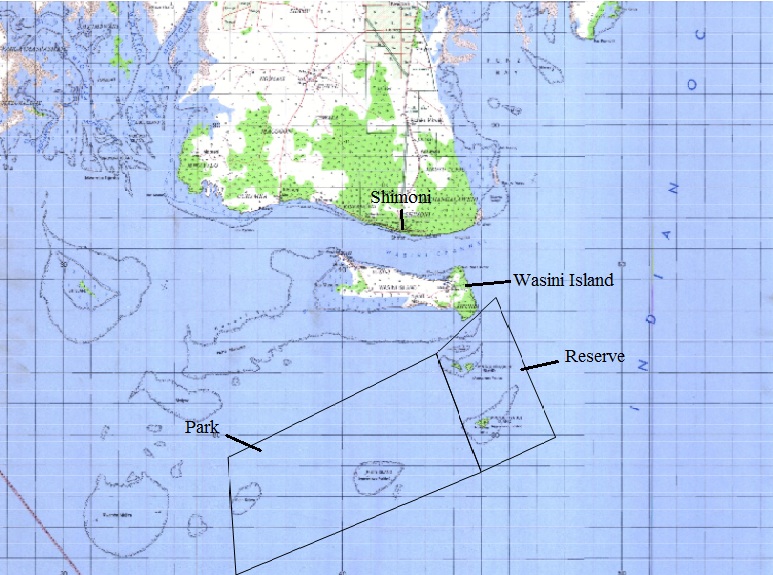
Morning snorkelling at the Kisite-Mpunguti Marine Park (boat from Shimoni, 1h south) for dolphins, turtles and colourful reef fish. Return to Mombasa airport for your flight.
Kisite-Mpunguti Marine Park has spinner dolphins year-round and whale sharks occasionally. The boat trips (3h, including snorkelling) run daily and cost KES 4,000–6,000pp.
🛂 Entry rules: Kenya eTA
Kenya has scrapped visas but most visitors, including UK, US and EU citizens, need an Electronic Travel Authorisation (eTA) before travel. It costs about US$32.50, should be requested at least three days (and up to 90 days) ahead, and is single-entry. Since May 2025 most African nationals are exempt.
Apply only on the official etakenya.go.ke site, have proof of accommodation ready, and carry a yellow fever certificate if you are arriving from a country with yellow fever risk.
Official information: Government of Kenya: eTA · Reviewed September 2026
Malaria is present throughout Kenya except Nairobi and at altitude. Take prophylaxis and use DEET.
Nairobi to Masai Mara: 45min flight vs 5-6h drive. SafariLink and AirKenya serve all parks.
Hello and thank you in Swahili.
A budget lodge in the Mara: USD 100-200/night. Luxury camps: USD 500-1,500/night.
Tap water is not safe outside quality hotels.
Kenya pioneered mobile money. M-Pesa works everywhere; add it to a local SIM.
Both safer than street taxis in Nairobi.
Animals are unpredictable. Never leave the vehicle without explicit guide instruction.
Quick answers to the questions people most often ask before visiting Kenya.
The dry seasons — January to March and July to October — are best for wildlife. The Great Migration through the Maasai Mara peaks July to September when the wildebeest river crossings happen.
Nairobi Jomo Kenyatta (NBO) is East Africa's main hub; Mombasa Moi (MBA) serves the coast. Kenya Airways and British Airways fly Heathrow direct. Safari charter flights operate from Wilson Airport (WIL).
Expect roughly KES 5,000–9,000 a day on a budget and KES 25,000–45,000 mid-range, or KES 80,000+ for a more luxurious trip, per person and excluding flights.
Kenya uses the KES.
Plug types: Type G (UK three flat pins, 240V).
Ride-hailing in Nairobi and Mombasa — much safer than hailing street taxis.
FreeBook Maasai Mara safari, Amboseli National Park tours, Mount Kenya hikes and Kenyan experiences.
FreeKenya’s dominant messaging app — essential for contacting safari lodges, drivers and local services.
FreeFind safari lodges, beach resorts and Nairobi hotels across Kenya.
FreeExplore Kenya’s top city destinations — from Mombasa to Nairobi, each with its own distinct character.
Kenya sits within easy reach of several other destinations — each with a completely different character.