TN
Tunis
Medina, mosaics and Mediterranean capital
Medina, mosaics and Mediterranean capital
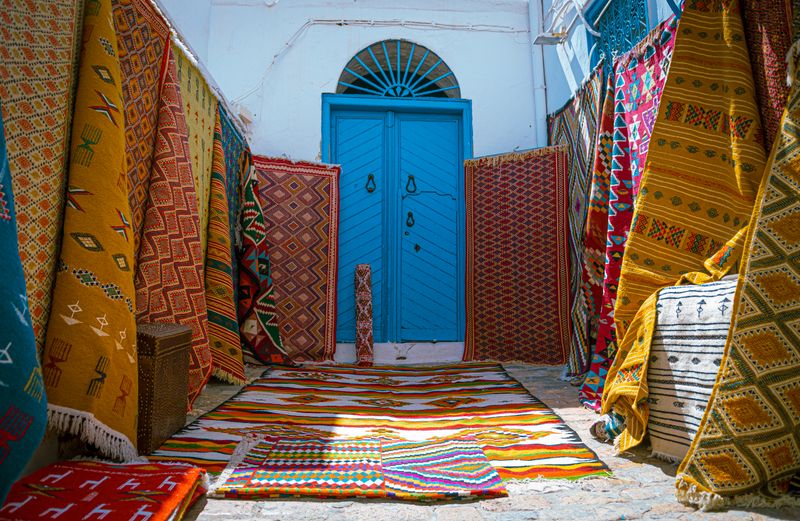
The UNESCO-listed old city is a maze of narrow lanes, covered souks and hidden palaces built up over centuries — coppersmiths, perfumers, chechia hat-makers and carpet sellers each in their own quarter, grand studded doors, and the odd rooftop terrace with views over the whole medieval tangle. It’s one of the best-preserved medinas in the Arab world and the beating heart of Tunis.
💡 Wander without a fixed route (getting a little lost is the point), climb to a rooftop cafe or terrace for the view, and haggle gently in the souks.
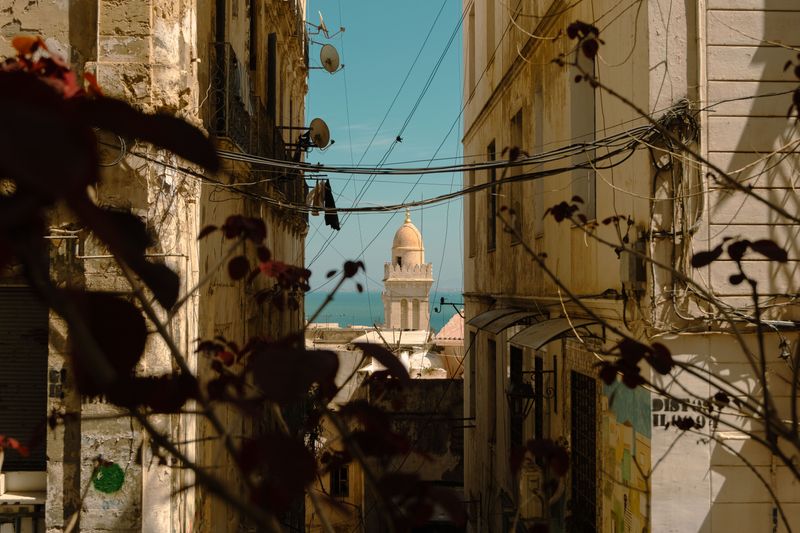
The Great Mosque of ez-Zitouna, at the medina’s core, is the oldest and most important in the capital — founded in the 8th century, its vast prayer hall built with columns salvaged from ancient Carthage. Non-Muslims can visit the courtyard and admire the architecture, a serene pause amid the bustle of the surrounding souks.
💡 The courtyard is open to visitors (dress modestly); the terrace of a nearby souk rooftop gives the classic view over the mosque and medina.
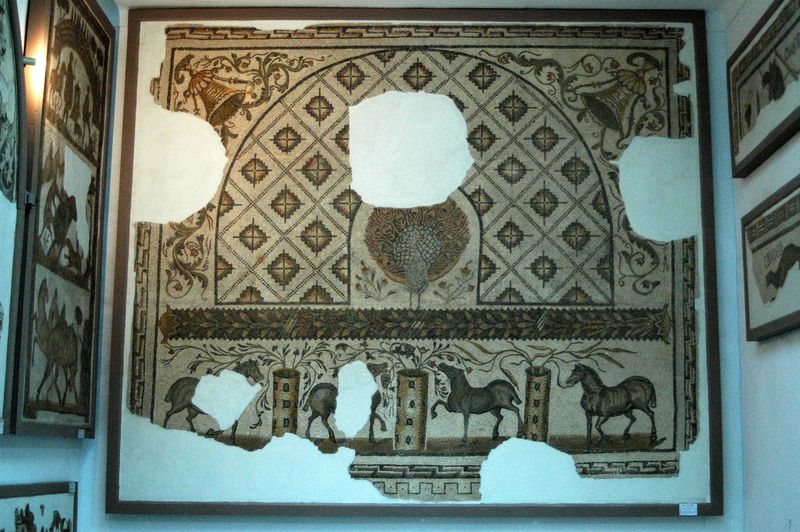
One of the greatest archaeological museums in the world, set in a former Ottoman palace — the Bardo holds the finest collection of Roman mosaics anywhere, salvaged from across Tunisia’s astonishing wealth of ancient sites. Room after palatial room glitters with vast, intricate floor mosaics of gods, hunts and daily life, from Carthage, Dougga and beyond.
💡 Allow a couple of hours — the sheer scale and quality of the mosaics is overwhelming; the Virgil mosaic and the Ulysses scenes are highlights.
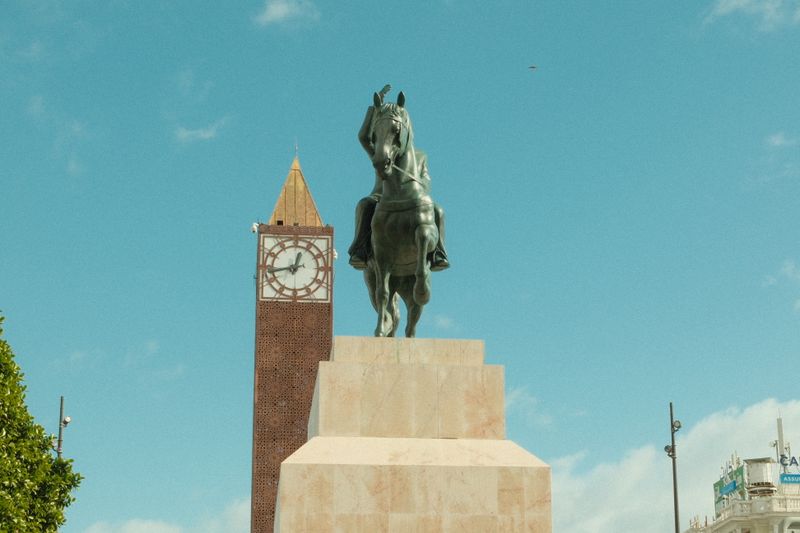
Through the medina’s Sea Gate (Bab el Bhar) lies a different world — the French-built new town, whose grand Avenue Habib Bourguiba is a tree-lined boulevard of belle-époque facades, cafes, the Catholic cathedral and the clock tower, often called ‘the Champs-Élysées of Tunis’. It’s the city’s social spine, made for an evening stroll and a coffee.
💡 Join the evening passeggiata along the avenue, grab a pavement-cafe table, and note the contrast between colonial grandeur and the medieval medina behind.
Tunisian food is one of the Mediterranean’s underrated cuisines — spicier than its neighbours, thanks to fiery harissa chilli paste, which accompanies almost everything. Start with a brik (a crisp fried pastry with egg and tuna), then couscous (the national dish, often with lamb or fish), grilled fish on the coast, and slow-cooked tagines and stews. Street food is cheap and excellent — fricassé sandwiches, lablabi (a garlicky chickpea soup), and merguez sausages — while the medina’s cafes serve mint tea with pine nuts and thick Turkish-style coffee. Sweets run to baklava, makroudh (date pastries) and bambalouni doughnuts. It’s a cheap city to eat well in: a medina lunch or a plate of couscous costs very little, and the produce, olives and citrus are superb.
Plunge into the UNESCO medina’s souks and lanes to the Zitouna Mosque’s courtyard, climbing a rooftop terrace for the view over the medieval city, mint tea in hand.
Take the metro to the Bardo Museum for the world’s greatest collection of Roman mosaics, then a couscous or brik lunch — Tunisian food at its fiery best.
Ride the TGM train out to the ancient ruins of Carthage above the sea, then the blue-and-white cliff village of Sidi Bou Saïd for coffee with a Mediterranean view.
Back in town for the evening promenade along tree-lined Avenue Bourguiba, a pavement-cafe coffee, and a Tunisian dinner in the Ville Nouvelle or medina.
The cheap TGM light rail links central Tunis with Carthage, Sidi Bou Saïd and the beach suburb of La Marsa — the easy way to see the coast’s highlights.
Tunisian food is spicier than its neighbours’ — harissa comes with everything; try a brik and a proper couscous, and eat cheaply in the medina.
Tunis is one of the Mediterranean’s cheapest capitals — medina guesthouses, street food and museums all cost very little.
Bargaining is expected in the medina — keep it friendly and good-humoured; a polite ‘la, shukran’ (no, thanks) handles persistent sellers.
Some souks and sights are quieter or closed around Friday prayers and on Sundays — plan the medina for a weekday morning when it’s busiest and best.
Tunis is relaxed and friendly for visitors — normal city common sense applies; dress modestly at religious sites and in the medina.
Reliable metro, TGM and walking directions across Tunis and to Carthage.
Free
The main ride-hailing app in Tunis — cheap, metered and easier than street taxis.
Free
Convert Tunisian dinar prices for souks, cafes and tours (note the dinar can’t be taken out of the country).
Free
Multi-currency card with strong rates — useful for the region; carry dinar cash for the medina.
Free
The medina capital of Tunis, ancient Carthage, the blue-and-white village of Sidi Bou Saïd, the holy city of Kairouan and the island of Djerba — Tunisia layers Mediterranean, Roman and Saharan worlds.