ET
Bahir Dar
Lake Tana, island monasteries and the Blue Nile
Lake Tana, island monasteries and the Blue Nile
⚠️ Travel advisory: check before you go
Governments advise against travel to parts of Ethiopia, including areas of Amhara, Tigray and regions near the borders, because of armed conflict and unrest. Check the latest advice for your route, especially for Lalibela and Gondar.
Latest official advice: UK FCDO · US State Department · Reviewed September 2026
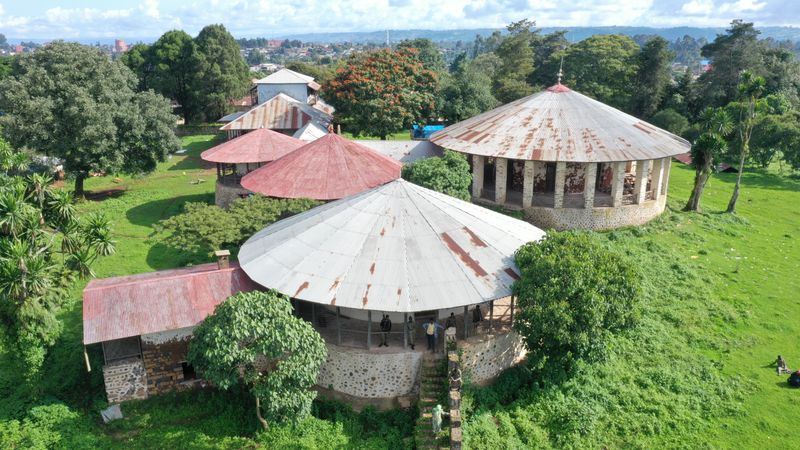
Scattered across Ethiopia’s largest lake are around twenty medieval Orthodox monasteries, hidden on forested islands and peninsulas, reached only by boat. Their round churches shelter astonishing wall-to-wall murals of biblical scenes, ancient illuminated manuscripts, crosses and even the reputed remains of emperors. Ura Kidane Mihret on the Zege Peninsula is the most accessible and richly painted; some island monasteries admit men only.
A half-day boat trip visits several monasteries — Ura Kidane Mihret for its murals is a must; note some islands are closed to women, and modest dress is required.
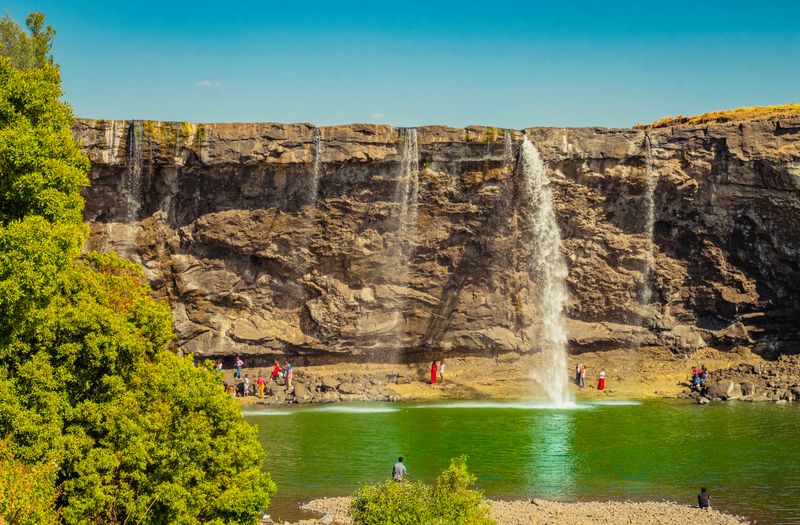
About an hour from the city, the Blue Nile plunges over the Tis Issat (‘Water that Smokes’) falls — a broad curtain of water and spray amid green highland scenery, crossed by a 17th-century Portuguese-built stone bridge and reached by a walk through villages and farmland. Flow varies with the season and a nearby dam, but in the rains the falls are a magnificent, thundering sight.
The falls are fullest in and just after the rains (roughly Sep–Oct); the walk to the viewpoints passes rural life — wear decent shoes and take a local guide.
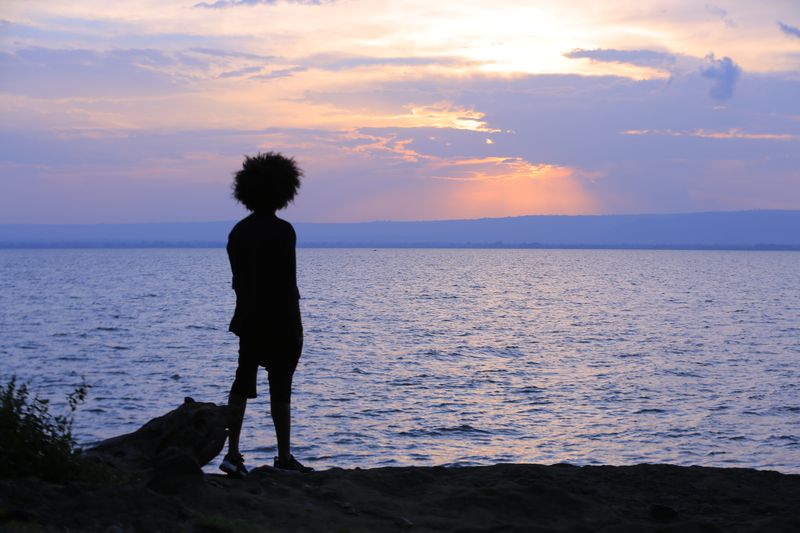
Bahir Dar itself is a pleasure — a green, orderly city of palm-lined boulevards along the lakeshore, with waterfront cafes and hotels, papyrus tankwa canoes and pelicans on the water, and a large, colourful market spilling with produce, spices, textiles and crafts. Sunset boat cruises and lakeside walks capture the city’s easy, warm-climate charm.
Take a sunset boat cruise for the pelicans, papyrus canoes and golden light; the market is lively and good for local weavings and baskets.
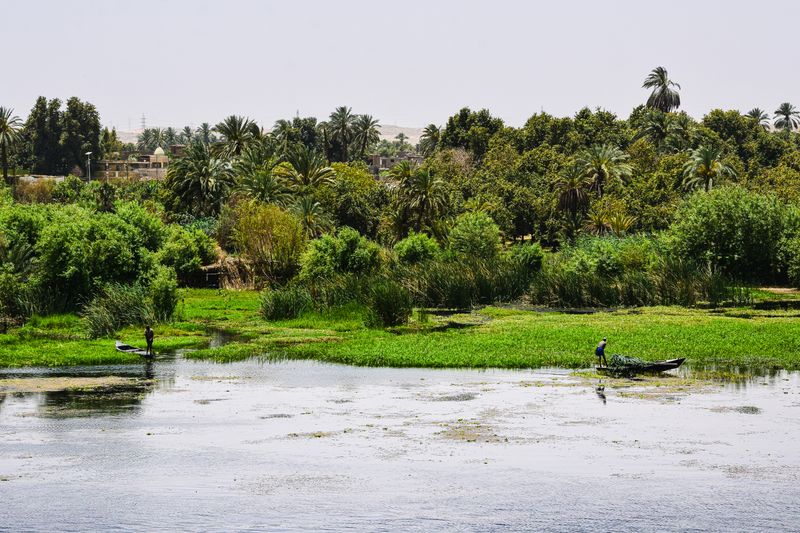
For the view, drive up Bezawit Hill to the old palace of Haile Selassie, which overlooks the point where the Blue Nile flows out of Lake Tana to begin its epic journey — a fine panorama over the lake, the river and the city, especially at sunset. Hippos are sometimes seen where the river leaves the lake.
Bezawit Hill at sunset gives the classic view over the lake and the Blue Nile’s outlet; the hippos near the outlet are an occasional bonus.
Bahir Dar’s food is highland Ethiopian with a lakeside bonus — fresh fish from Lake Tana. Alongside the usual injera with spicy wat stews (doro wat, tibs, shiro and the excellent vegetarian fasting platters), look for asa (fish) served grilled, in a spicy stew, or as the local asa lebleb, and the ubiquitous fish goulash and cutlets in lakeside restaurants — a welcome variety in a country of highland meat and pulses. Waterfront cafes and hotel terraces make the most of the setting, and the warm climate makes outdoor dining a pleasure. Coffee ceremonies are everywhere, fresh tropical fruit and juices are abundant (the lower altitude helps), and St George beer and local tej accompany dinners. It’s cheap, relaxed and scenic — a plate of fresh Tana fish or a shared injera feast on a lakeside terrace at sunset is the essential Bahir Dar meal.
Take a morning boat across Lake Tana to the Zege Peninsula’s Ura Kidane Mihret and other island monasteries, their round churches ablaze with ancient murals.
Back at the lakeside for a lunch of fresh Lake Tana fish — grilled or in a spicy stew — on a waterfront terrace among the pelicans and papyrus canoes.
Drive out to the Tis Issat ‘Smoking Water’ falls, walking through villages and over the old Portuguese bridge to watch the Blue Nile thunder down.
Climb Bezawit Hill for sunset over the lake and the Blue Nile’s outlet, then a coffee ceremony and an easy lakeside dinner in Ethiopia’s most relaxed city.
The island monasteries are Bahir Dar’s highlight and reachable only by boat — a half-day trip visits several; Ura Kidane Mihret’s murals are unmissable.
Following ancient rule, several Lake Tana island monasteries admit men only — check before you go; modest dress and shoe removal are required at all.
The Blue Nile Falls are grandest in and after the rains (Sep–Oct) and reduced when a nearby dam diverts water — ask locally about current flow before the trip.
Bahir Dar sits lower than the northern highlands, so it’s warm and pleasant — a relaxing base with tropical fruit and a gentle pace; pack lighter clothing.
Fresh Lake Tana fish is a treat in a highland-meat country — grilled asa or fish stew at a lakeside restaurant is the local specialty.
Like all Ethiopia, Bahir Dar is cheap but cash-based (birr) — carry enough; boats, guides and meals all cost very little.
Orient yourself around Bahir Dar, the lakeshore and the falls road.
Free
How hotels, boat operators and guides across Ethiopia communicate and take bookings.
Free
Multi-currency card for the region — but bring birr cash; card acceptance is very limited.
Free
The highland capital Addis Ababa, the rock churches of Lalibela, the castles of Gondar, Lake Tana at Bahir Dar and ancient Axum — Ethiopia’s historic north is one of Africa’s great journeys.
Planning a wider trip? Our Ethiopia travel guide covers getting there, costs, when to go and more.