ID
Jakarta
The Megacity at Java's Tip
The Megacity at Java's Tip
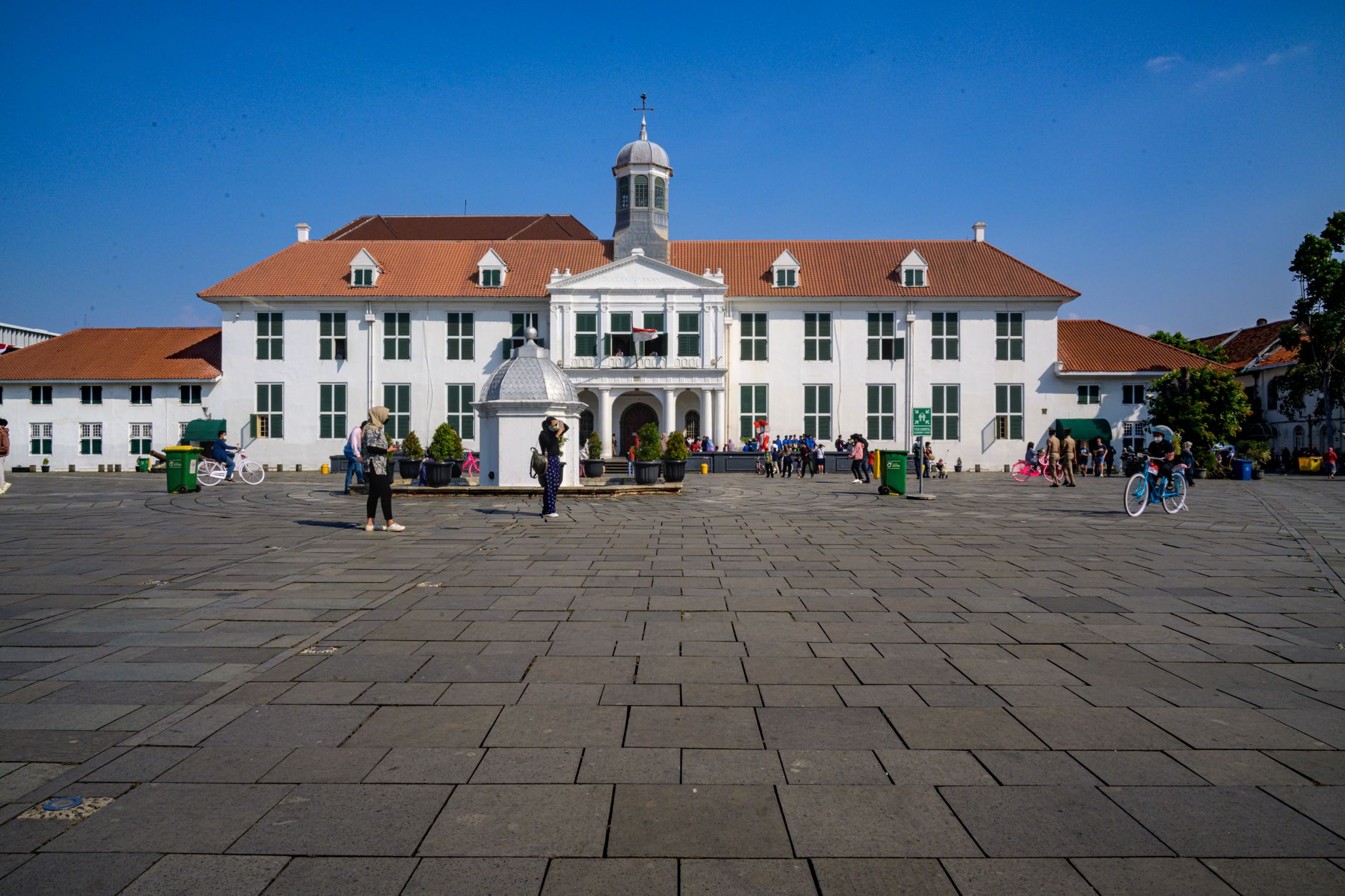
Kota Tua was Batavia, the 17th-century headquarters of the Dutch East India Company (VOC) — for 200 years the richest trading port in Asia. Fatahillah Square is surrounded by the Governor’s residence (now the Jakarta History Museum), the fine arts museum in the old city hall, and a row of VOC warehouses converted to cafes.
Kota Tua’s Fatahillah Square is best at 7am before the bicycle rentals and weekend crowd arrive — the Dutch colonial architecture and VOC warehouses are most atmospheric in the early morning light.
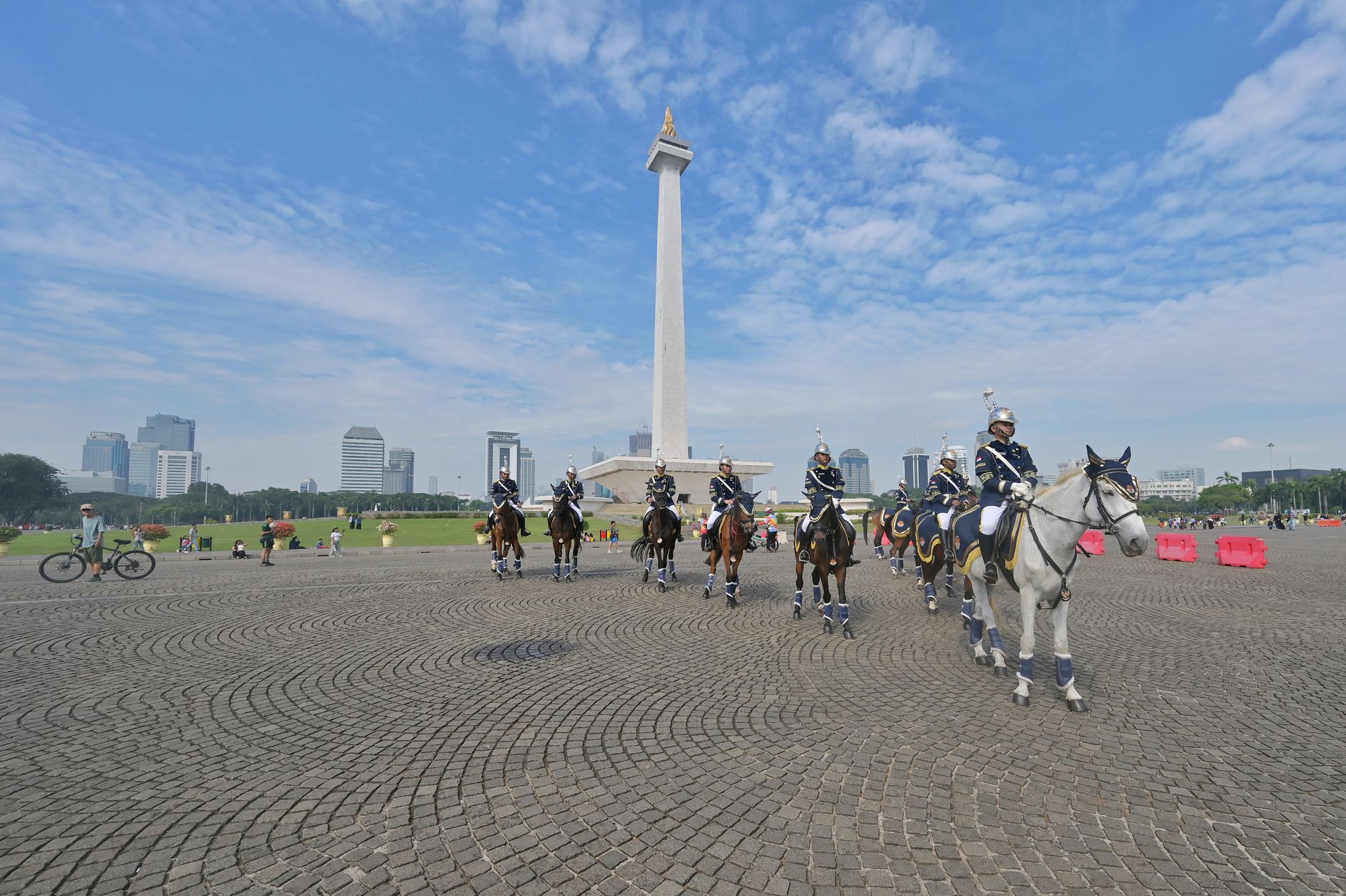
Monas — the 132-metre marble and gold-leaf flame obelisk in the centre of Merdeka Square — was built by Sukarno between 1961 and 1975 as the symbol of Indonesian independence. The lift to the top observation deck (Rp 20,000) gives a 360° view of Jakarta’s endless urban horizon.
The MRT covers Lebak Bulus to Kota in 45 minutes for Rp 14,000 — what a taxi takes 2 hours in traffic. Buy a rechargeable MRT card at any station (Rp 30,000 deposit; top up as needed).
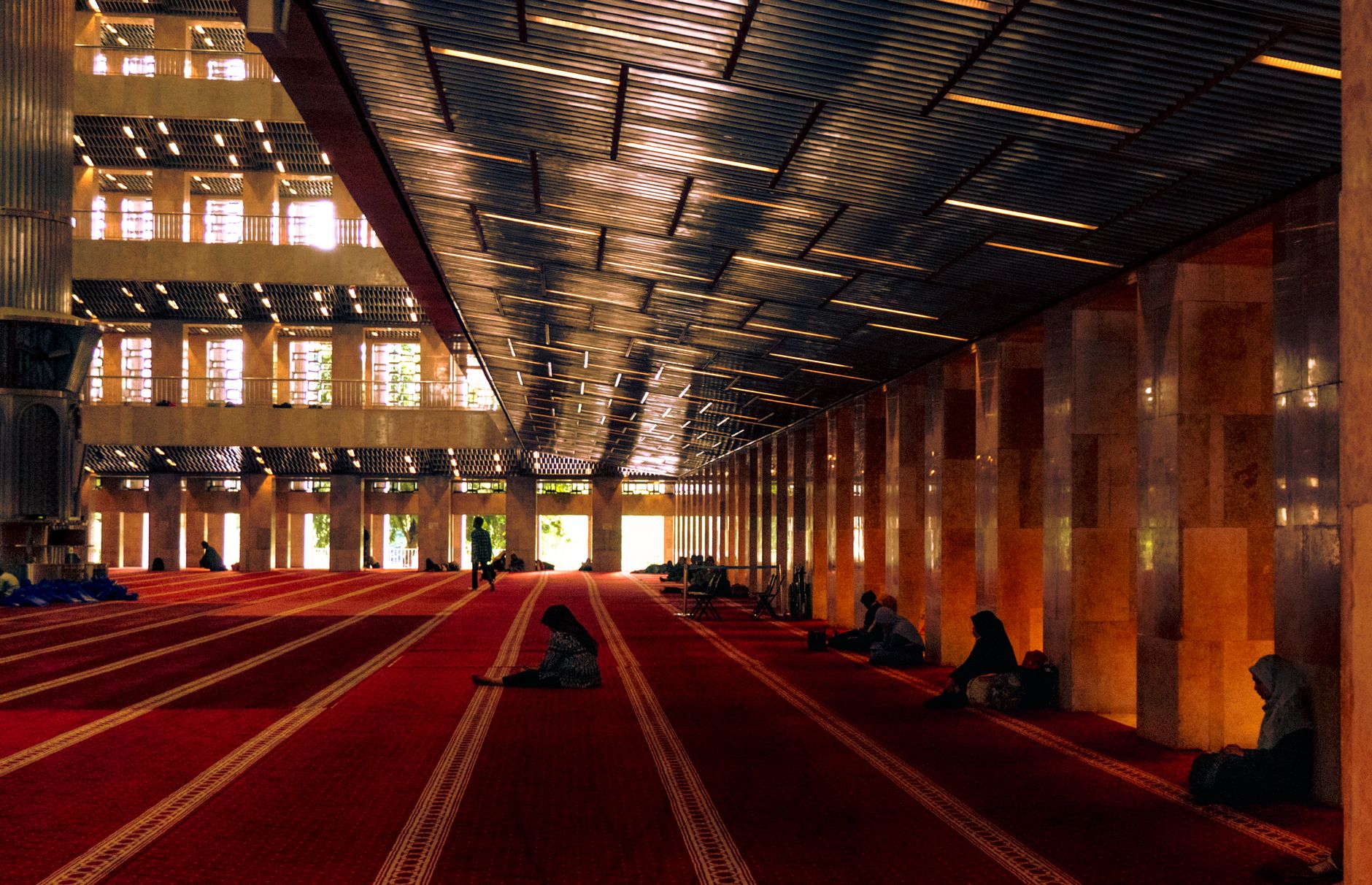
Istiqlal Mosque is the largest mosque in Southeast Asia and the third-largest in the world — capacity for 200,000 worshippers, built between 1961 and 1978 to mark Indonesian independence. Free guided tours in English run daily from the main entrance; modest dress is required.
Glodok’s Petak Sembilan canal market is best between 7 and 9am — the dried goods stalls, Chinese medicine vendors, and the Dharma Bhakti Temple (built 1650) are at their most atmospheric.

Glodok is the largest ethnic Chinese neighbourhood in Indonesia, dating to the VOC era. The Petak Sembilan canal-side market (7–11am) has traditional Chinese medicine stalls, dried seafood, and ceremonial goods around the Dharma Bhakti Temple, built in 1650 — the finest market corner in Jakarta.
The Istiqlal Mosque free guided tour (daily; English-speaking guides at the main entrance) is the finest architectural experience in Jakarta — the scale of the 200,000-capacity interior must be seen to be understood.
Jakarta has the most diverse restaurant scene in Indonesia and the largest concentration of Indonesian regional cuisines in any single city: the soto betawi (the Jakarta coconut milk and beef tripe soup; the defining Betawi dish; IDR 20,000–40,000 at any soto betawi warung in the Kota Tua area; the most specifically Jakarta food), the kerak telor (the sticky glutinous rice omelette cooked on charcoal; the Betawi street food found only in the Kota Tua and Glodok area; IDR 15,000; best eaten fresh from the stall), the gado-gado (the Jakarta-style peanut sauce vegetable salad; the best version at the Gado-Gado Boplo chain, Jalan Ir. H. Juanda; IDR 30,000–50,000), the martabak (the thick stuffed pancake; sweet or savoury; IDR 25,000–80,000 from the martabak carts on the evening street corners; the most satisfying late-night Jakarta street food), and the es teler (the coconut, jackfruit and avocado dessert drink; IDR 15,000; available throughout the city) are the five quintessentially Jakarta foods. The Kemang district in South Jakarta (the tree-lined expatriate restaurant strip; the finest restaurant concentration in the city; the Japanese, Korean, Italian, contemporary Indonesian and craft beer addresses) is the destination for international dining. The Grand Indonesia and Pacific Place malls (the CBD mall food courts; the most air-conditioned lunch option during the Jakarta midday heat) serve every Indonesian regional cuisine simultaneously.
The MRT Jakarta (the north–south Lebak Bulus to Bundaran HI line; the 16 stations; IDR 3,000–14,000 depending on distance; purchase a JakCard or Flazz e-money card from the station; the most comfortable single transport experience in Jakarta; the CBD corridor from Bundaran HI to Blok M) and the TransJakarta BRT (the 251km bus rapid transit network; IDR 3,500 flat fare with e-money card; the Harmoni interchange for the Kota Tua and Glodok connections; the most extensive network) together cover 80% of a tourist’s Jakarta itinerary. Gojek or Grab (IDR 20,000–80,000 for most journeys; essential for Kemang, Menteng and the areas not served by rail) are the correct option for all other journeys. The Blue Bird metered taxi (the blue Innova; the meter starts at IDR 7,500; the only honest metered taxi in Jakarta; never accept unmarked taxis) is available throughout the city. Walking between the Monas, the Istiqlal Mosque, the Jakarta Cathedral and the National Museum can be done in 30 minutes in the dry season (bring water; the tropical sun in Jakarta is unfiltered by altitude); the Kota Tua is 10 minutes further north by BRT.
Kota Tua at 7am — Fatahillah Square before the bicycle rentals and weekend crowd arrive — has the Dutch colonial architecture at its most atmospheric.
The Jakarta MRT covers Lebak Bulus to Kota in 45 minutes for Rp 14,000 — what a taxi takes 2 hours in traffic.
Kerak telor (glutinous rice with egg, coconut and dried shrimp; Rp 20,000–30,000) is the most specifically Jakartanese street food.
Glodok is the largest Chinatown in Indonesia — the Petak Sembilan canal market (7–11am) is the most atmospheric corner, with traditional Chinese medicine stalls and the Dharma Bhakti Temple built in 1650 AD.
Sunda Kelapa (the old Batavia port; free to walk; best before 9am) has Bugis Pinisi schooners loading cargo exactly as they have for 400 years.
The KRL Commuter Line from Jakarta Kota station to Bogor (Rp 5,000; 1h; departs every 10 minutes) is the fastest and cheapest way to reach the Bogor Botanical Garden.
Jun–Sep is the driest and most comfortable (28–33°C; the best air quality; the Kota Tua walkable without flood risk). Jan–Feb is the wettest — annual flooding in the Kota Tua area; still visitable but plan around rainfall. Avoid Lebaran week for transport.
Three days: Kota Tua at dawn, the Monas and Istiqlal, Glodok kerak telor, the National Museum, and a Bogor or Thousand Islands day trip.
Kota Tua at 7am — Fatahillah Square, Jakarta History Museum, the VOC warehouses. Glodok Chinatown for the Petak Sembilan market. Istiqlal Mosque and the Cathedral opposite. Monas observation deck.
The Jakarta History Museum in Kota Tua (the old Dutch City Hall) has the finest collection of 17th-century VOC artefacts in Asia — the ground floor cells where VOC prisoners were held are intact and open.
National Museum (9am; the finest archaeological collection in Southeast Asia; Rp 15,000). Menteng neighbourhood walk. Kemang for the evening restaurant scene.
The Bogor Botanical Garden contains the largest Rafflesia arnoldii specimen in Java — the world’s largest flower, blooming only a few days at a time. Ask the garden staff about current blooms; the schedule is unpredictable.
KRL train from Jakarta Kota to Bogor (1h; Rp 5,000). Bogor Botanical Garden (87 hectares; the Presidential Palace in the grounds; 3–4h). Return to Jakarta by 4pm.
Jakarta’s food scene is concentrated in Kemang (south Jakarta; the expat and creative class district) and in the night markets around Blok M. Neither is near the tourist sights — budget an extra Gojek trip.
Jakarta has the highest hotel prices in Indonesia (the CBD business hotels) but the cheapest street food. The BRT (IDR 3,500) and the KRL commuter rail (IDR 7,000) make transport nearly free. Per person per day.
The kerak telor (IDR 15,000), the soto betawi (IDR 25,000), the gado-gado (IDR 30,000) and the martabak (IDR 30,000) — the four defining Betawi foods — together cost IDR 100,000 (€5.70).
The Bogor Botanical Garden day trip (KRL Commuter Line IDR 7,000 each way + IDR 25,000 garden entry = IDR 39,000 total)
The SKYE Restaurant and Bar (Level 56 of the BCA Tower at the Grand Indonesia mall complex)
Download the Jakarta area for offline navigation, walking directions and public transport routes.
Free
Download the Indonesian offline pack and use camera mode for menus and signs.
Free
Book tours, day trips and skip-the-line tickets in and around Jakarta.
Free
Quick answers to the questions travellers most often ask before visiting Jakarta.
The dry season (May-September) is the most comfortable; the October-April wet season brings heavy rain and occasional flooding. It’s hot and humid year-round.
One to two days for the old Dutch quarter of Kota Tua, the National Monument (Monas) and museums, and the city’s malls, food and nightlife — many travellers pass through en route elsewhere.
Traffic is heavy, so use the new MRT, the TransJakarta busway and ride apps like Grab and Gojek. Allow plenty of time for journeys.
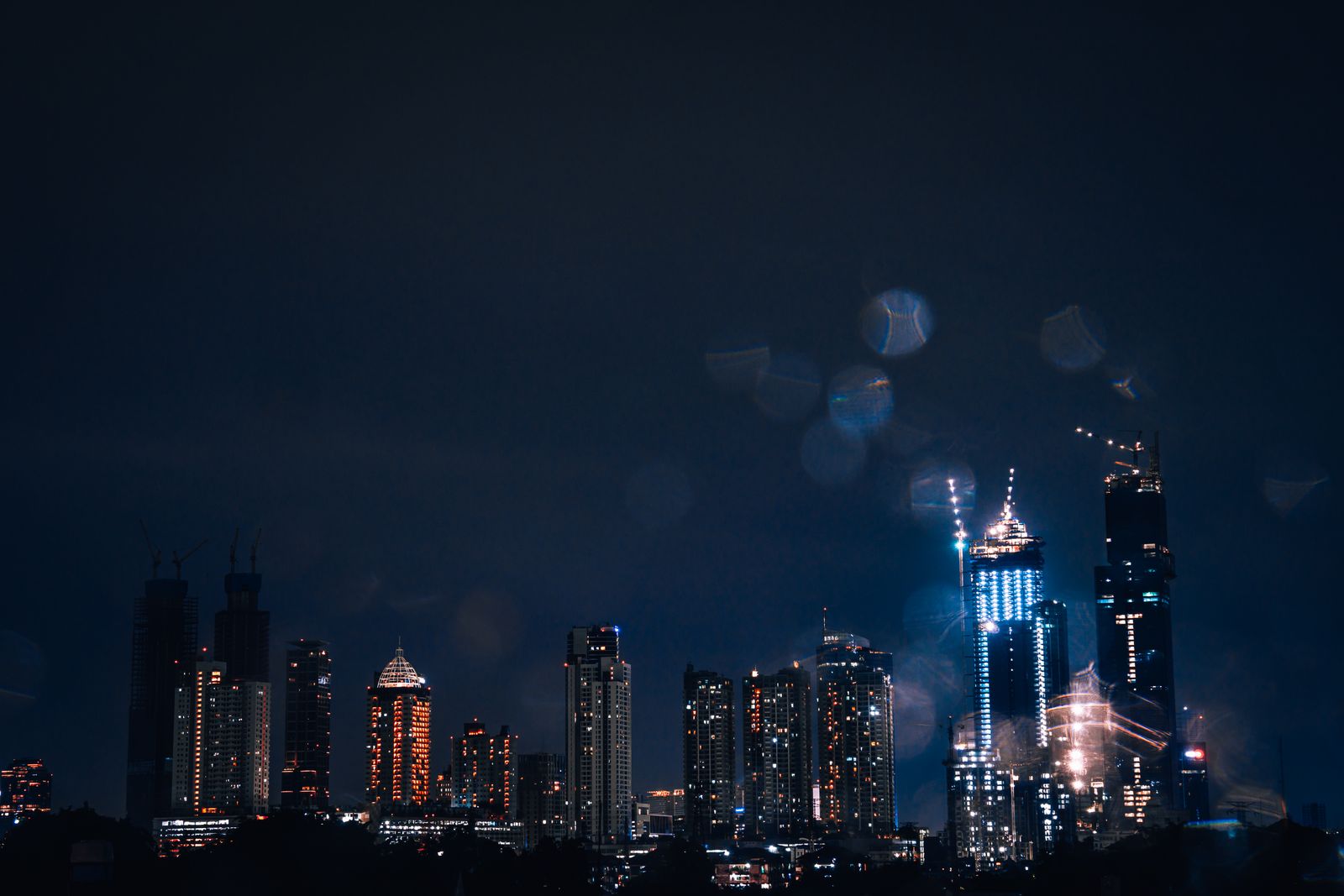
Indonesia’s sprawling megacity capital — the historic Dutch quarter of Kota Tua, the towering Monas monument, vast malls and a lively dining and nightlife scene, and its role as the country’s main transport hub.
Explore more of Indonesia’s extraordinary cities and landscapes.
Planning a wider trip? Our Indonesia travel guide covers getting there, costs, when to go and more.