ID
Indonesia
Volcanoes, temples and 17,000 islands
Volcanoes, temples and 17,000 islands

Ubud’s rice terrace walks, the Tegallalang terraces, the Monkey Forest, the Tirta Empul holy spring temple (bathing pools still in active use) and the Tanah Lot sea temple at sunset.
Photo: Jakub Hałun, CC BY-SA 4.0

The world’s largest Buddhist temple (9th century, UNESCO): 2,672 relief panels, 504 Buddha statues and 72 stupas arranged in concentric squares. The sunrise from the top tier above the mist is impressive.
Photo: Heri nugroho, CC BY-SA 4.0
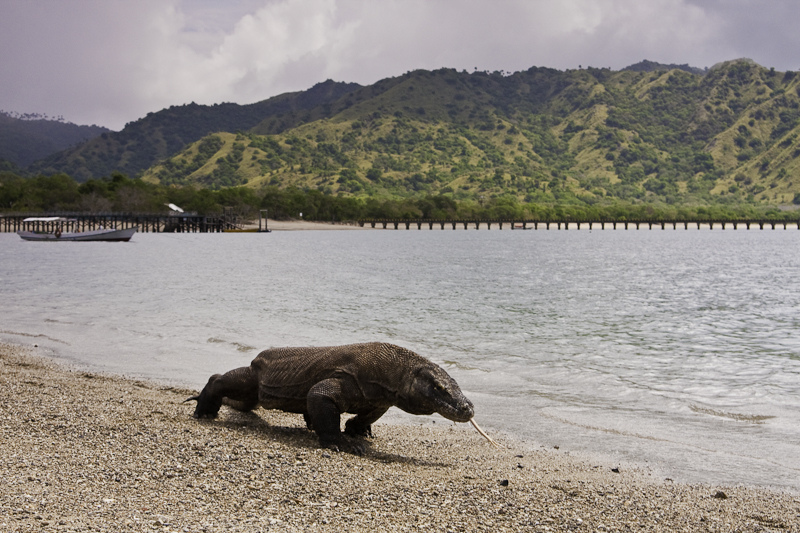
The world’s only place to see Komodo dragons (up to 3m, the world’s largest lizard) in the wild. The marine environment has the greatest marine biodiversity on earth.
Photo: Adhi Rachdian from Indonesia, CC BY 2.0

An archipelago of 1,500 islands with the world’s most biodiverse coral reef system: 75% of the world’s coral species in one place.
Photo: Keenan63, CC BY-SA 4.0

Bromo’s active caldera above a vast sand sea at dawn and the Ijen Crater’s blue fire (electric blue flames from burning sulphur gas, visible only at night) – two of Indonesia’s most dramatic volcanic landscapes.
Photo: Jakub Hałun, CC BY-SA 4.0

The Prambanan Hindu temple compound (9th century, UNESCO, 240 temples of Shiva, Vishnu and Brahma) and Yogyakarta’s Kraton (Sultan’s palace) and Malioboro Street batik culture.
Photo: CEphoto, Uwe Aranas, CC BY-SA 3.0

Torajan funeral ceremonies: multi-day celebrations with hundreds of water buffalo sacrificed; cliff burials in limestone karst; and boat-shaped tongkonan houses with distinctive curved roofs.
Photo: Arian Zwegers, CC BY 2.0

The world’s largest volcanic lake (100km x 30km, 450m deep) above a caldera that produced the largest volcanic eruption in the last 25 million years. The Batak people’s culture on Samosir Island.
Photo: Bisajunisa, CC BY-SA 4.0
Indonesian fried rice with sweet soy sauce (kecap manis), shrimp paste, shallots, garlic and topped with a fried egg. The national dish: eaten for breakfast, lunch and dinner throughout the archipelago.
Marinated meat skewers grilled over charcoal: sate ayam (chicken with peanut sauce), sate kambing (goat with sweet soy). Sold from street carts at night.
Beef slow-cooked in coconut milk and spices until dry and caramelised: a Minangkabau dish from West Sumatra. Voted the world’s most delicious food in multiple international polls.
Steamed vegetables, tofu and tempeh with peanut sauce, hard-boiled egg and crackers. Indonesian salad with a sauce of ground peanuts, tamarind and palm sugar.
Fermented soybean cake: nutty, protein-dense and the basis of several Indonesian dishes. Indonesian in origin; far superior to the versions exported.
Indonesia’s national lager (brewed under Heineken license): cold, light and the correct accompaniment to any Bali sunset.
Coffee made from beans passed through and excreted by civet cats: the world’s most expensive coffee by weight. Ethically sourced versions exist; the flavour is different (less bitter).
Stir-fried egg noodles with shrimp, vegetables and sweet soy sauce. The noodle version of nasi goreng; equally ubiquitous.
Bali Ngurah Rai (DPS) is the main tourist hub; Jakarta Soekarno-Hatta (CGK) handles most long-haul traffic. Yogyakarta (JOG), Lombok (LOP) and Labuan Bajo (LBJ, Flores/Komodo) are also well connected. Garuda Indonesia and Lion Air/Batik Air serve the domestic network. For trip planning, see the official Indonesia tourism portal.
Singapore Airlines via Singapore is consistently rated the best option for Bali from Europe — Changi is a great stopover airport and the connection times are convenient.
Australia is one of the closest long-haul markets to Bali — Melbourne and Sydney are under 6 hours direct, making Bali very popular with Australian travellers.
Domestic flights in Indonesia are cheap and frequent. Batik Air (Lion Air’s full-service brand) and Garuda are more reliable than budget Lion Air for connections and baggage.
The fast boats from Bali to the Gili Islands (Gili T, Gili Air, Gili Meno) are the standard way to reach Lombok’s island chain — book with established operators like Blue Water Express or Eka Jaya.
Bali and Java are best April–October (dry season). The dry season is ideal: clear skies, rice terraces lush, diving visibility at its best. November–March is wet — expect daily afternoon rain, though mornings are often clear. Flores and Komodo are best April–October.
📅 Indonesia is in its best season in May, June, July, August, September, October. See where else is good to go in those months, or browse where to go by month.
Indonesia is excellent value — one of the cheapest destinations in Southeast Asia for food and local transport, with high-quality accommodation at all price points.
A nasi campur — steamed rice with a selection of small dishes (chicken satay, tempeh, tofu, vegetables, sambal) — at a warung costs IDR 20–40k ($1.20–2.50). It’s one of the great cheap meals in the world.
A private villa with a rice field view in Ubud costs IDR 400–800k/night ($24–48) at mid-range — often including breakfast, a private pool and a setting.
The Four Seasons Sayan and Aman Ubud are two of the finest resort experiences in Asia — from $600/night, but set in rice terraces and jungle valleys that justify the expense for a special occasion.
Bali for five days — the south’s temples, the centre’s rice terraces, Ubud’s culture — with Yogyakarta and Borobudur to close. A return visit adds Lombok, the Gili Islands or Flores.
Seminyak and Canggu on Bali’s south coast are where most visitors land — beach clubs, restaurants, surf breaks. Get your bearings: rent a scooter (IDR 70,000/day), buy a local SIM card, eat nasi goreng. The sunset from Tanah Lot sea temple is 20 minutes north.
Grab (the ride-hailing app) works throughout Bali and Java. Use it for airport transfers and unfamiliar routes. Metered taxis are fine in tourist areas; unmarked vehicles are not.
1h drive to Ubud — Bali’s cultural and artistic heart. The Tegallalang rice terraces (sunrise or late afternoon for the best light). The Ubud Monkey Forest sanctuary. The Ubud Royal Palace at the centre of town. An evening of traditional Kecak fire dance.
The Kecak dance at Uluwatu temple (on a clifftop above the Indian Ocean, performed at sunset) is the finest performance in Bali — better than the in-town venues.
Pura Tirta Empul — the holy spring temple where Balinese Hindus perform purification rituals in the sacred pools (respectful visitors may participate). The village of Celuk for silver workshops, Mas for wood carving. An afternoon cooking class for the flavour foundations of Balinese cuisine.
The Tirta Empul purification ritual requires a sarong and respectful behaviour. The ritual pools are cold and sacred — not a performance for tourists but a living practice.
Mount Batur (1717m, an active volcano with a caldera lake) is a 2-hour hike starting at 3:30am for the sunrise from the summit. Tour operators run this from Ubud and Kintamani. Afternoon: Tirtagangga water palace (east Bali) and the black sand beach at Amed.
The Mount Batur sunrise hike is strenuous but non-technical. Wear layers — it’s cold at the summit (3–8°C) regardless of the heat below. A guide is required.
The Bukit peninsula south of Kuta: Uluwatu temple (75m above the ocean on a sheer cliff), Padang Padang beach (tiny, beautiful, carved through a rock crevice), Balangan beach (a long left-hand surf break). Dinner in Jimbaran Bay for seafood grilled on the beach at sunset.
The beaches of the Bukit — Dreamland, Bingin, Impossibles, Padang Padang — are among the finest in Bali. All are accessible by scooter on steep cliff roads.
1h flight from Denpasar (DPS) to Yogyakarta (JOG). “Jogja” is Java’s cultural capital — the kraton (Sultan’s palace complex, still occupied), the Prambanan Hindu temple complex (9th century, UNESCO), and the best batik workshops and silver work in Indonesia.
The Prambanan complex (built 850 AD) is the largest Hindu temple site in Southeast Asia. The central Shiva temple is 47m tall. Allow 3 hours for the main complex.
Borobudur is a 9th-century Buddhist stupa with 2,672 relief panels and 504 Buddha statues — the largest Buddhist monument on earth. At dawn, before the crowds, with mist in the valleys below, it is impressive. 1.5h from Yogyakarta.
The Borobudur Sunrise tour (starts 4:30am, limited tickets) accesses the upper levels before general opening. This is the way to see it — the dawn light, the mist, and almost no one else.
Both work across Indonesia. Gojek is the dominant app, also offering food delivery (GoFood).
Indonesia is the world’s largest Muslim nation. Covered shoulders and knees are appropriate outside beach and resort areas.
A warung meal: IDR 15,000-30,000 (EUR 1-2). Restaurant meals: IDR 50,000-150,000 (EUR 3-10).
The best coverage across the archipelago. Available at airports.
Indonesia’s island geography makes internal flights the only practical transport between major destinations.
Indonesia has 127 active volcanoes. Check PVMBG (Indonesian volcano monitoring) alerts before visiting volcanic areas.
Temple ceremonies, cremation processions and festival offerings are daily life, not performances.
Jam karet (rubber time) applies to social life; warmth and generosity are constants.
Quick answers to the questions people most often ask before visiting Indonesia.
Bali and Java are best April–October (dry season). The dry season is ideal: clear skies, rice terraces lush, diving visibility at its best.
Bali Ngurah Rai (DPS) is the main tourist hub; Jakarta Soekarno-Hatta (CGK) handles most long-haul traffic. Yogyakarta (JOG), Lombok (LOP) and Labuan Bajo (LBJ, Flores/Komodo) are also well connected. Garuda Indonesia and Lion Air/Batik Air serve the domestic network.
Expect roughly IDR 200–400k (about $12–24) a day on a budget and IDR 700k–1.4M (about $42–85) mid-range, or IDR 2.5M+ (about $150+) for a more luxurious trip, per person and excluding flights.
Indonesia uses the IDR.
Plug types: Type C / F (two-pin, 230V).
Indonesia’s super-app — ride-hailing (GoRide, GoCar), food delivery (GoFood), and payments; dominant in Java and Bali.
FreeBook Bali rice terrace tours, Komodo island trips, Borobudur sunrise and Indonesian experiences.
FreeBook hotels and villas across Bali, Lombok and the Indonesian archipelago.
FreeIndonesia’s dominant messaging platform — essential for contacting accommodation, drivers and local services.
FreeIndonesia’s national ferry company booking app — essential for inter-island travel to smaller destinations.
FreeExplore Indonesia’s top city destinations — from Seminyak to Ubud, each with its own distinct character.
Indonesia sits within easy reach of several other destinations — each with a completely different character.


