ID
Ubud
The Cultural Heart of Bali
The Cultural Heart of Bali
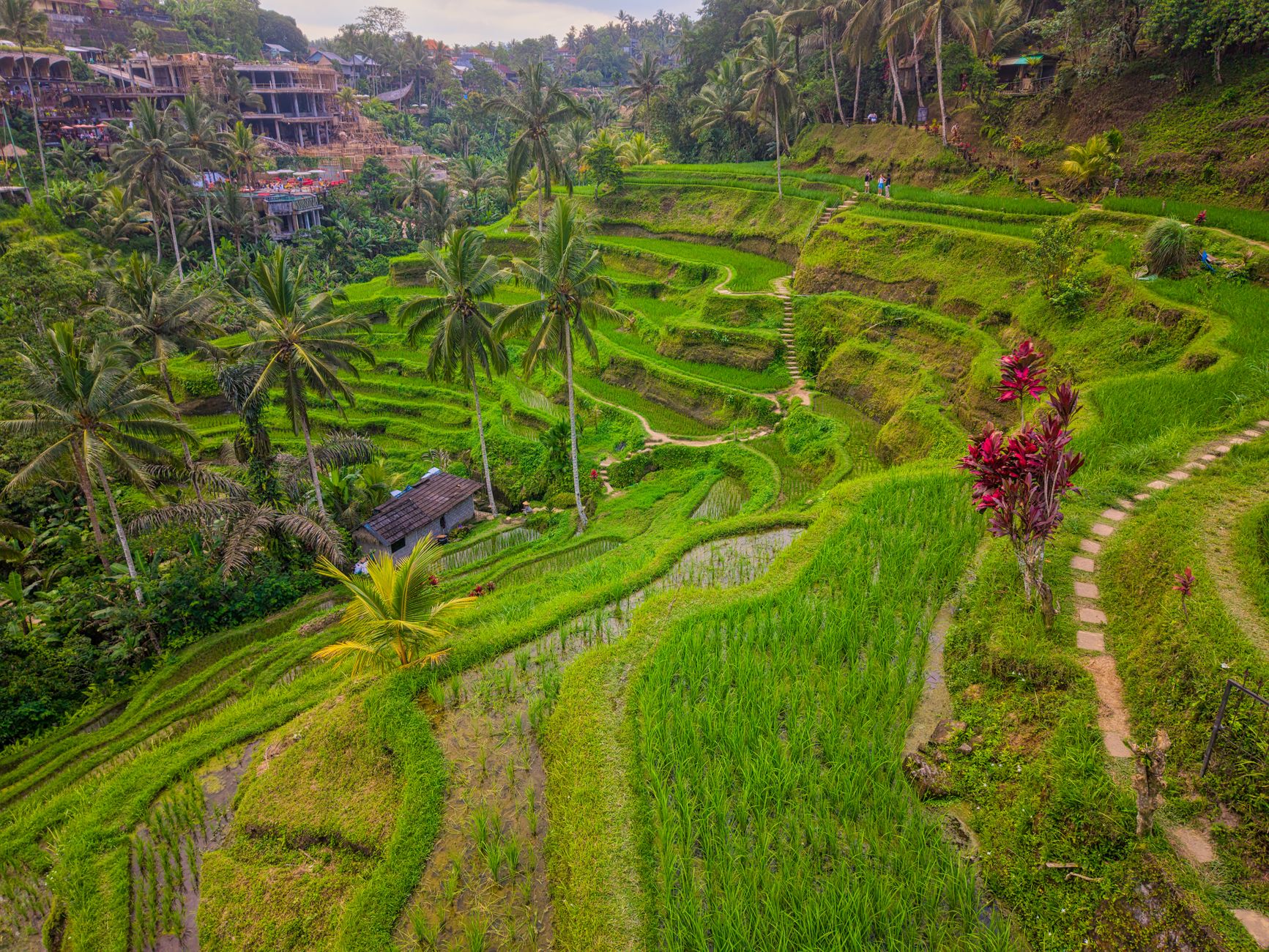
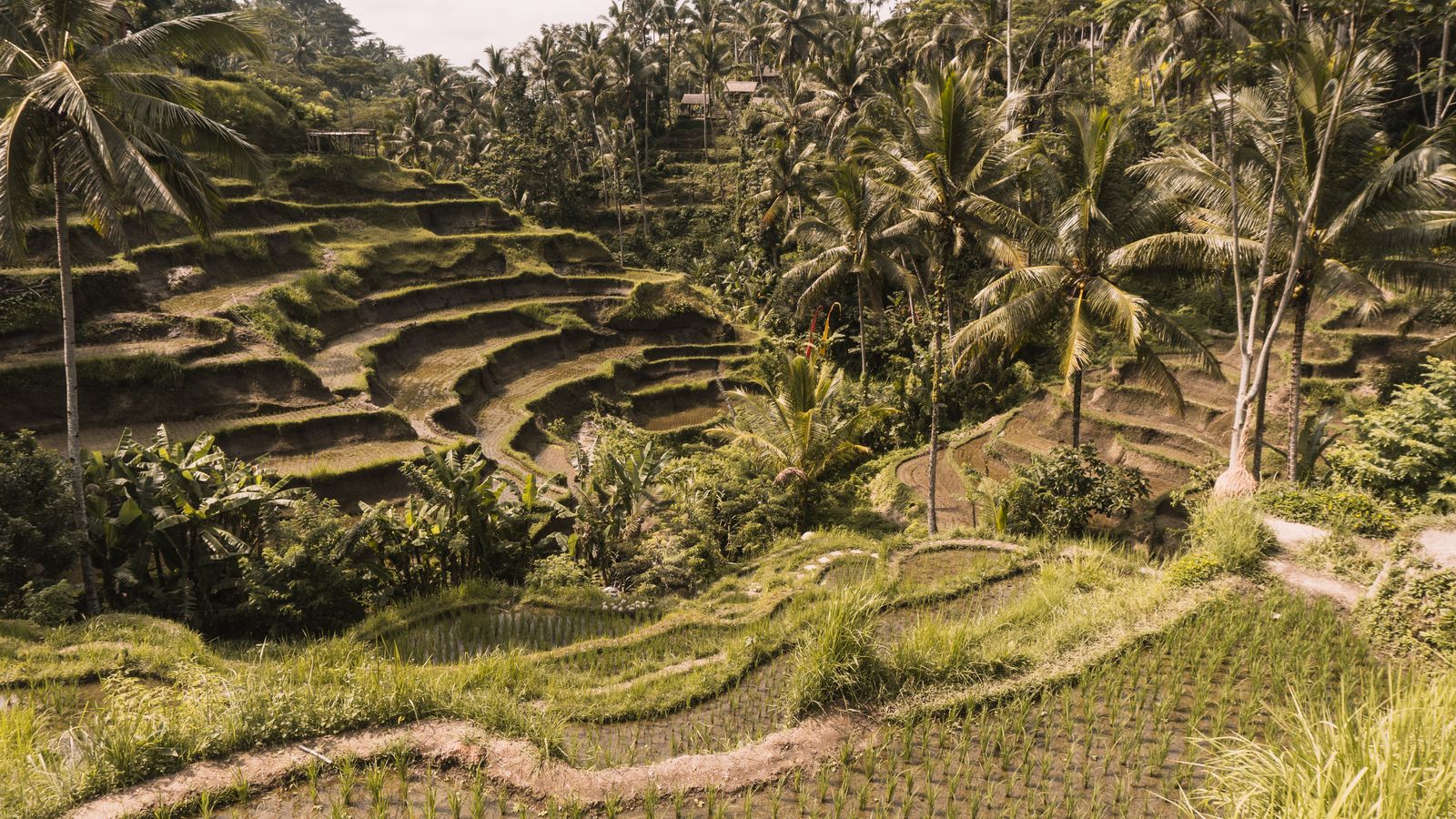
Tegalalang’s tiered rice paddies, 3km north of Ubud, are the finest example of Bali’s subak cooperative irrigation system — channels feeding the terraces have run since the 9th century. The green staircase is most vivid in the early morning light when mist is still in the valley.
Tegalalang at 7am, before the ticket collectors and swing operators arrive, gives you the terraces in the mist for free. The fee applies only after 8am when the commercial booths on the rim open.
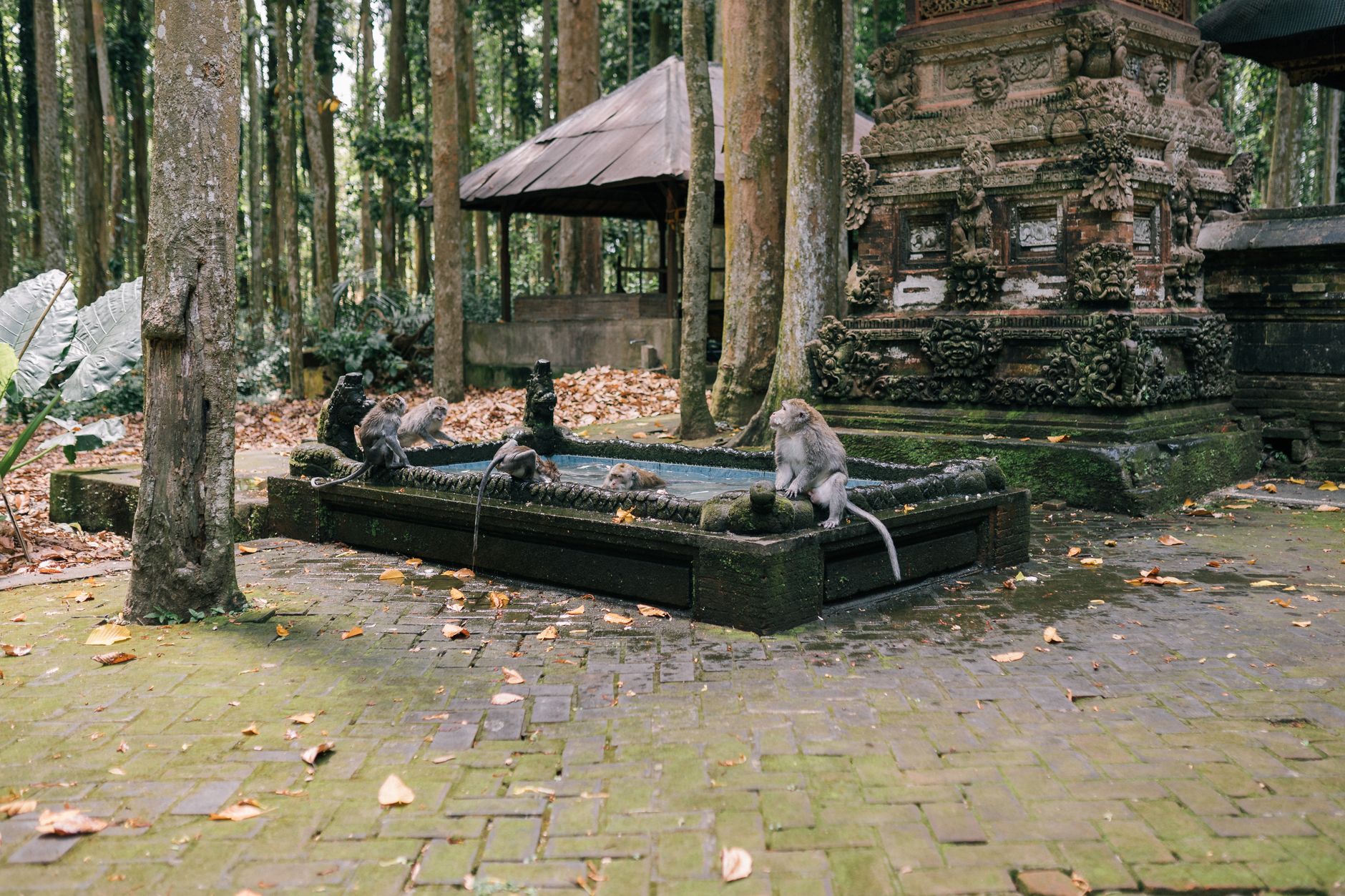
The Ubud Monkey Forest is a genuine Hindu sacred sanctuary housing 700 long-tailed macaques across 10 hectares of ancient temple grounds. Three temples stand within the forest, the oldest dating to the 14th century. The macaques are wild and unpredictable — keep bags firmly closed.
The Monkey Forest’s 700 macaques treat tourists as a food supply — keep bags zipped, remove sunglasses before entering, and never eat anywhere the monkeys can see you.
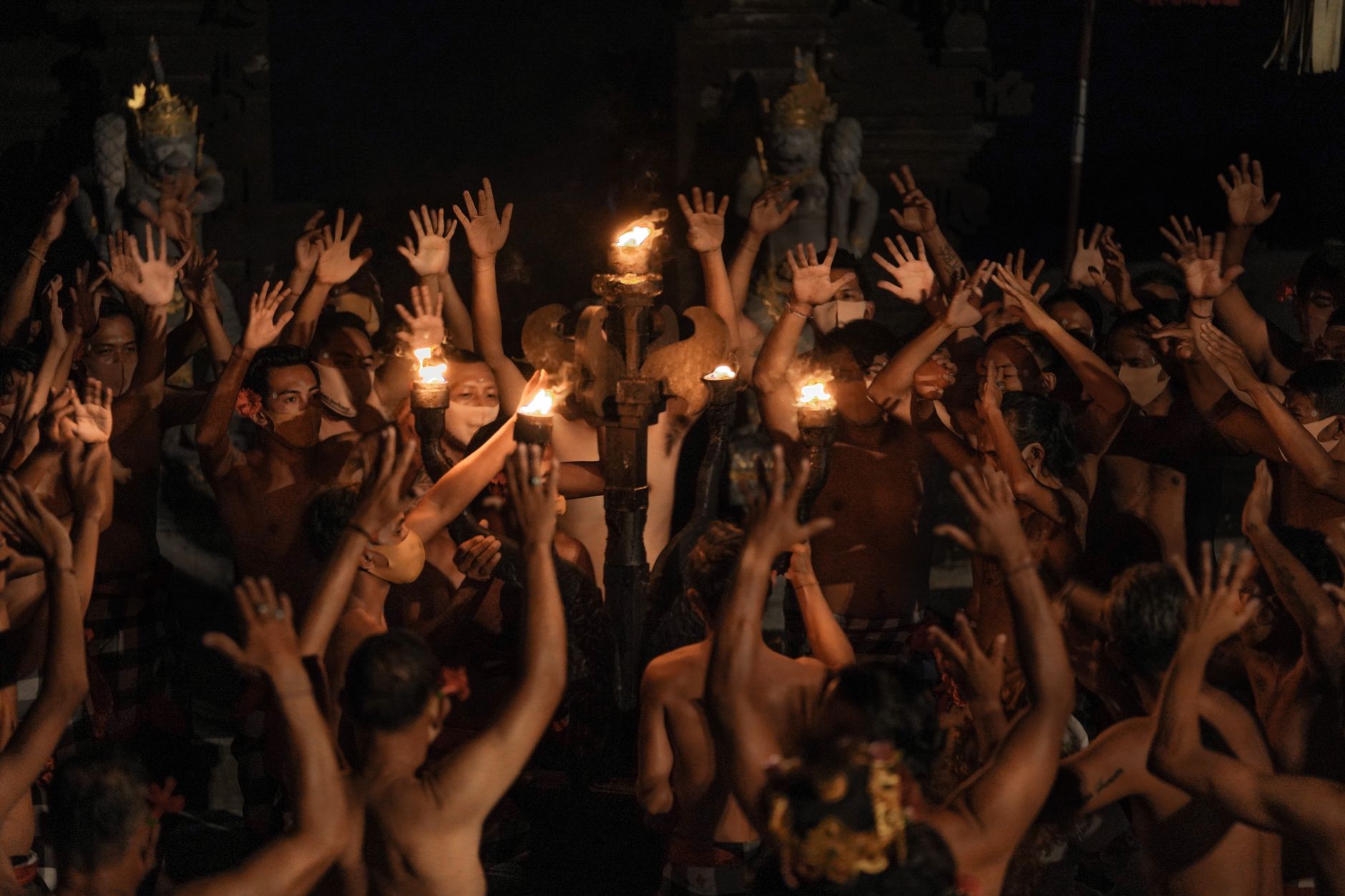
The Kecak fire dance at Pura Uluwatu (30km south; Rp 100,000; daily at 6pm) is performed at sunset on a cliff-edge stage above the Indian Ocean — the 50-man chorus chanting “kecak” creates a wall of sound while the Ramayana story unfolds in fire and costume.
The Kecak dance at Uluwatu is best booked at the temple gate the same day — arrive 45 minutes early for a front-row seat as the sun drops into the Indian Ocean behind the cliff-edge stage.

Tirta Empul (Rp 50,000; 23km from Ubud; the water purification temple of the God of Freshwater) has been a pilgrimage site since 960 AD — Hindu Balinese cleanse themselves in spring-fed pools. Respectful visitors may participate with a guide.
Tirta Empul’s pilgrim pools are least crowded at 8am on weekdays — the priests complete the morning ceremony first, then visitors may join the purification sequence with a guide.
Ubud has the most diverse and most culinarily self-aware restaurant scene in Bali: the traditional Balinese warung (the family-owned roadside restaurant; the nasi campur — the Balinese mixed rice plate with lawar, sate lilit, be tutu braised duck, tempeh and sambal; the most Balinese meal; IDR 20,000–40,000 at any warung on the side streets; Warung Babi Guling Ibu Oka — the most celebrated roast suckling pig restaurant in Bali; the crispy skin; the turmeric-and-herb-stuffed pig slow-roasted over coconut wood; IDR 60,000–80,000 pp; open until sold out, usually by 2pm; queue from 11am), the warungs of the Ubud market (the jamu herbal drinks; the fresh coconut; the banana fritters; the most local 7am experience in Ubud), and the contemporary Ubud restaurant scene (the Locavore — the finest Indonesian tasting menu restaurant outside Jakarta; the 7-course hyper-local menu; Jalan Dewi Sita; IDR 700,000–1,200,000 pp; book 2+ weeks ahead) make Ubud the most rewarding eating town in Bali.
Ubud town is walkable within the central area (the Monkey Forest Road, the Ubud Palace, the morning market and the main gallery strip are all within 15 minutes on foot), but the outer attractions (Tegalalang: 3km north; Tirta Empul: 15km north; Besakih: 40km east; Mount Batur: 35km north) require transport. A scooter (IDR 60,000–80,000/day; available at any hotel or rental shop; the most flexible option for confident riders; the Ubud roads are relatively quiet compared to southern Bali) is the most practical for independent exploration. A hired car with driver (IDR 300,000–500,000 for a full day; any hotel can arrange; the driver also functions as an informal guide) is the most comfortable for a group. Gojek (the Indonesian ride-hailing app; more coverage in Ubud than Grab) is the most reliable for town journeys and airport transfers.
Tegalalang rice terraces at 7am — before the Instagram cafes and swing operators open — gives you the paddies in the morning mist with almost no one else.
Babi guling (Bali spit-roasted suckling pig) is served from 11am at Ibu Oka near the Palace — arrive at opening to get the crackling before it runs out.
The Campuhan Ridge walk starts 10 minutes west of central Ubud — a 2km trail above the river valley through rice paddies and bamboo groves.
Ubud’s traditional healers (balians) are genuine practitioners, not tourist acts — a consultation costs Rp 100,000–300,000. Ask your hotel for a referral rather than booking through a tour operator.
A Balinese cooking class (Payuk Bali or Lobong; Rp 350,000–500,000; starts with a morning market tour) is the finest morning in Ubud.
The Monkey Forest’s 700 macaques are genuinely wild — they bite if approached with food. Keep bags zipped, sunglasses inside your bag, and don’t make eye contact while eating.
Apr–Oct is the dry season (26–30°C; the terraces intensely green; the Kecak evenings reliably dry). Jul–Aug is peak season — book villas 3+ months ahead. Nov–Mar is the wet season: afternoon rains but the waterfalls are fullest and prices lowest.
Three days: the Tegalalang terraces at dawn, Monkey Forest, babi guling lunch, Tirta Empul bathing, Mount Batur sunrise, and the Kecak fire dance.
Tegalalang rice terraces at 7am in the mist. Sacred Monkey Forest mid-morning. Campuhan Ridge walk. Kecak fire dance at Pura Uluwatu at 6pm (30km south).
The drive to Uluwatu for the Kecak dance takes 45 minutes from Ubud in light traffic — book a Gojek car (Rp 150,000 one-way) rather than a scooter for the coastal cliff road at dusk.
Tirta Empul water temple at 8am (23km; the pilgrim pools). Gunung Kawi royal tombs (nearby; cut into the cliff face). Tegalalang sunset from the ridge cafe.
Gunung Kawi, cut into a river gorge, is less visited than Tirta Empul and more dramatically sited — the 10th-century royal tombs carved directly into the cliff face are the finest rock-cut monuments in Bali.
4am departure for Mount Batur sunrise hike (45km north; 2h up; crater view over the caldera lake). Return to Ubud by noon. Rice paddy spa afternoon.
Mount Batur’s sunrise is reliably clear from April to October — outside these months cloud often covers the summit by 6am. The hike takes 2 hours up and 90 minutes down.
Ubud spans an extraordinary price range: the warung nasi campur (IDR 20,000 ≈ €1.10) to the Locavore tasting menu (IDR 1,200,000 pp ≈ €66). The rice field villa is the defining Ubud accommodation splurge. Per person per day.
The nasi campur (IDR 25,000), the babi guling (IDR 70,000), and the Campuhan Ridge Walk (free) give the essential Ubud cultural experience for under IDR 200,000 (€11).
The Locavore restaurant (Jalan Dewi Sita; the 7-course hyper-local Indonesian tasting menu; the finest fine dining in Bali; IDR 700,000–1,200,000 pp; book 2–3 weeks ahead) is the definitive Ubud food experience for the mid-range traveller.
The Capella Ubud (the tent-villa resort in the jungle above the Wos River; each canvas-and-wood villa suspended in the forest canopy; the most theatrical luxury accommodation in Bali; the butler; the private plunge pool in the forest; USD)
Motorbike and car rides across Ubud, Tegalalang, and the Bali temple circuit.
Free
Rice paddy villa and boutique hotel booking with real guest reviews across Ubud.
Free
Download the Indonesian offline pack and use camera mode for menus and signs.
Free
Download the Ubud and central Bali offline map before arrival — essential for the temple circuit without data.
Free
Quick answers to the questions travellers most often ask before visiting Ubud.
The dry season (April-October) is the best time, with sunnier days ideal for the rice terraces and temples. The November-March wet season is greener but sees frequent afternoon rain.
Three to four days for the rice terraces, the Sacred Monkey Forest, temples and the royal palace, plus art villages, a cooking class or a wellness retreat.
The centre is walkable, and scooters, hired drivers and the Grab and Gojek apps cover longer trips (with some local restrictions). Drivers are handy for reaching the wider sights.
The cultural and wellness heart of Bali — emerald rice terraces, the Sacred Monkey Forest, temples and the royal palace, traditional dance and crafts, yoga and wellness retreats, and lush jungle surroundings.
Explore more of Indonesia’s extraordinary cities and landscapes.
Planning a wider trip? Our Indonesia travel guide covers getting there, costs, when to go and more.