IM
Isle of Man
TT motorcycle races, world’s oldest parliament & Laxey Wheel
TT motorcycle races, world’s oldest parliament & Laxey Wheel
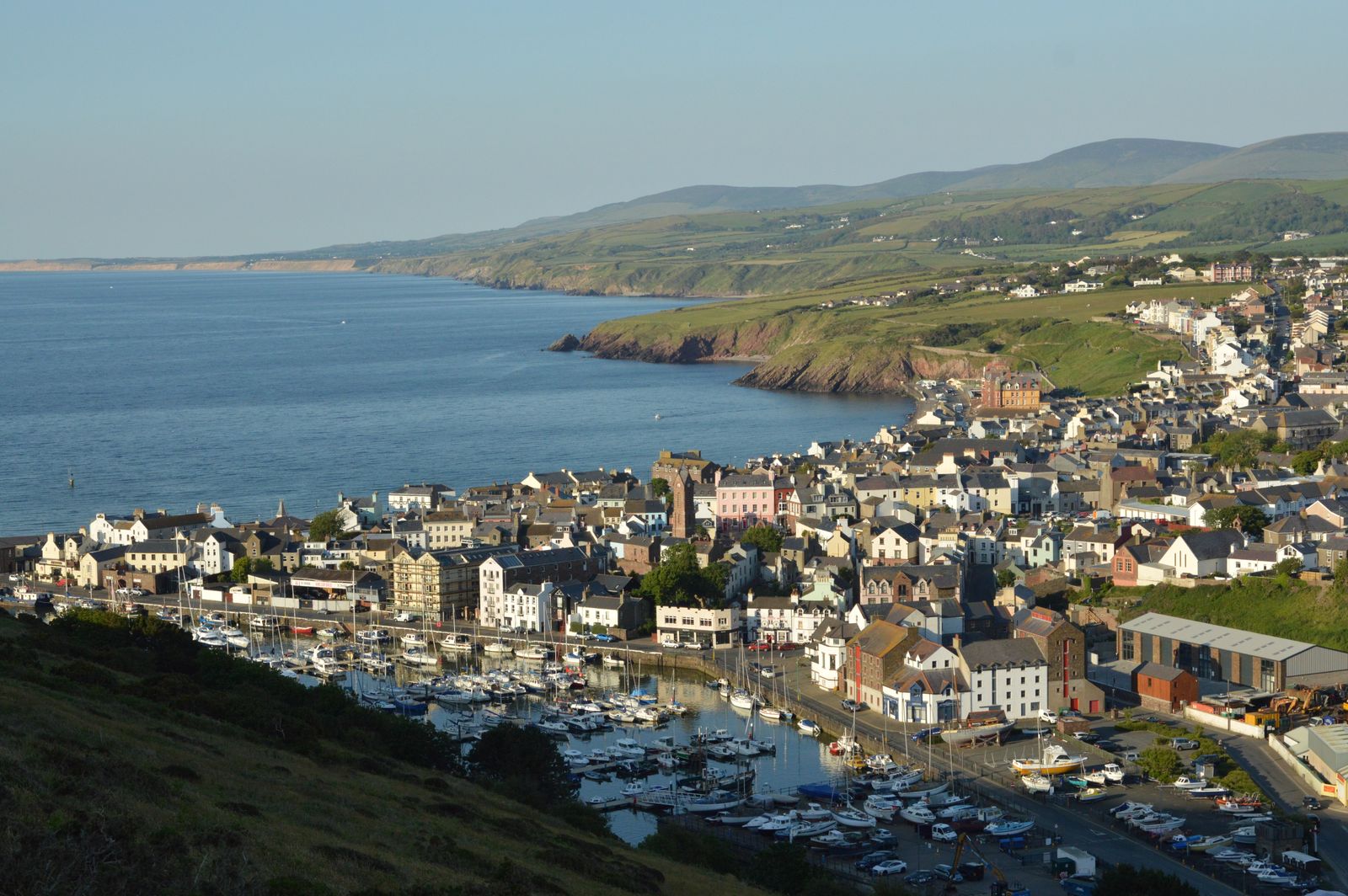
The Isle of Man is a British Crown Dependency in the Irish Sea — a self-governing island of 572 square kilometres with its own parliament (the Tynwald, the world’s oldest continuous parliament in continuous operation, founded 979 AD), its own language (Manx Gaelic, revived from near-extinction), its own stamps and currency, and the world’s most famous motorcycle race. The TT (Tourist Trophy) race, held annually in late May and early June, transforms the island into the world capital of motorcycle culture for two weeks, with 50,000 visitors watching 200+ mph machines hurtle through village streets, past stone walls and farmhouses in the most dangerous motorsport event on earth. Off-TT season, the Isle of Man has outstanding coastal and upland walking, spectacular Celtic heritage sites, the fascinating Manx Museum and the extraordinary Laxey Wheel — the world’s largest working waterwheel.
The Isle of Man TT (Tourist Trophy) has been held since 1907 on a 60-kilometre circuit of public roads through villages, farmland and mountain pass. Riders reach 300km/h between the stone walls and houses of a course that has claimed over 260 lives and produced some of the world’s greatest motorcycle achievements. Race Fortnight in late May–early June is the island’s defining annual event.
The Lady Isabella — built in 1854 to pump water from the Great Laxey Mine — is the world’s largest working waterwheel, 22 metres in diameter, still turning. The Victorian industrial heritage of the island, its narrow-gauge electric mountain railway (the Snaefell Mountain Railway, still running since 1895) and the intact Victorian horse trams on Douglas promenade are impressive.
Tynwald Hill at St John’s — where the world’s oldest continuous parliament has gathered on July 5th every year since 979 AD to proclaim new laws in both English and Manx — is one of the world’s most striking democratic sites. Castle Rushen in Castletown, a medieval fortress of great completeness, is the island’s finest historical monument.
Isle of Man (Wikipedia) →Small, sweet Peel Bay queen scallops, pan-fried in butter with garlic — the defining seafood of the Isle of Man, caught in Manx waters and served in every good restaurant.
A traditional Manx soda bread made with butter and dried fruit, cooked in a Dutch oven or griddle — the island’s equivalent of Welsh bara brith.
The dark, slightly gamey meat of the ancient Manx Loaghtan breed (four-horned, native to the island) — sold at farmers’ markets and served in upscale Manx restaurants.
Herring split and cold-smoked over oak in Peel, where Moore’s still runs a traditional kipper house.
A Manx brewery producing ales and lagers, served across the island and busiest during the TT races.
Isle of Man Airport (IOM) at Ronaldsway has direct flights from most UK airports. Ferries operate from Liverpool, Heysham and Belfast. For trip planning, see the official Isle of Man tourism portal.
Manchester (40 min) and Liverpool (35 min) are the most convenient UK gateways. British Airways operates London City services; easyJet connects Gatwick and Liverpool year-round.
The Isle of Man Steam Packet ferry is the classic approach — bringing your car (essential for the TT circuit) from Liverpool (from £120 return including car) or Heysham. Book well in advance for TT week.
Bus Vannin (the public bus network) covers all main towns hourly; the electric trams (Douglas Promenade and Manx Electric Railway to Ramsey) and Steam Railway (to Port Erin) are tourist attractions in themselves.
A combined rover ticket (£20–25) covers the Electric Railway, Steam Railway and Snaefell Mountain Railway for a day — the finest way to see the island without a car. For the TT circuit, a car is essential.
May to September is best — mild (14–20°C), the TT races in May and June, the glens green and accessible. June is peak for the TT. July and August are warmest. October to April is quiet, windswept and dramatic — ideal for coastal walking without crowds.
📅 Isle of Man is in its best season in May, June, July, August, September. See where else is good to go in those months, or browse where to go by month.
The Isle of Man uses pounds sterling (GBP) and Manx pounds (IMP, equal value, accepted on the island only). Prices are broadly similar to northern England; no VAT on some items.
Manx queenie scallops (Aequipecten opercularis — a small, sweet scallop harvested from the Irish Sea around the Isle of Man in one of the few remaining wild scallop fisheries in British waters) are the defining local seafood.
The Isle of Man Steam Railway (Victorian steam locomotives running on a narrow-gauge track from Douglas to Port Erin)
TT Race Week (late May to early June) is the Isle of Man’s most expensive week by far — accommodation triples in price and must be booked a year in advance.
Douglas for one day, TT circuit for one, Snaefell and Laxey for one, Castletown for one, Calf of Man for one, Peel for one, Tynwald Hill for one. The Isle of Man — a self-governing Crown dependency in the Irish Sea — has the world’s oldest parliament, the most dangerous road race on earth and some of the finest coastal walking in northern Europe.
Douglas — the capital of the Isle of Man (a self-governing Crown dependency in the Irish Sea, with its own parliament, the Tynwald — established in 979 AD, making it the world’s oldest continuous parliament — its own currency, and no obligation to follow EU or UK law) with the Douglas Bay promenade (2km of Victorian seafront with the last surviving horse trams in the world, running since 1876) and the Manx Museum.
The Tynwald (the Isle of Man parliament, established 979 AD) is the world’s oldest continuous legislative assembly — predating both the Icelandic Althing (930 AD, which ceased operation 1800–1843) and the English Parliament. The annual Tynwald Day ceremony (5 July, at the open-air Tynwald Hill in St John’s) requires all laws passed in the previous year to be proclaimed publicly in both Manx Gaelic and English or they are null and void.
The Isle of Man TT course (a 60.7km public road circuit used since 1907 for the Tourist Trophy motorcycle races — the most dangerous and prestigious road race in the world, with average speeds of 135mph around the mountain circuit, through 264 named corners, past cottages, walls and stone hedges at race speed — driveable on ordinary roads year-round and walkable at key corners like Braddan Bridge and Ballaugh Bridge).
The Isle of Man TT (Tourist Trophy, first run 1907) is the most dangerous motorsport event in the world — over 260 riders have been killed since 1907. The appeal lies in its unique character: 60.7km of public road used at 200mph+ averages, stone walls inches from the tyres, the same roads open to ordinary traffic 50 weeks per year. The fastest lap record (set by Peter Hickman in 2018) averages 135.452mph for the entire circuit.
The Snaefell Mountain Railway (the only mountain railway in the British Isles, climbing from Laxey village to the 621m summit of Snaefell in 30 minutes on a Victorian electric tramway opened in 1895, with views from the summit extending to England, Scotland, Ireland and Wales on clear days — six kingdoms as Manx guides say: England, Scotland, Ireland, Wales, Heaven and the Sea) and the Laxey Wheel.
The Laxey Wheel (Lady Isabella — the world’s largest working waterwheel, 22m in diameter, built in 1854 to pump water from the Great Laxey lead and zinc mine, 500m below — and still turning) is the most visited attraction in the Isle of Man. It was built in 1854, named after the wife of the then Lieutenant Governor, and pumped 250 gallons per minute from a depth of 500m to drain the mine workings.
Castletown (the former capital of the Isle of Man until 1863) — Castle Rushen (one of the best-preserved medieval castles in Europe, a 12th–17th century fortress of local limestone in the centre of Castletown, used as the island’s seat of government until 1874, with rooms furnished as they were at different points in its 800-year history) and the Nautical Museum (a 1791 armed yacht, the Peggy, still afloat in her original boathouse).
Castle Rushen (begun approximately 1153 by the Norse Kings of Mann, expanded to its current extent by the 14th century) is one of the most complete medieval castles in the British Isles — the walls, towers and interior rooms are largely intact to their full height, making it a rare survival of Norman-Norse castle architecture. The castle was used as the island’s prison until 1891.
The Calf of Man (a 2.5km² island separated from the southern tip of the Isle of Man by the Calf Sound — a nature reserve with one of the most important seabird colonies in the Irish Sea: puffins, razorbills, guillemots and Manx shearwaters nesting in their thousands — accessible by ferry from Port Erin in 20 minutes, with no permanent residents, no electricity and no vehicles).
Manx shearwaters (Puffinus puffinus — named after the Isle of Man where they were first described) nest on the Calf of Man in large numbers, returning each year to the same burrow after spending the winter in the South Atlantic off Brazil. They are among the longest-lived birds known: ringed individuals have been recorded at 55 years old, still breeding. The oldest known wild bird when it was last tracked was a Manx shearwater from Bardsey Island, Wales, aged 55.
Peel — the only city on the west coast (population 4,000), with Peel Castle (a 13th-century cathedral and round tower on St Patrick’s Island, connected to the town by a causeway, UNESCO-tentative listed, the site of the grave of the Peel Castle Dog — a mythological black dog associated with Manx folklore) and the Manx kipper (the Isle of Man is the last remaining place in the British Isles where herrings are cold-smoked over oak chips in traditional brick kilns).
Manx kippers (herrings split and cold-smoked over oak chips for 16 hours at Moore’s of Peel — a kipper smokehouse operating since 1882, the last traditional kipper smokehouse in the Isle of Man) are sent by post worldwide and are considered the finest kippers produced in the British Isles, with a more delicate flavour than Scottish kippers due to the oak smoking and the quality of Irish Sea herring.
Tynwald Hill (St John’s — a four-tiered grass mound on the central plain of the island, the site of the annual Tynwald Day ceremony held on 5 July since 979 AD, when the Lieutenant Governor, the Bishop of Sodor and Man and the island’s elected members process from the Royal Chapel to the open-air hill to proclaim all laws passed in the previous year in both Manx Gaelic and English) — even when no ceremony is happening, the most significant political site in the British Isles. Fly from Isle of Man (IOM).
Manx Gaelic (Gaelg Vanninagh — the Celtic language of the Isle of Man, a member of the Goidelic branch alongside Irish and Scottish Gaelic) became extinct as a native language in 1974 when the last native speaker, Ned Maddrell, died. It has since been revived through a Manx-medium school programme; approximately 2,000 people now speak Manx to some degree, including 50–100 fluent speakers.
🛂 Entry rules: UK ETA now applies here
Since 23 April 2026, visitors who need a UK Electronic Travel Authorisation (ETA) to enter the UK also need one to travel to Isle of Man, including EU, US, Canadian and Australian citizens. It costs £20, lasts two years (or until your passport expires) and one ETA covers the UK, Jersey, Guernsey and the Isle of Man.
British and Irish citizens don’t need one. French citizens on same-day trips to the Channel Islands remain exempt and can travel on a national ID card.
Official information: GOV.UK: apply for an ETA · Reviewed September 2026
Accommodation during Race Fortnight books out 12+ months in advance. Book the moment the dates are announced in August for the following year.
Connections from London Gatwick, Manchester, Liverpool, Belfast and Edinburgh. 30 min from Dublin by air.
The Isle of Man is a Crown Dependency — self-governing, not part of the UK politically but using GBP. Has its own Manx Parliament (Tynwald), the world’s oldest continuous parliament (1,000 years).
The Isle of Man TT (Tourist Trophy) is the oldest, most dangerous and most famous motorcycle road race in the world. Accommodation books out entirely 6-12 months in advance for TT week.
The Manx pound is interchangeable with GBP but Manx notes aren’t accepted in the UK. Exchange them before leaving.
Flights from major UK airports and Dublin; ferries from Liverpool and Heysham (Steam Packet Company).
Quick answers to the questions people most often ask before visiting the Isle of Man.
Fly into Isle of Man Airport at Ronaldsway — about 35–40 minutes from Liverpool or Manchester and around 1h20 from London — or take the Steam Packet ferry from Liverpool or Heysham. There are also links from Belfast and Dublin.
The TT motorcycle races take place over roughly two weeks in late May and early June. Accommodation during race fortnight often books up a year or more in advance, so plan early if you want to go.
The Isle of Man is a self-governing Crown Dependency within the Common Travel Area, so there are no routine passport checks from the UK or Ireland, though carriers usually ask for photo ID.
May to September is best, with mild weather (14–20°C) and the glens at their greenest; July and August are warmest. October to April is quiet and windswept — great for coastal walks without crowds.
The pound sterling. The island issues its own Manx notes at the same value; UK money is accepted everywhere, but Manx notes aren't accepted in the UK, so spend them before leaving.
Download offline maps before you travel so navigation works without mobile data — essential for walking, driving and finding local spots.
FreePoint your camera at menus, signs or street text for instant translation. Download the language pack offline before you arrive for full use without data.
FreeReal-time and offline exchange rates for all world currencies — converts prices instantly so you always know what you are paying in your home currency.
FreeFind and book hotels, guesthouses and apartments with free cancellation on most rates — one of the widest selections of accommodation worldwide.
FreeIsle of Man sits within easy reach of several other destinations — each with a completely different character.
Isle of Man is one of the world’s least-visited places. See all 90 in our guide to the world’s least-visited countries & territories.


