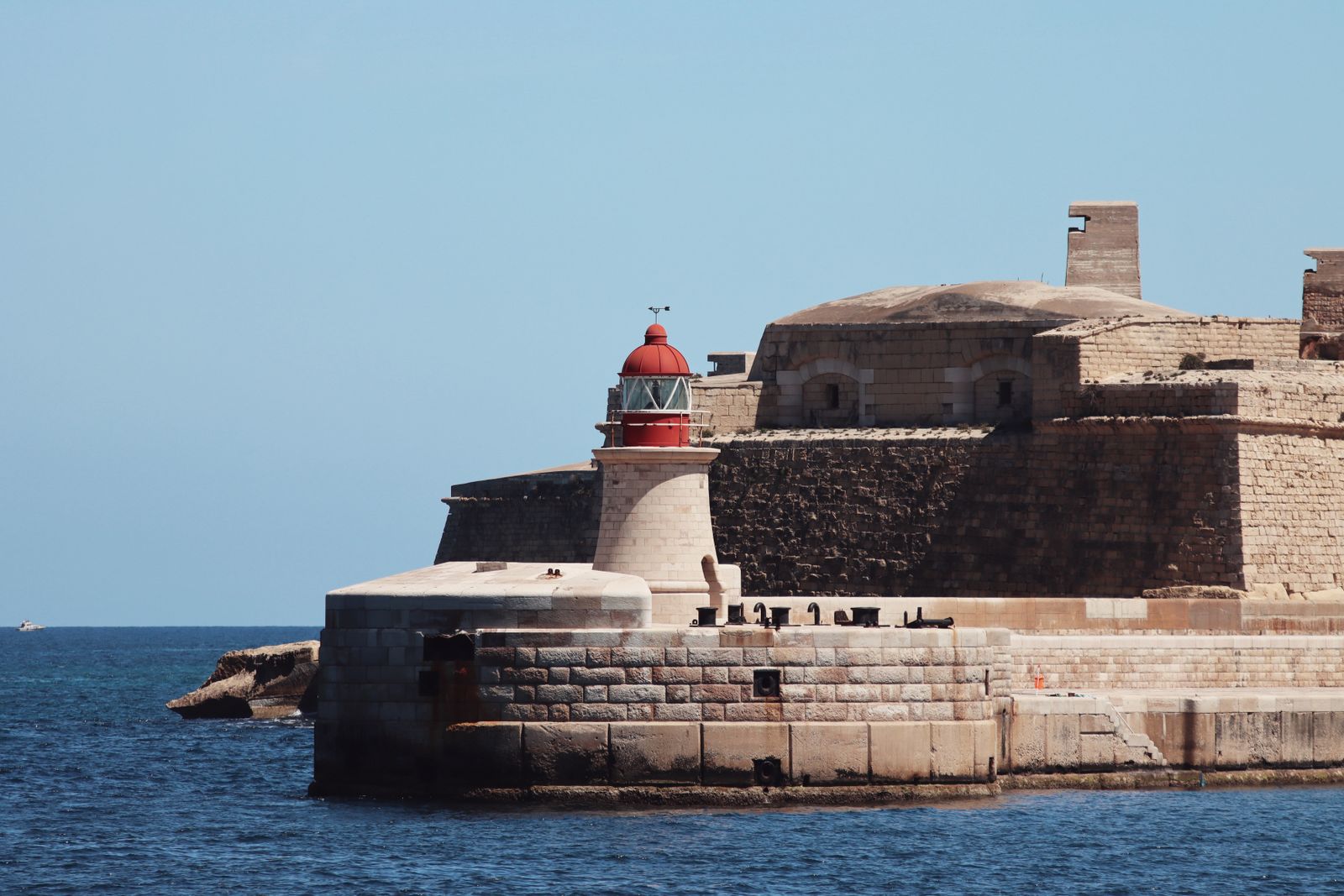
MT
Malta
Three civilizations on a sunny Mediterranean isle
Three civilizations on a sunny Mediterranean isle

A UNESCO city of 320 monuments in 0.8km²: the Grand Harbour’s Three Cities opposite, St John’s Co-Cathedral’s Caravaggio (two masterpieces, including The Beheading of Saint John the Baptist) and the Upper Barrakka Gardens view.
Photo: Mandyy88, CC BY-SA 4.0

The most transparent water in the Mediterranean: a cove of 0-5m depth over white sand between the uninhabited island of Comino and Cominotto. Extremely busy July-August; magical in May or October.
Photo: Frank Vincentz, CC BY-SA 3.0

A walled medieval hilltop city with a population of 300: the Silent City’s narrow limestone streets, the Baroque cathedral and the panoramic view over the island at dusk.
Photo: Frank Vincentz, CC BY-SA 3.0

Two temples (3,600 BC) older than Stonehenge: the world’s oldest free-standing stone structures, UNESCO-listed, built before the wheel was invented.
Photo: Diego Delso, CC BY-SA 4.0

A 5,000-year-old underground necropolis carved from solid limestone in three levels: UNESCO, timed entry strictly limited to 80 visitors per day. Book months in advance.
Photo: xiquinhosilva, CC BY 2.0

Gozo’s Victoria Citadel, the Inland Sea of Dwejra (where the Azure Window stood before 2017), the Ggantija temples and the most rural landscape in the Maltese archipelago.
Photo: Mrcrycrash, CC BY-SA 4.0
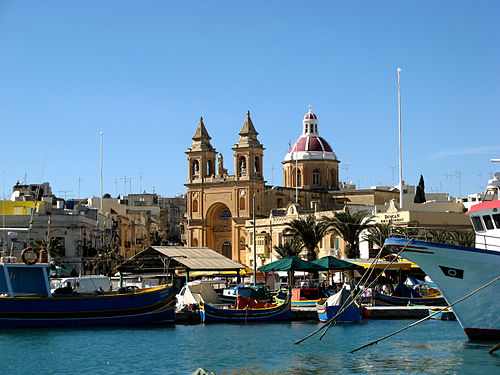
A fishing village of brightly painted traditional luzzu boats (with the eye of Osiris painted on the prow): the Sunday fish market is the finest in Malta.
Photo: Seancarlgrech, CC BY-SA 3.0

The three fortified cities across the Grand Harbour from Valletta: smaller and less visited, with the Maritime Museum and the genuine fabric of Maltese working life.
Photo: Mario L Borg, CC BY-SA 4.0
Flaky pastry diamonds filled with ricotta or mushy peas: sold from street kiosks (pastizzerias) for EUR 0.30 each at any hour of the day or night. The definitive Maltese snack.
A seasonal fish pie of lampuki (dorado), olives, capers and tomatoes in pastry: only available September-November when lampuki are in season. Malta’s most celebrated seasonal dish.
Rabbit slow-cooked in red wine, garlic and herbs: the Maltese national dish. Fenek is served at Sunday family lunches throughout the island.
A Maltese ratatouille of roasted aubergine, peppers, tomatoes, capers and olives: simpler than the French version, often served cold as a starter.
Two indigenous Maltese grape varieties: Gellewza (red, light and fruity) and Ghirgentina (white, aromatic). Meridiana and Marsovin are the benchmark producers.
Cisk lager (Malta’s national beer, brewed since 1928) and Kinnie (a bitter-sweet carbonated drink of bitter oranges and aromatic herbs: the Maltese answer to Aperol Spritz).
Crusty Maltese bread rubbed with tomato, drizzled with olive oil and filled with tuna, capers, olives and bigilla (black bean paste): the Maltese answer to the sandwich.
Strong, slightly sweet black coffee in small cups: the fuel of Maltese kafetterija culture.
Malta Luqa (MLA) is the only airport. Air Malta is the national carrier. The island is served by direct flights from most European cities — one of the most connected small islands in the Mediterranean. For trip planning, see the official Malta tourism portal.
Malta is one of the most connected UK short-break destinations — direct flights from 15+ UK airports, with fares from £30–80 one-way common outside peak season.
Sicily is the most convenient transit point from mainland Italy — the Virtu Ferries fast catamaran from Sicily to Malta (2h) is a scenic alternative to flying.
The Malta public bus network covers the entire island for €1.50 per journey or €2 on day passes. Foot passengers on the Gozo ferry pay nothing — only vehicles are charged.
Renting a car in Gozo (from €20/day at the ferry terminal) is the best way to explore the island — Ggantija, Ramla Bay and the Citadel are spread across the island and the bus service is limited.
October to May is the best window — pleasantly warm (18–25°C), uncrowded outside peak, and the Mdina and Valletta streets at their most atmospheric. June to September is hot (30–35°C), busy and expensive. March–May and October–November are ideal shoulder months.
📅 Malta is in its best season in May, June, July, August, September, October. See where else is good to go in those months, or browse where to go by month.
Malta is mid-range — comparable to Southern Spain or Italy for food and accommodation. The island is small and excellent value for short breaks given the density of things to see.
Pastizzi — flaky pastry filled with ricotta or mushy peas — costs 25–40 euro cents each and is the Maltese street snack. They’re sold from small kiosks (pastizzeriji) throughout the island at all hours.
Maltese wine — particularly from the Meridiana and Marsovin estates — is underrated and costs €8–20 a bottle. The Gellewza (red native grape) and Girgentina (white) are found nowhere else in the world.
The Ursulino Hotel (a restored 17th-century Ursuline convent in Valletta) and the Xara Palace in Mdina (within the city walls, 17 rooms) are Malta’s finest small hotels — €250–500/night with historical setting.
Valletta for two days, Mdina and the Three Cities for one each, Gozo for two, the Blue Lagoon to close. Malta is tiny — you can cross the whole island in 45 minutes — but every corner has centuries of layered history.
Valletta (population 6,000, the smallest EU capital) is a Baroque city built by the Knights of St John on a peninsula between two deep harbours after the Great Siege of 1565. The Co-Cathedral of St John: the most densely decorated Baroque interior in the world, with Caravaggio’s The Beheading of St John the Baptist (his largest work and only signed painting) in the Oratory.
Caravaggio lived in Malta in 1607–1608, fleeing a murder charge in Rome. He painted The Beheading of St John (3.6m × 5.2m) and became a Knight of St John before being expelled after another violent incident. The painting is impressive.
The Upper Barrakka Gardens: the finest view in Malta — the Grand Harbour below, with the Three Cities (Vittoriosa, Senglea, Cospicua) on the opposite headland, and the creaking traditional luzzu boats in the water. The National Museum of Archaeology for the Sleeping Lady (3,000 BCE terracotta figurine from the Hypogeum).
The Grand Harbour noon cannon — fired daily from the Barrakka Gardens at noon — is a tradition that began under British rule and still rattles the windows of Valletta. Free, punctual, dramatically loud.
Mdina — the medieval walled city on the ridge above the plain — was the island’s capital for most of its history and is now permanently quiet, with a resident population of under 300. The Norman Palace, the cathedral, the bastions with views to Sicily on a clear day. The catacombs of St Paul and St Agatha beneath the suburb of Rabat.
Mdina at dawn (before 9am) is entirely empty and atmospheric — the narrow limestone streets, the carved balconies and the absence of noise create something medieval. Return the following morning if you visit in the afternoon.
The Three Cities (Birgu, Senglea, Cospicua) on the south side of the Grand Harbour are where the Knights of St John held Malta against the Ottoman siege of 1565 — the greatest siege in Mediterranean history, 40,000 Ottoman troops against 700 Knights. The Maritime Museum in the former Knights’ bakery. The waterfront for seafood.
The Great Siege of 1565 lasted from May to September. At the decisive moment, the Viceroy of Sicily sent a relief force that arrived as the Ottomans were withdrawing — 180 years before the event, a previous knight had predicted the siege and victory in an inscription still visible on the wall.
30-min ferry from Cirkewwa. Gozo is smaller, hillier and calmer than Malta — the Azure Window (collapsed 2017, tragically) was here, but the island’s character survived its most photographed landmark. The Ggantija temples (3,600 BCE, older than Stonehenge and the Pyramids, the oldest free-standing stone structures in the world). Victoria (Rabat) and the Citadel.
The Ggīantija Temples (UNESCO World Heritage Site) were built between 3,600 and 2,500 BCE — they predate Stonehenge by a thousand years. The megaliths weigh up to 50 tonnes each, moved without wheels across the island.
Ramla Bay is Gozo’s finest beach — red sand (rare in the Mediterranean), clear water, backed by low hills. The Calypso Cave above the bay (Homer’s Odyssey identified Gozo as the island of Ogygia, where Calypso held Odysseus for seven years). Mgar fishing village for fresh fish at dusk.
The view from the Calypso Cave over Ramla Bay is one of the finest in the Maltese islands — the red sand, the aquamarine water and the terraced fields are the landscape Homer may have been describing. Whether or not the identification is correct, it’s convincing.
30-min boat from Cirkewwa to Comino. The Blue Lagoon between Comino and the uninhabited Cominotto has water of a turquoise transparency that still surprises people who have seen photographs of it. Then ferry back to Malta and Luqa Airport (MLA) for departure.
The Blue Lagoon is crowded from 10am–4pm in summer and blissfully empty before 8:30am. The first boat from Malta arrives around 9am — be on it.
🛂 Entry rules: EES and ETIAS
Malta is in the Schengen area, which has two EU border systems for non-EU visitors.
EES (in force): since 10 April 2026 the EU’s Entry/Exit System registers non-EU visitors’ passport details, fingerprints and a photo the first time they enter the Schengen area, replacing passport stamps. Allow extra time at the border on your first trip; later crossings are quicker. EU, EEA and Swiss citizens are not registered.
ETIAS (not yet running): a €20 online travel authorisation for visitors who don’t need a visa, such as UK, US, Canadian and Australian citizens. It hasn’t started and no start date has been confirmed, so nobody can apply yet; ignore websites that offer to “pre-register” you for a fee.
Visa-free visitors can stay up to 90 days in any 180-day period across the whole Schengen area, not per country.
Official information: EU: Travel to Europe (EES & ETIAS) · Reviewed September 2026
Also local app eCabs. Taxis are metered from the airport.
A Malta transport card covers all buses. Gozo requires a ferry from Cirkewwa.
A pastizz: EUR 0.30. A restaurant meal: EUR 12-25.
Only 80 visitors per day; sold out weeks in advance. Book at heritagemalta.org.
English is first language for most Maltese.
The Blue Lagoon at 11am in August is impossible. Arrive before 9am or take an evening boat.
Gozo’s ferry takes 25 minutes. The pace on Gozo is measurably slower.
Thank you in Maltese: always appreciated.
Quick answers to the questions people most often ask before visiting Malta.
October to May is the best window — pleasantly warm (18–25°C), uncrowded outside peak, and the Mdina and Valletta streets at their most atmospheric. June to September is hot (30–35°C), busy and expensive.
Malta Luqa (MLA) is the only airport. Air Malta is the national carrier. The island is served by direct flights from most European cities — one of the most connected small islands in the Mediterranean.
Expect roughly €55–85 a day on a budget and €130–200 mid-range, or €300+ for a more luxurious trip, per person and excluding flights.
Malta uses the euro (€).
Plug types: Type G (UK three flat pins, 230V).
Malta’s most popular licensed taxi and ride-hailing app — transparent fares, no surge pricing.
FreeMalta’s official public bus app — real-time arrivals and route maps across the islands.
FreeBook Valletta walking tours, Blue Lagoon boat trips, Mdina day trips and Maltese experiences.
FreeBook fast ferry tickets between Malta and Sicily (Italy) — a popular crossing for island-hoppers.
FreeBaroque Valletta, the silent lanes of Mdina, Gozo’s wild coast, Marsaxlokk’s painted boats and the Sliema seafront — five very different faces of one small archipelago.
Malta sits within easy reach of several other destinations — each with a completely different character.


