CL
Chile
From the driest desert to the end of the world
From the driest desert to the end of the world

The granite Torres (towers): a 6-9 day W Trek or O Circuit past the three granite towers themselves, Los Cuernos ridgeline, the Grey Glacier and a landscape of electric blue lakes.

The world’s driest desert: the Valle de la Luna (Valley of the Moon), the El Tatio geysers at dawn (4,500m, the world’s highest active geyser field), flamingos on salt flats and the clearest night skies on earth.

900 moai statues: Ahu Tongariki’s 15 standing moai at sunrise, the Rano Raraku quarry where they were carved and the Orongo ceremonial village on a volcanic crater rim.

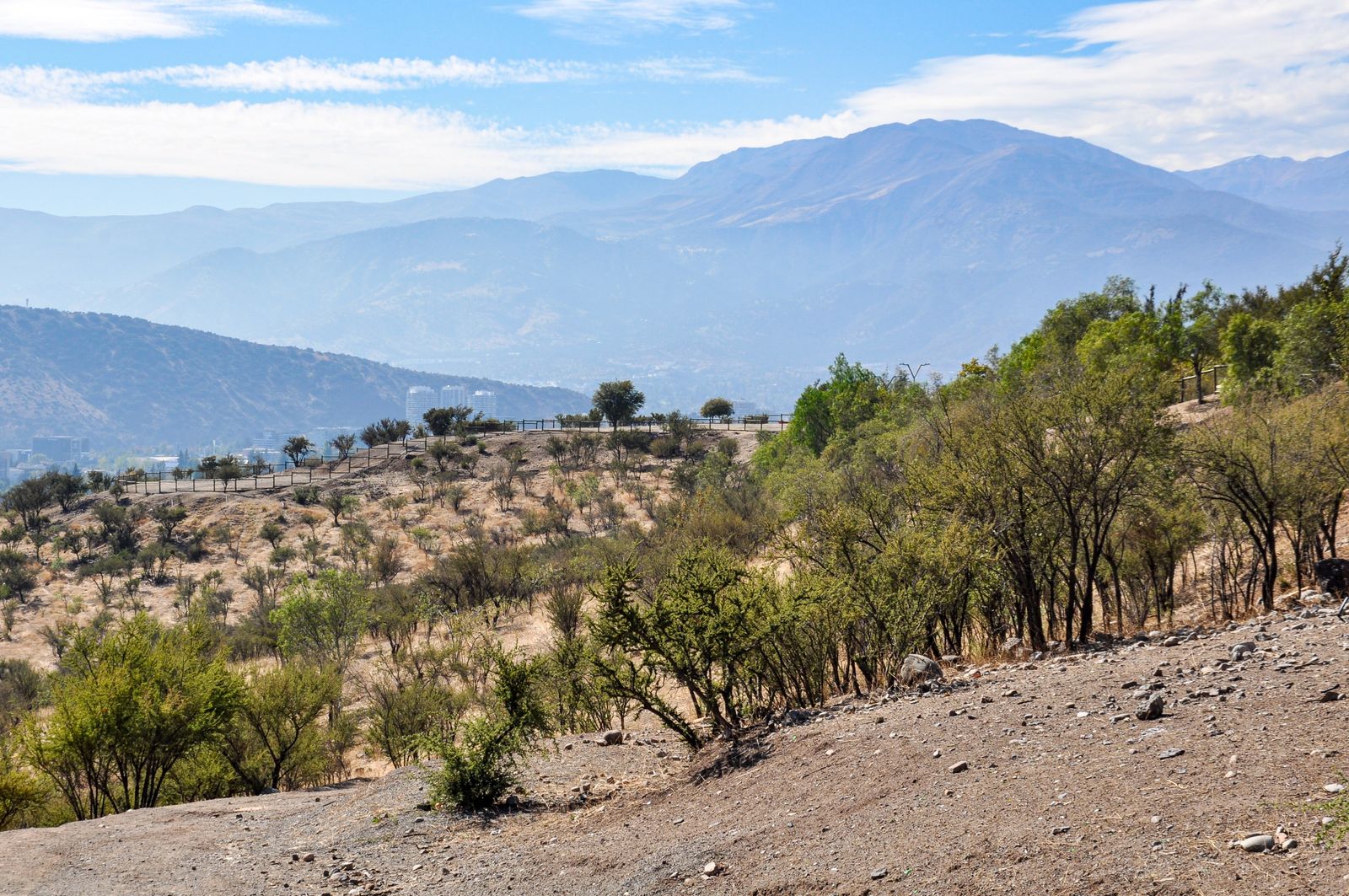
The Andes visible on clear days from Santiago’s streets (the world’s finest mountain-city panorama), Cerro San Cristobal by funicular, the Lastarria neighbourhood’s restaurants and the La Vega market.

The 1,240km gravel road through Chilean Patagonia: the Queulat Hanging Glacier, the Capillas de Marmol (marble caves on a turquoise lake) and the Pumalin Park’s primary forest.
A mythological island of wooden palafito stilt houses, 16 UNESCO wooden churches and the world’s most distinctive potato culture (800 varieties from Chiloe, the potato’s domestication centre).

A volcano-studded lake district: Villarrica’s active volcano hike (3,116m, lava visible in the crater), the Huerquehue National Park’s monkey puzzle tree forests.

A UNESCO World Heritage port city of 42 hills connected by funiculars (ascensores), covered in street art: Pablo Neruda’s house La Sebastiana and the finest sunset in Chile from Cerro Alegre.
A traditional Chiloe earth oven (paila marina): shellfish, smoked pork, potato and chapalele (potato dumpling) cooked over hot stones covered with nalca leaves. The most ancient cooking method in Chile.
Baked pastry filled with seasoned beef, onion, hard-boiled egg, olive and raisin: the definitive Chilean empanada, eaten on September 18 (Independence Day) by every Chilean family.
A clear stew of beef or chicken with potato, pumpkin, corn, rice and green beans: Chilean home cooking at its most honest.
A hot dog in a roll loaded with avocado, mayonnaise, tomato and sauerkraut: Chile’s most frequently eaten fast food. The completo italiano has avocado, tomato and mayonnaise only.
Carmenere (the grape found hiding in Chilean vineyards, thought extinct after 1860s phylloxera) and Maipo Cabernet Sauvignon: the two most uniquely Chilean wine contributions.
Chile and Peru both claim to have invented the pisco sour (with Chilean Pisco). The Chilean version uses more Pisco and less lime. Both are excellent.
A German-Chilean craft lager from Valdivia: the finest craft beer in Chile, brewed by the descendants of German settlers in the Lake District.
Yerba mate (shared in a gourd through a metal straw) is drunk in southern Chile. Terere (cold mate) is the summer version.
Both work in Santiago and Valparaiso.
Chile’s length makes flying essential. Santiago to Punta Arenas: 3h flight vs 3 days by road.
Formality gives way to warmth quickly. The terraceo (sitting on the terrace) culture makes social engagement easy.
The W Trek’s refugios and campsites fill up by October for the December-March season.
Winds of 120km/h are common. Four seasons in one day is standard. Windproof layers are essential.
A restaurant meal: CLP 8,000-20,000 (EUR 8-20). National park entry: USD 35-38.
Best coverage throughout Chile including the Lake District.
Easter Island is 3,700km from Santiago: a 5h direct flight. Budget 5+ days; it’s too far for less.
Santiago Arturo Merino Benítez (SCL) is the hub; Punta Arenas (PUQ) and Puerto Natales (PNT) serve Patagonia; Easter Island (IPC) is LATAM-only. LATAM Airlines and Sky Airline serve domestic routes. For trip planning, see the official Chile travel portal.
💡 Madrid is the closest European gateway to Santiago — Iberia and LATAM both fly direct in 12 hours. UK travellers connecting via Madrid add only 2–3 hours to total journey time.
💡 Miami–Santiago direct (LATAM/American, 7h30) is the best US East Coast option. LATAM’s Santiago hub connects all of South America’s major cities with clean scheduling.
💡 Sky Airline is Chile’s budget carrier — significantly cheaper on domestic routes when booked ahead. LATAM has the most reliable schedule. Both serve all major Chilean airports.
💡 Chile has one of South America’s best long-distance bus networks — Turbus and Pullman Bus operate comfortable cama (lie-flat) buses between all major cities. Santiago to Valparaiso costs CLP 5,000–8,000.
Chile’s seasons are reversed from the Northern Hemisphere. The best time depends on region: Patagonia (Torres del Paine) is best November–March (austral summer). The Atacama is good year-round. Santiago and the Lake District are best October–April. Easter Island has no bad season.
Santiago for one day, the Atacama Desert for two, the Lake District for one, Torres del Paine for two, and Easter Island as a finale. Chile rewards an ambitious itinerary — the country is built for it.
Santiago sits at the foot of the Andes — on a clear day the snow-capped mountains are visible from the city centre. Cerro San Cristóbal (880m, by funicular) for the view over the city. Barrio Italia and Barrio Lastarria for food, wine and design shops. The Mercado Central for fresh ceviche and congrio (conger eel).
💡 Cerro San Cristóbal at sunset, with the Andes turning pink behind Santiago’s skyline, is the single best view in Chile’s capital. The funicular takes 5 minutes; it runs until 9pm on weekends.
2h flight from Santiago to Calama (CJC), then 1h transfer to San Pedro de Atacama (2,400m). The Atacama is the driest desert on earth — some areas have had no rainfall for hundreds of years. The Valle de la Luna at sunset: salt formations, sand dunes and the shadow of the Andes.
💡 San Pedro de Atacama is at 2,400m altitude — take it easy on the first afternoon. Headaches and fatigue are normal for the first 24 hours.
El Tatio at 4,320m altitude is the world’s highest active geyser field — depart San Pedro at 4:30am to arrive at dawn when the cold air makes the geysers most dramatic. The Salar de Atacama (the world’s third-largest salt flat, 3,000km²) for Chilean flamingos in the afternoon.
💡 El Tatio has over 80 active geysers and 30 mud pools. The field is at -10°C at dawn — bring all your layers. The geysers peak between 6 and 8am as the sun rises and temperatures drop overnight.
2h30 flight from Calama to Puerto Montt (PMC). The Chilean Lake District — 10 perfect cone volcanoes reflected in 10 glacial lakes, thick araucaria forest, German immigrant villages with wooden architecture. Pucón on Lago Villarrica for the afternoon.
💡 Volcán Villarrica (2,847m, one of South America’s most active volcanoes) can be climbed with a guide from Pucón in summer — 4 hours up, 30 minutes down on a plastic sled. Check activity levels at sernageomin.cl before booking.
2h30 flight from Puerto Montt to Punta Arenas (PUQ), then 3h transfer to Torres del Paine. The Torres — three granite towers of 2,800m rising vertically from the Patagonian steppe — are among the most dramatic mountain formations on earth. Afternoon in the park.
💡 The Mirador Las Torres viewpoint requires a 9km hike from the park entrance (4h round trip, moderate difficulty). The reflection of the towers in the glacial lake at their base in still morning light is the Torres del Paine photograph everyone comes for.
The Valle del Francés (the French Valley) is a natural amphitheatre of hanging glaciers and vertical granite walls — the heart of the W Trek. The Grey Glacier: a 6km-wide glacier calving blue icebergs into Grey Lake, accessible by catamaran.
💡 Torres del Paine has entered permit-controlled access for the park’s most popular trails — book at torresweb.cl or through a tour operator at least 6 months ahead in peak season (November–March).
4h30 flight from Santiago (not Patagonia — fly back first) to Easter Island (IPC). The moai — 887 monolithic stone figures carved by the Rapa Nui people between the 12th and 17th centuries, with 15 restored on the Ahu Tongariki platform — are extraordinary and entirely unexplained in their transport methodology.
💡 The sunrise at Ahu Tongariki — 15 moai silhouetted against the Pacific dawn — is arguably the single finest image in all of South America. Be there by 6am. The light lasts about 20 minutes.
Chile is South America’s most expensive country for travellers — comparable to Southern Europe for accommodation and restaurants. Patagonia and Easter Island add significant premiums. Wine, however, is exceptional value.
Chilean wine at a Santiago supermarket (Concha y Toro Gran Reserva, Errazuriz, Clos Apalta) costs CLP 5,000–15,000 (≈US$5–15) a bottle — wines that retail for €20–40 in European shops.
A wine tasting at a Colchagua Valley or Maipo Valley winery near Santiago — 5–6 wines including premium reserves, barrel tasting — costs CLP 15,000–30,000 (≈US$15–30).
Explora Patagonia in Torres del Paine — the defining luxury eco-lodge in South America, with 50 rooms, private trekking guides and exclusive trailhead access — costs US$1,000–2,000pp/night fully inclusive.
Navigate Santiago Metro and Transantiago buses — Google Maps has full coverage of the city transit network.
FreeBook Torres del Paine treks, Easter Island tours, Atacama desert excursions and Chilean adventures.
FreeOfficial Santiago Metro app — check balances, add credit and plan metro journeys on the Bip! card.
FreeFrom Santiago’s Andean skyline to the Atacama’s starfields, Patagonia’s granite towers, and Easter Island’s ancient moai — the world’s longest country holds some of its most extreme contrasts.
Chile sits within easy reach of several other destinations — each with a completely different character.


