IL
Israel
Ancient holy lands meet modern Tel Aviv
Ancient holy lands meet modern Tel Aviv
⚠️ Travel advisory: check before you go
Governments advise travellers to reconsider travel to Israel, and against travel to areas near Gaza, Lebanon and Syria, because of the ongoing regional conflict. Rocket and drone alerts and flight disruptions can occur at short notice.
Latest official advice: UK FCDO · US State Department · Reviewed September 2026

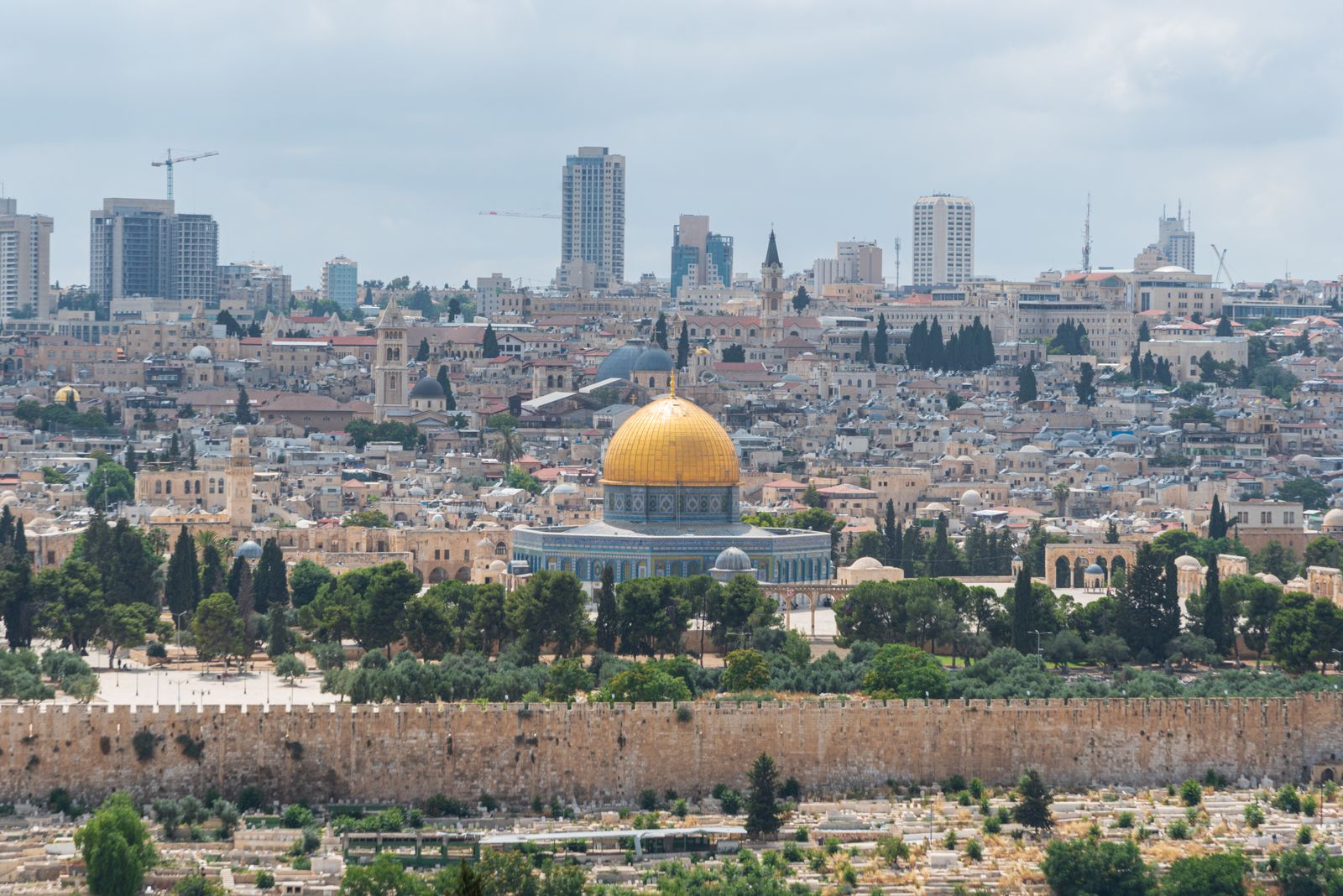
The 1km² UNESCO Old City: the Western Wall (the holiest place in Judaism), the Dome of the Rock (the third-holiest site in Islam), the Church of the Holy Sepulchre (where Jesus was crucified and buried) and the Via Dolorosa.
Photo: Dor Shabashewitz, CC BY-SA 4.0

A UNESCO Bauhaus city of 4,000 International Style buildings: Rothschild Boulevard, the Carmel Market, the finest hummus in the country and 14km of Mediterranean beach with a serious cafe culture.
Photo: Benno Rothenberg, CC BY 4.0
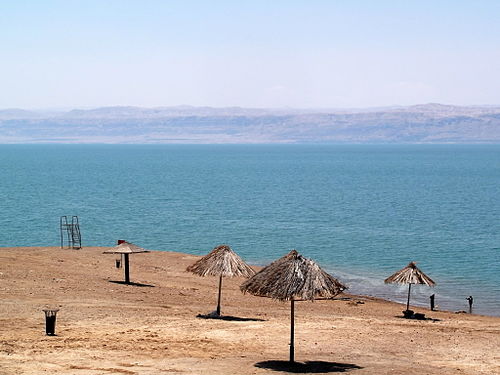
The world’s lowest point (430m below sea level): float effortlessly in 33.7% salinity water, apply black mineral mud and watch the Jordanian mountains across the water.
Photo: لا روسا, CC BY-SA 4.0
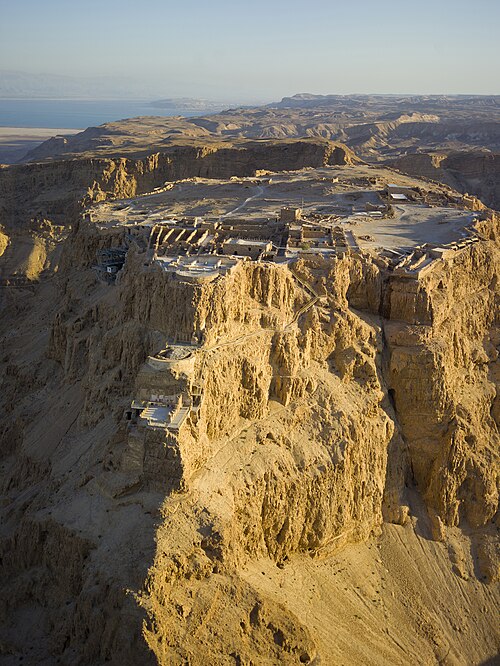
The Herodian clifftop fortress (73 BC) above the Dead Sea: the cable car or “snake path” hike at dawn. The 73 AD Roman siege and the Jewish zealots’ last stand are the founding myth of Israeli resilience.
Photo: Godot13, CC BY-SA 4.0

The region of Jesus of Nazareth’s ministry: Nazareth’s Basilica of the Annunciation, the shores of the Sea of Galilee, the Mount of Beatitudes and the Golan Heights’s archaeological sites.
Photo: Rembrandt, Public domain
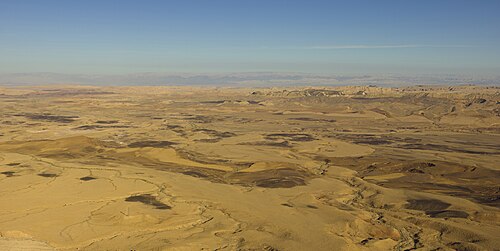
The world’s largest natural erosion crater (40km x 8km): multicoloured geological layers, Bedouin heritage trails and the finest stargazing in Israel at the Mitzpe Ramon observatory.
Photo: Godot13, CC BY-SA 4.0

A UNESCO old city of Crusader underground halls, Ottoman mosques and a market: the most complete Crusader-era city above and below ground.
Photo: israeltourism from Israel, CC BY-SA 2.0

Israel’s Red Sea resort: the Coral Beach Nature Reserve (snorkelling from the shore), the Underwater Observatory Marine Park and the most northerly coral reef in the world.
Photo: Christopher Michel, CC BY 2.0
Chickpeas blended with tahini, olive oil, lemon juice and garlic: Israel has an intense national debate about whose hummus is finest. The best is at Abu Hassan in Jaffa (open until midday only).
Eggs poached in a spiced tomato and pepper sauce: originally North African (Tunisian-Libyan), adopted as an Israeli breakfast staple. Eaten from the pan with challah or pita.
Pita filled with fried aubergine, hard-boiled egg, potato, Israeli salad, tahini and amba (pickled mango sauce): an Iraqi-Jewish street food that has become a Tel Aviv obsession.
A hotel spread of salads, cheeses, pickled fish, smoked salmon, labneh and fresh bread: the most elaborate breakfast culture in the Middle East.
Deep-fried chickpea balls in pita with tahini, pickles, tomato and cabbage. Israel’s street food since the 1950s; each vendor has a different spice blend.
The Golan Heights Winery and Yarden wines have put Israeli wine on the world stage: Cabernet Sauvignon and Merlot from the Golan basalt soils are the finest.
Anise-flavoured spirit mixed with cold water (turning milky white): the Middle Eastern aperitif drunk with mezze throughout Israel.
Turkish coffee or qahwa (Arabic cardamom coffee) in small cups: the social ritual of every Arab market and Jewish coffeehouse.
Ben Gurion International (TLV) near Tel Aviv is the main hub. Ramon International (ETM) near Eilat handles some international charters. El Al, Arkia and Israir serve domestic routes. For trip planning, see the official Israel tourism portal.
Tel Aviv is 5 hours from London — one of the most accessible Middle Eastern destinations from Europe. Budget carriers have substantially reduced fares on this route in recent years.
The Abraham Accords (2020) normalised flights between Israel and the UAE, Bahrain and Morocco. Dubai–Tel Aviv is now one of the most popular new Middle East routes.
The train from Ben Gurion Airport to Tel Aviv HaHagana station takes 16 minutes and costs ILS 16 — the fastest and cheapest city connection. The Jerusalem fast train from TLV takes 32 minutes (ILS 22).
Israel connects well to Jordan and Egypt for multi-country Levant itineraries. The Wadi Araba crossing (near Eilat/Aqaba) is the most convenient for combining Israel with the Petra circuit.
March to May and October to November are the ideal windows — mild temperatures, low crowds relative to summer, and the country at its most comfortable. Summer (June–August) is hot (35–40°C in the Dead Sea area and Negev) but the coast and Tel Aviv are breezy. The Negev and Eilat are good year-round.
📅 Israel is in its best season in March, April, May. See where else is good to go in those months, or browse where to go by month.
Israel is expensive — among the most expensive destinations in the Middle East and comparable to Northern Europe for restaurants and accommodation. However, street food (hummus, falafel, shawarma) is excellent and cheap.
An Israeli breakfast — eggs, salads, white cheese, tahini, fresh bread, coffee — at a café costs ILS 60–90 and is one of the most satisfying meals in the country. Many hotels include it in the room rate.
Israeli wine has come a long way — the Golan Heights Winery (Yarden label) and boutique Galilee producers now make wines that compete internationally. A good bottle at a Tel Aviv wine bar costs ILS 80–180.
Eyal Shani’s HaSalon in Tel Aviv operates as a dinner party rather than a restaurant — shared tables, improvised courses, music — and is the most sought-after reservation in the country.
Tel Aviv for two days, Jerusalem for three, the Dead Sea and Negev for one, Eilat and the Red Sea to close. Israel is small enough that this is achievable in a week.
Tel Aviv was founded in 1909 and is one of the world’s youngest major cities — and one of the most dynamic. The White City (UNESCO World Heritage Site): 4,000 Bauhaus buildings from the 1930s, many recently restored. The Carmel Market (HaCarmel) for fresh produce, spices, hummus and fresh pomegranate juice.
Tel Aviv’s hummus culture is serious — Abu Hassan in Jaffa (open from 7am, closed when it runs out) and HaKosem near Dizengoff serve what many consider the best hummus in Israel. Arrive early; both sell out by noon.
Old Jaffa — 3,500 years old, one of the oldest continuously inhabited port cities in the world — is now a gallery district and restaurant quarter with the Ilana Goor Museum and views back over Tel Aviv’s white skyline. Rothschild Boulevard for Bauhaus walking tour. Sarona Market for Israeli food culture.
The Jaffa flea market (Shuk HaPishpeshim) on Saturday morning is the best market in Tel Aviv — antiques, Judaica, vinyl, ceramics and excellent street food from the surrounding Yemenite and Arab stalls.
45 min from Tel Aviv. The Old City of Jerusalem — divided into Jewish, Christian, Muslim and Armenian quarters within walls built by Suleiman the Magnificent in 1538 — contains the Western Wall, the Church of the Holy Sepulchre (the site of the Crucifixion and Resurrection, for Christians) and the Dome of the Rock (the third holiest site in Islam).
The Western Wall at dawn (5:30am) before the tour groups arrive has a quality of stillness that is entirely absent by 9am. The tunnel tour beneath the Wall (separate ticket) reveals the full original height of Herod’s stones.
Yad Vashem — Israel’s Holocaust memorial and research centre — is one of the finest and most important museums in the world: the Hall of Names (six million victims documented by name), the Children’s Memorial (one and a half million candles in a dark room, each for a child). The Israel Museum for the Dead Sea Scrolls and Judaean antiquities.
Yad Vashem requires a full half-day at minimum. The outdoor sculpture garden, the Valley of the Communities (the names of 5,000 destroyed Jewish communities carved into rock walls) and the permanent exhibition building are all substantial.
The Via Dolorosa (the 14 Stations of the Cross through the Muslim Quarter to the Church of the Holy Sepulchre). The Mount of Olives — the view from the ridge across the Old City, the Dome of the Rock and the Kidron Valley is the most recognised skyline of Jerusalem. The Garden of Gethsemane.
The Garden of Gethsemane has eight olive trees that are 2,000 years old — ancient enough to have been present at the time of Jesus. Carbon dating has confirmed they date from the 1st century CE. The site is small and easily overlooked.
1h drive south. Masada — the desert fortress on a 400m mesa above the Dead Sea where 960 Jewish Zealots made their last stand against the Roman siege in 73 CE — at dawn by cable car. The Dead Sea (430m below sea level, 34% salt) for the mid-morning float. The Ein Bokek resort area.
The Masada complex at dawn (gates open at 5am) is one of the finest historical experiences in Israel — the Roman siege ramp, the palace terraces and the view over the desert at first light, before the heat and the tour buses arrive.
3h drive from the Dead Sea to Eilat. The Gulf of Aqaba has excellent snorkelling and scuba directly from the beach — the coral reef at the Coral Beach Nature Reserve is accessible without a boat. Fly back from Ramon Airport (ETM) near Eilat or return to Ben Gurion (TLV).
The underwater observatory at Eilat’s Coral World is built into the reef and allows non-divers to see the Red Sea coral ecosystem from below the waterline — a more affordable alternative to diving and impressive.
Both work in major cities. Sherut (shared taxi) is cheaper for intercity.
A restaurant meal: ILS 60-120 (EUR 15-30). Tel Aviv hotels are comparable to central London.
Plan transport and restaurant bookings accordingly.
Airports, attractions and public buildings have bag checks and sometimes questions about your travels.
Tel Aviv to Jerusalem: 30 minutes. Tel Aviv to Haifa: 1 hour.
Israeli directness can seem blunt to visitors; warmth and genuine curiosity about foreigners is equally real.
Both give excellent 4G coverage including the Negev.
Said to anyone you meet from Friday afternoon to Saturday evening.
Quick answers to the questions people most often ask before visiting Israel.
The security situation has been volatile since October 2023, and travel advice varies by area and changes quickly. Check your government's current advice and flight availability before and during any trip.
Fly into Ben Gurion International Airport (TLV) near Tel Aviv — about 5 hours from London — though airline schedules have been disrupted at times. Check current services before booking.
Many nationalities that don't need a visa must apply online for an electronic travel authorisation (ETA-IL) before travelling. Check the requirement for your passport.
From Friday evening to Saturday evening, most public transport stops and many businesses close, especially in Jerusalem. Plan transport and meals in advance; Tel Aviv stays livelier.
Yes — it's among the most expensive destinations in the Middle East, with Tel Aviv hotels comparable to central London. Expect around ILS 250–400 per day on a budget and ILS 700–1,100 mid-range.
Israel’s leading taxi app — book licensed taxis in Tel Aviv, Jerusalem and across Israel with transparent pricing.
FreeIsrael’s most popular transit app — founded in Tel Aviv; covers all Israeli buses, trains and light rail.
FreeBook Jerusalem Old City tours, Dead Sea day trips, Petra excursions and Israeli experiences.
FreeIsrael’s primary messaging platform — essential for communicating with accommodation and local services.
FreeBook hotels across Israel — Tel Aviv beach hotels and Jerusalem Old City guesthouses book up fast.
FreeFrom Tel Aviv’s beaches to Jerusalem’s sacred sites, Eilat’s Red Sea reefs, and the Dead Sea’s landscape.
Israel sits within easy reach of several other destinations — each with a completely different character.


