SB
Solomon Islands
WWII wreck dives, Marovo Lagoon & Melanesian skull shrines
WWII wreck dives, Marovo Lagoon & Melanesian skull shrines
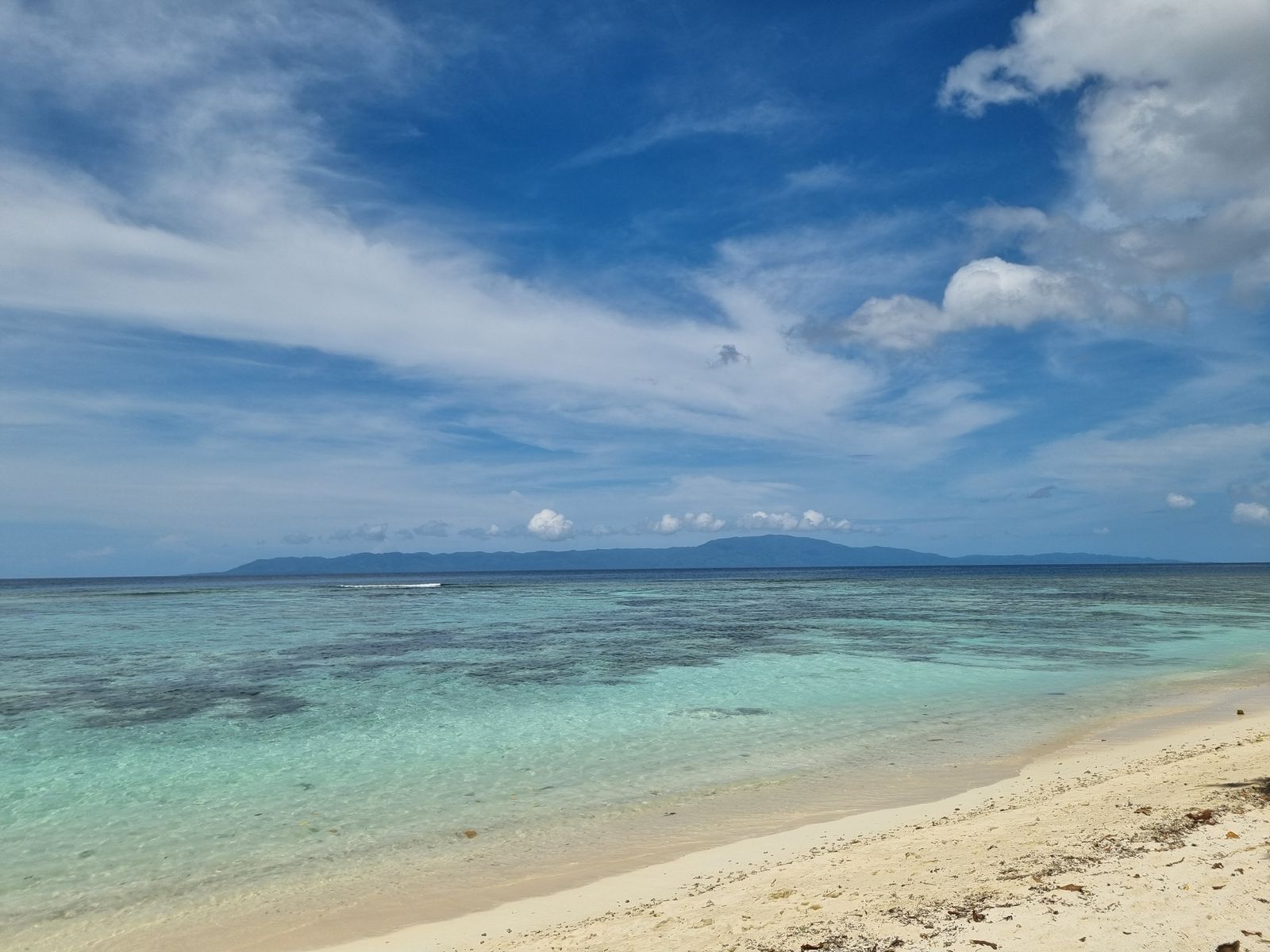
The Solomon Islands is a Melanesian archipelago of 900+ islands stretching across the Coral Sea between Papua New Guinea and Vanuatu — one of the Pacific’s most dramatic WWII battlegrounds and one of its finest dive destinations. The Iron Bottom Sound near Guadalcanal holds one of the world’s densest concentrations of WWII shipwrecks — planes, destroyers and transport vessels from both the American and Japanese fleets, lying in water shallow enough to be diveable. Above the water, the Solomons offer intact rainforest, traditional skull shrines, lagoon fishing villages and a cultural complexity of 70+ distinct languages and traditions that rewards genuine engagement.
The sea between Guadalcanal and Florida Islands was the site of seven major naval battles in 1942–43 — over 50 ships and aircraft lie in 30–300 metres of water, many diveable. The American destroyer USS John Penn, Japanese transport Kinugawa Maru and numerous aircraft form an underwater museum of wartime history. Honiara has good dive operators for wreck diving.
Described as the world’s largest double-barrier lagoon and inscribed on the UNESCO Tentative List, Marovo in Western Province is a maze of islands, channels and coral garden snorkelling. The lagoon’s woodcarving tradition produces some of the finest traditional art in the Pacific, created from ebony and hardwood by craftsmen in village workshops accessible by boat.
Throughout the Western and Malaita provinces, traditional skull shrines — ceremonial resting places for the skulls of ancestors and defeated enemies — remain active cultural sites. Village visits arranged through local operators offer insight into a Melanesian culture of great continuity and spiritual depth.
Solomon Islands (Wikipedia) →The starchy root crop that has fed the Solomon Islands for thousands of years — boiled, roasted, ground into flour or fermented. Over 100 local varieties exist; some communities consider taro sacred and eat it at all ceremonial occasions.
The orange-fleshed sweet potato brought from South America by Polynesian navigators — roasted in an underground umu oven, eaten for breakfast and as the starchy base of most meals in the western islands.
are the staple carbohydrates. Fresh fish — tuna, wahoo, coral trout — grilled or baked in coconut milk and banana leaves is outstanding.
canarium almonds — a uniquely Pacific nut of excellent flavour) are the local snack.
and fresh tropical fruit juices are the drinks.
The pale lager from the Solomon Islands Brewing Company — drunk cold in Honiara’s bars after work and at weekend events. The dominant beer brand across Guadalcanal and the main islands.
Honiara Hend erson International (HIR) is the main gateway. Solomon Airlines and Fiji Airways connect via Brisbane, Nadi and Port Moresby. For trip planning, see the official Solomon Islands tourism portal.
Brisbane (3h30) is the most direct Australian gateway; Fiji (2h) is the most convenient Pacific hub connection.
Singapore and Tokyo connect via Brisbane or Fiji. There are no direct routes from Asia; Australia or Fiji is always the transit point.
Solomon Airlines domestic network covers all major islands. Book ahead — capacity is very limited and routes can change seasonally.
Liveaboard dive boats are the most efficient way to see the Solomons — they eliminate the logistical complexity of domestic flights and inter-island boats while covering far more ground.
May to October is best — the southeast trade winds dry things out, the visibility in the dive sites exceptional (30m+), the WWII wrecks accessible. July and August are the coolest (24–27°C). November to April is the wet season — warm and humid with tropical downpours, though diving is still excellent.
📅 Solomon Islands is in its best season in April, May, June, July, August, September, October, November. See where else is good to go in those months, or browse where to go by month.
The Solomon Islands use the Solomon Islands Dollar (SBD). The limited tourism infrastructure keeps costs moderate; the main expense is domestic flights and liveaboard boats.
Betel nut (buai — the areca nut chewed with lime and mustard leaf across Melanesia as a mild stimulant, producing a red saliva and a warm social buzz) is the universal social lubricant of the Solomon Islands, chewed by the majority.
The Uepi Island Resort (Marovo Lagoon, the finest dive resort in the Solomon Islands, with the Uepi reef directly in front of the resort)
The liveaboard dive circuit (7 days, Honiara wrecks to Marovo Lagoon to Munda, covers 20+ of the finest WWII and coral dive sites in the Pacific) is the definitive Solomons experience for dedicated divers.
Honiara for two days, Florida Islands for one, Munda for one, Marovo Lagoon for two. The Solomon Islands — 900+ islands in Melanesia — have the finest WWII wreck diving in the world and the most intact traditional Pacific culture.
Honiara — the capital of the Solomon Islands on the north coast of Guadalcanal — with the National Museum (covering the cultural diversity of the 900-island archipelago: shark-worship traditions of the Lau Lagoon, the shell money system of the Langalanga Lagoon, the haunted skull islands of New Georgia) and the Guadalcanal American War Memorial (the Pacific’s most important WWII memorial site).
The Battle of Guadalcanal (August 1942–February 1943) was the first major US offensive of the Pacific War and one of the most fiercely contested campaigns in military history. The 6-month land, sea and air battle for the island cost the US 7,100 casualties and Japan approximately 38,000. The waters around Guadalcanal are called Ironbottom Sound — the nickname for the seabed where at least 50 ships were sunk in single engagements.
Scuba diving in Ironbottom Sound (the waters between Guadalcanal, Savo and Florida Islands contain the highest concentration of accessible WWII shipwrecks in the world — USS Atlanta, HMAS Canberra, Furutaka and dozens more, lying at 20–50m, covered in coral and populated by enormous schools of fish 80 years after sinking) and the Bonegi Beach wrecks (two Japanese transports accessible from shore).
The Bonegi wrecks (two Japanese supply ships from 1942, sunk by US aircraft while beached, accessible from the shore at Bonegi Beach, 15 min from Honiara) lie at 5–30m depth and are considered some of the most accessible and intact WWII wrecks in the world. The 80 years of coral growth has transformed them into artificial reefs of great biodiversity.
2h boat from Honiara. The Florida Islands — with the skull shrines of Moli (stone platforms where the skulls of notable ancestors and defeated enemies are displayed and maintained, the most striking expression of the indigenous Solomon Islands ancestor-veneration tradition, maintained by the community as a living cultural practice, not a tourist attraction) and the dugout canoe communities of Tulagi (the former colonial capital).
The skull shrines of the Solomon Islands are genuine living cultural heritage — the skulls are those of ancestors (and sometimes of enemies killed in warfare) believed to retain spiritual power after death. The shrines are maintained with offerings and are consulted before important decisions. The practice is distinct from the historical headhunting tradition (which ended in the late 19th century under colonial pressure).
1h flight from Honiara. Munda (New Georgia Island) — the best dive base in the Solomon Islands, with the Munda Lagoon wrecks (Japanese Betty bombers and Zero fighters at 15–40m, perfectly preserved in the sediment) and the Baeroko Bay (a large natural bay with enormous coral bommies rising from 30m to within 2m of the surface, the finest coral diving in the Solomons).
Rendova Harbour, Munda and the New Georgia Sound (known to WWII veterans as the Slot) were the sites of some of the most intense naval fighting of the Pacific War — the naval battles of Kula Gulf (July 1943) and Kolombangara (July 1943) resulted in the sinking of dozens of destroyers. Many lie in 50–200m of water; some are accessible to technical divers.
1h boat from Munda. Marovo Lagoon (UNESCO Biosphere Reserve — the world’s largest saltwater lagoon, 700km², enclosed by two parallel barrier islands with villages built on stilts above the water, traditional dugout canoe transport, and the finest woodcarving tradition in Melanesia) — the night dive at Uepi Island for flashlight fish and the shark feed at 4pm daily.
Marovo Lagoon woodcarving (the most celebrated handicraft in the Solomon Islands — intricate low-relief carvings of sharks, dolphins, crocodiles and traditional canoe scenes carved in ebony, rosewood and kwila, produced by Seventh-Day Adventist communities in the lagoon villages) is sold throughout the Pacific and is collected internationally as fine art.
A full day in the Marovo Lagoon — a village stay with the woodcarving communities (watching the carvers at work, discussing the symbolism of each design with a guide, buying directly from the carver) and an afternoon dive on the coral bommies outside the lagoon barrier reef (visibility 30m+, with hammerhead sharks on the outer slope in July–September).
The Seventh-Day Adventist Church has a presence in the Marovo Lagoon — approximately 70% of the lagoon population are SDA, and Saturday is observed so strictly that no boats operate in many villages. This makes the lagoon quieter on Saturdays and creates a rhythm of activity quite different from other Pacific destinations.
Return to Honiara. The Honiara Central Market (the finest introduction to Solomon Islands food: taro, yam, leaf vegetables, fresh fish, betel nut, and the distinctive red-and-black Solomon Islands dollar notes) and a demonstration of kastom music (pan pipes of the ‘ Are’Are people, the most refined instrumental music tradition in Melanesia, with sets of 10+ reed pipes producing complex polyphonic arrangements). Fly from Honiara (HIR).
The panpipe tradition of the ‘ Are’Are people (south Malaita, Solomon Islands) is among the most sophisticated indigenous music traditions in Melanesia — sets of 8–22 tubes of different lengths produce complex interlocking melodies that require 4–8 players coordinating simultaneously. The tradition was inscribed on the UNESCO Intangible Cultural Heritage list in 2011.
Visa on arrival for most nationalities (free or small fee). Entry requirements straightforward.
Connections via Brisbane (Solomon Airlines, Qantas) and Port Moresby. Inter-island travel is by small plane or boat.
The main island Guadalcanal has paved roads near Honiara; elsewhere, travel is by boat or chartered light aircraft. Infrastructure is basic throughout.
The Battle of Guadalcanal (1942-43) was one of the most significant WWII Pacific campaigns. Rusting WWII wreckage (Iron Bottom Sound, Vilu War Museum) and Henderson Field are accessible from Honiara.
Domestic flights connect main islands (Solomon Airlines); boat travel between islands can be slow and weather-dependent.
Malaria is endemic across the islands — prophylaxis essential and take all precautions.
Quick answers to the questions people most often ask before visiting Solomon Islands.
May to October is best — the southeast trade winds dry things out, the visibility in the dive sites exceptional (30m+), the WWII wrecks accessible. July and August are the coolest (24–27°C).
Honiara Hend erson International (HIR) is the main gateway. Solomon Airlines and Fiji Airways connect via Brisbane, Nadi and Port Moresby.
Expect roughly SBD 350–650 a day on a budget and SBD 1,500–3,000 mid-range, or SBD 6,000+ for a more luxurious trip, per person and excluding flights.
Solomon Islands uses the Solomon Islands Dollar (SBD).
Plug types: Type G / I (230V).
Point your camera at menus, signs or street text for instant translation. Download the language pack offline before you arrive for full use without data.
FreeReal-time and offline exchange rates for all world currencies — converts prices instantly so you always know what you are paying in your home currency.
FreeFind and book hotels, guesthouses and apartments with free cancellation on most rates — one of the widest selections of accommodation worldwide.
FreeBrowse millions of traveller reviews for restaurants, attractions and hotels — helps identify the best local spots and avoid tourist traps.
FreeSolomon Islands sits within easy reach of several other destinations — each with a completely different character.

